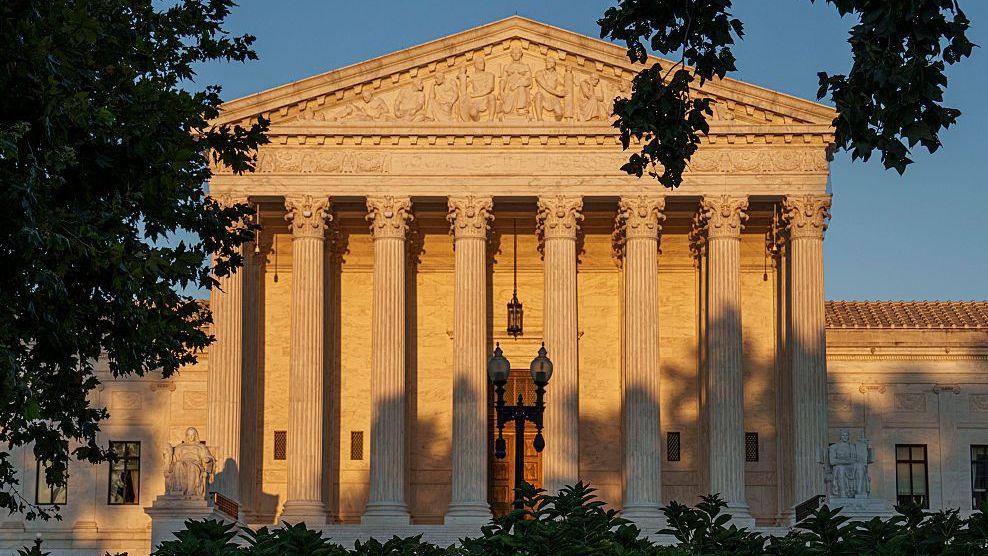
The Supreme Court of the United States is currently reviewing challenges to state laws that restrict transgender girls and women from competing on school athletic teams aligned with their gender identity. This landmark case underscores the ongoing cultural and legal battle surrounding transgender rights. The justices' decisions could set a precedent that impacts similar laws across multiple states.
Lower court rulings previously favored the rights of transgender athletes in Idaho and West Virginia, but the conservative-leaning Supreme Court may take a different stance. This situation arises in the context of a broader agenda, notably actions taken by previous administrations to limit the rights of transgender individuals.
The arguments presented reflect a tension between ensuring fair competition for women in sports and affirming the rights of transgender individuals under anti-discrimination laws. Supporters of the bans argue that they are necessary to protect the integrity of women's sports, while opponents claim such bans are fundamentally discriminatory.
Noteworthy figures from the sports community, including former champions and current athletes, have publicly taken stances on this issue, with views sharply divided. As the Court approaches a decision expected by early summer, the outcome will be pivotal in shaping the future landscape of sports for transgender individuals and will likely invoke further national dialogue on gender identity and inclusivity in athletics.
Public sentiment reflects a majority leaning toward supporting these bans, per recent polling. The discussion now turns to the implications of the Supreme Court's ruling, which may reverberate beyond sports into how transgender individuals are treated in broader societal contexts.
Lower court rulings previously favored the rights of transgender athletes in Idaho and West Virginia, but the conservative-leaning Supreme Court may take a different stance. This situation arises in the context of a broader agenda, notably actions taken by previous administrations to limit the rights of transgender individuals.
The arguments presented reflect a tension between ensuring fair competition for women in sports and affirming the rights of transgender individuals under anti-discrimination laws. Supporters of the bans argue that they are necessary to protect the integrity of women's sports, while opponents claim such bans are fundamentally discriminatory.
Noteworthy figures from the sports community, including former champions and current athletes, have publicly taken stances on this issue, with views sharply divided. As the Court approaches a decision expected by early summer, the outcome will be pivotal in shaping the future landscape of sports for transgender individuals and will likely invoke further national dialogue on gender identity and inclusivity in athletics.
Public sentiment reflects a majority leaning toward supporting these bans, per recent polling. The discussion now turns to the implications of the Supreme Court's ruling, which may reverberate beyond sports into how transgender individuals are treated in broader societal contexts.