In brief
During the Supreme Court hearing on Monday, justices expressed skepticism towards laws allowing the counting of late-arriving mail ballots, a matter tied to former President Trump’s claims of electoral fraud. The case from Mississippi could affect voters in multiple states, with a ruling expected by late June that may impact the upcoming midterm elections. The court's liberal justices indicated support for maintaining current laws. Critics warn changing deadlines could cause confusion and disenfranchise voters.
▶ Follow live updates on the Supreme Court arguments over late-arriving ballots
WASHINGTON (AP) — The U.S. Supreme Court's conservative majority appears skeptical of state laws permitting the counting of late-arriving mail ballots, a consistent target of former President Donald Trump’s claims regarding electoral fraud.
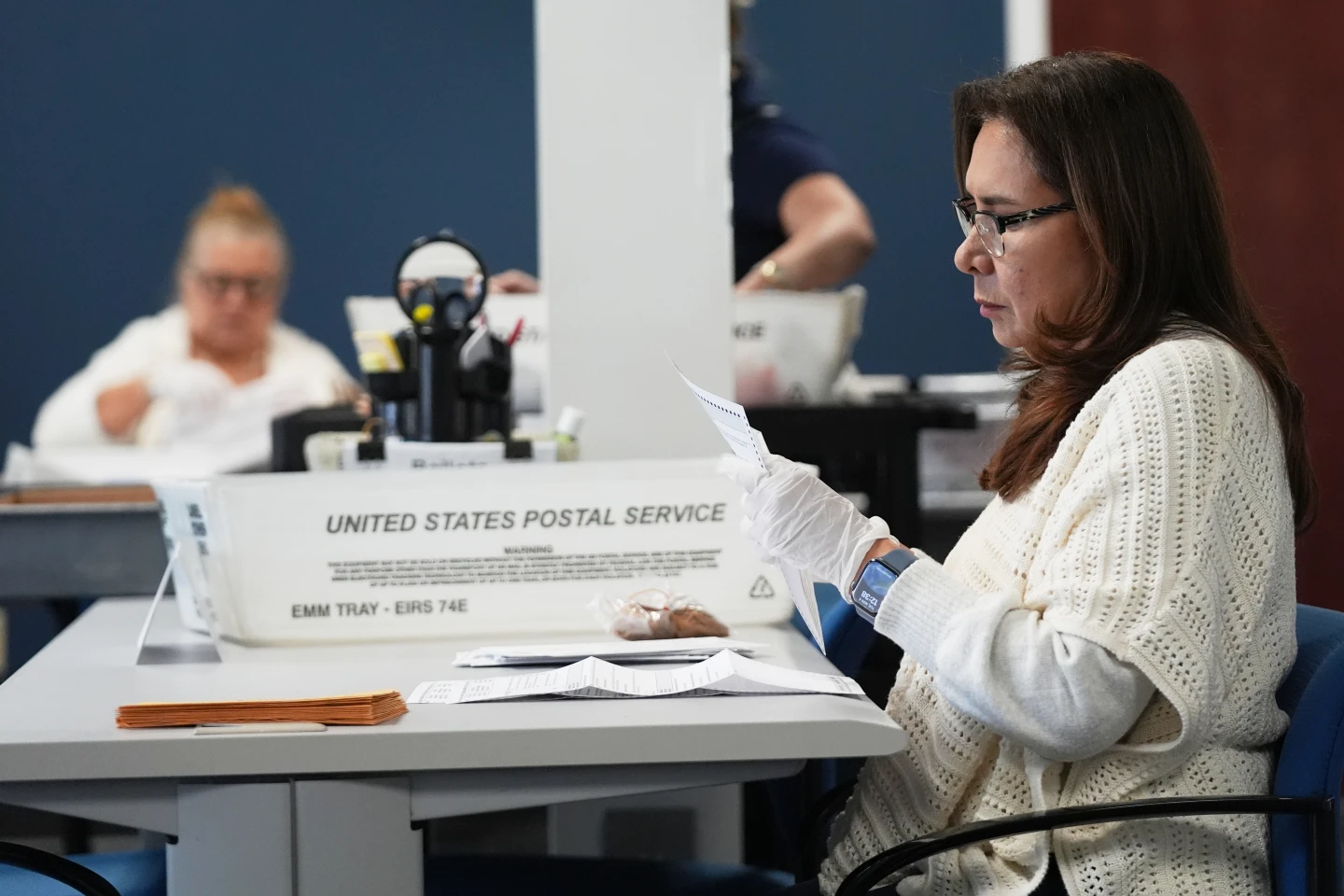
Arguments began Monday concerning a case from Mississippi, which could have ramifications for voters in 13 other states and the District of Columbia with similar grace periods for mail-in ballots. Additionally, 15 states with relaxed deadlines for military ballots may also be affected by the court’s decision.
A ruling is projected by late June, potentially shaping the counting process for ballots in the 2026 midterm congressional elections.
The ongoing court challenge reflects Trump's broader opposition to mail balloting, which he has repeatedly described as susceptible to fraud despite extensive evidence disproving these claims.
Justice Samuel Alito voiced concerns about the potential for electoral fraud in instances where a significant number of ballots arriving late could decisively influence an election.
In defense of Mississippi's law, Solicitor General Scott Stewart highlighted that the Trump administration has not produced any evidence of fraud related to late-arriving ballots.
The court's liberal justices, however, suggested they would uphold laws with deadlines extending past Election Day.
Justice Sonia Sotomayor remarked that the question should be settled by Congress, not the courts, cautioning against the risk of confusion and disenfranchisement ahead of an election.
States such as California, Texas, New York, and Illinois maintain post-Election Day deadlines for ballot counting, with varying policies across the country further complicating the matter.
Lawyers for Republican and Libertarian parties, along with Trump’s administration, are advocating for the Supreme Court to exercise its power to affirm an appellate court's ruling that invalidated Mississippi's law, which allows ballots to be counted if received within five business days post-election, provided they've been postmarked appropriately.
As legal battles surrounding voter eligibility and mail-in ballots continue, the implications of the Supreme Court’s decision will resonate beyond Mississippi, impacting voters nationwide.