In brief
In a pivotal case before the U.S. Supreme Court, justices are weighing the legality of counting mail ballots that arrive after Election Day. With potential impacts on November's elections, officials from Nevada and other states are concerned about sudden changes in election rules. Secretary of State Cisco Aguilar highlights the difficulties in informing voters amidst shifting regulations, emphasizing the need for early planning and education.
As he exited the U.S. Supreme Court, Nevada Secretary of State Cisco Aguilar sent a text from over 3,000 miles away, warning his staff to prepare for potential disruptions in the upcoming midterm elections due to the Court's deliberations on mail ballot rules. On Monday, justices heard arguments regarding whether states can count mail ballots that arrive after Election Day, a decision expected by June that could significantly alter the election landscape.
In an effort to prepare for these changes, Aguilar stressed the importance of informing voters about the election process, mentioning, That doesn’t happen overnight. The election planning happens long before. His remarks reflect the broader anxiety among election officials across the country, particularly in Nevada and 13 other states that allow grace periods for mail ballots postmarked by Election Day.
The discussions in the Supreme Court raised the specter of potential disruptions, with conservative justices appearing skeptical of the arguments for such grace periods. This controversy is not just political theatrics; it holds real stakes for voters, especially given the complexities of how mail ballots have been treated historically.
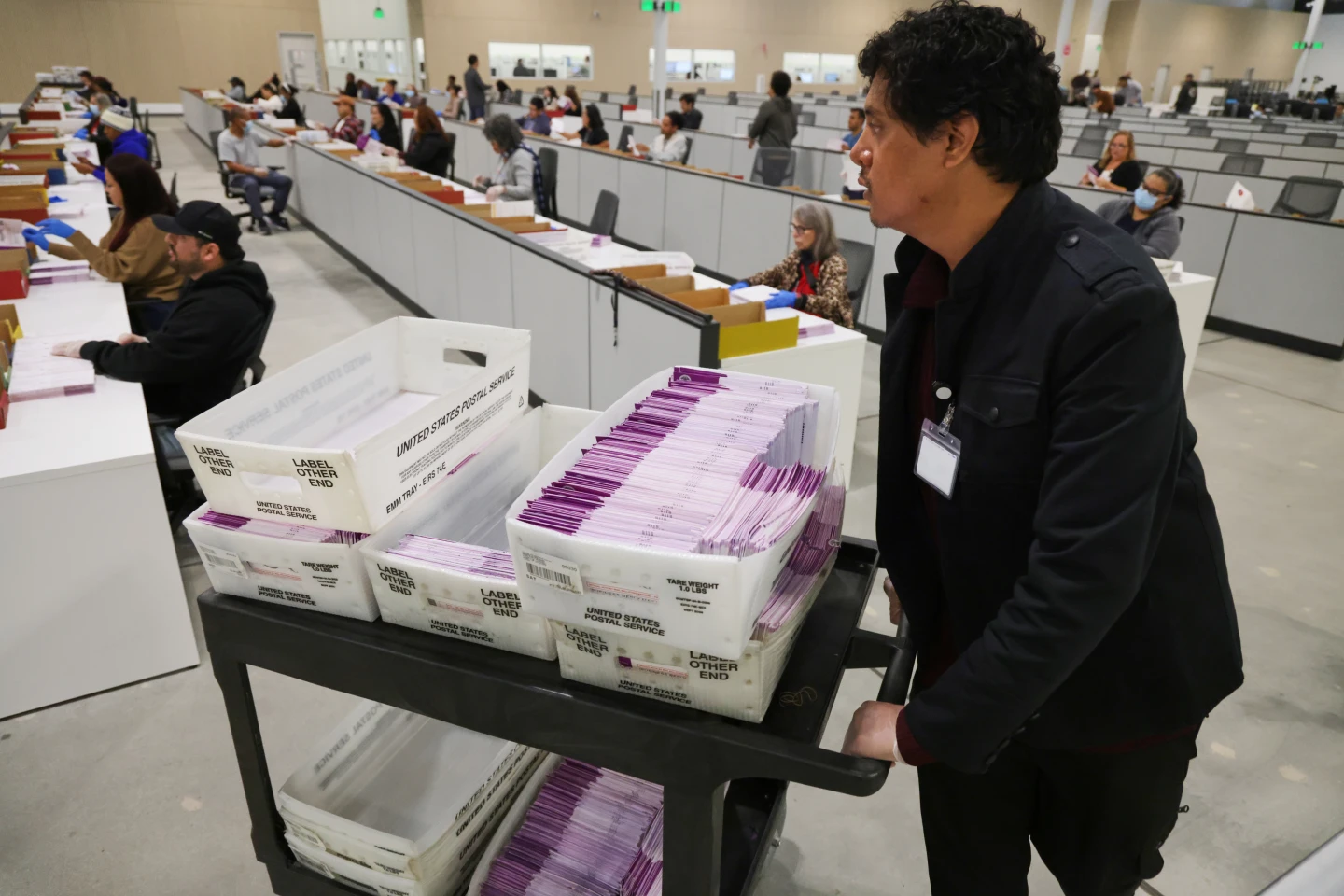
Mail ballots, also referred to as absentee ballots, have become points of contention, often discussed in the context of conspiracy theories. Former President Donald Trump has notably attributed his 2020 election loss to issues with these ballots, which has spurred legal actions from the Republican National Committee aiming to alter election laws in states like Mississippi. As the Court considers these legal challenges, election officials express mounting concerns about the timing of any rule changes and their potential ramifications.
Former Arizona election official Tammy Patrick noted, election offices often operate on budgets that do not accommodate sudden changes, emphasizing that most have already finalized educational materials such as flyers and ballot envelopes for the upcoming election. If new deadlines are imposed, officials may find themselves in a position where they must rapidly adjust, causing confusion among voters.
Amid the complexities of mail ballot processing, where the vast majority of ballots are typically submitted before Election Day, states like Alaska face unique challenges due to their geographical scale. As communities rely on the grace periods to ensure ballots are counted, activists like Michelle Sparck of the group Get Out the Native Vote warn of the drastic consequences such changes could levy on rural and isolated voters.
As this case unfolds, it underscores a crucial intersection between the judicial system and electoral integrity, with election officials scrambling to ensure that democracy is preserved amid changing rules.