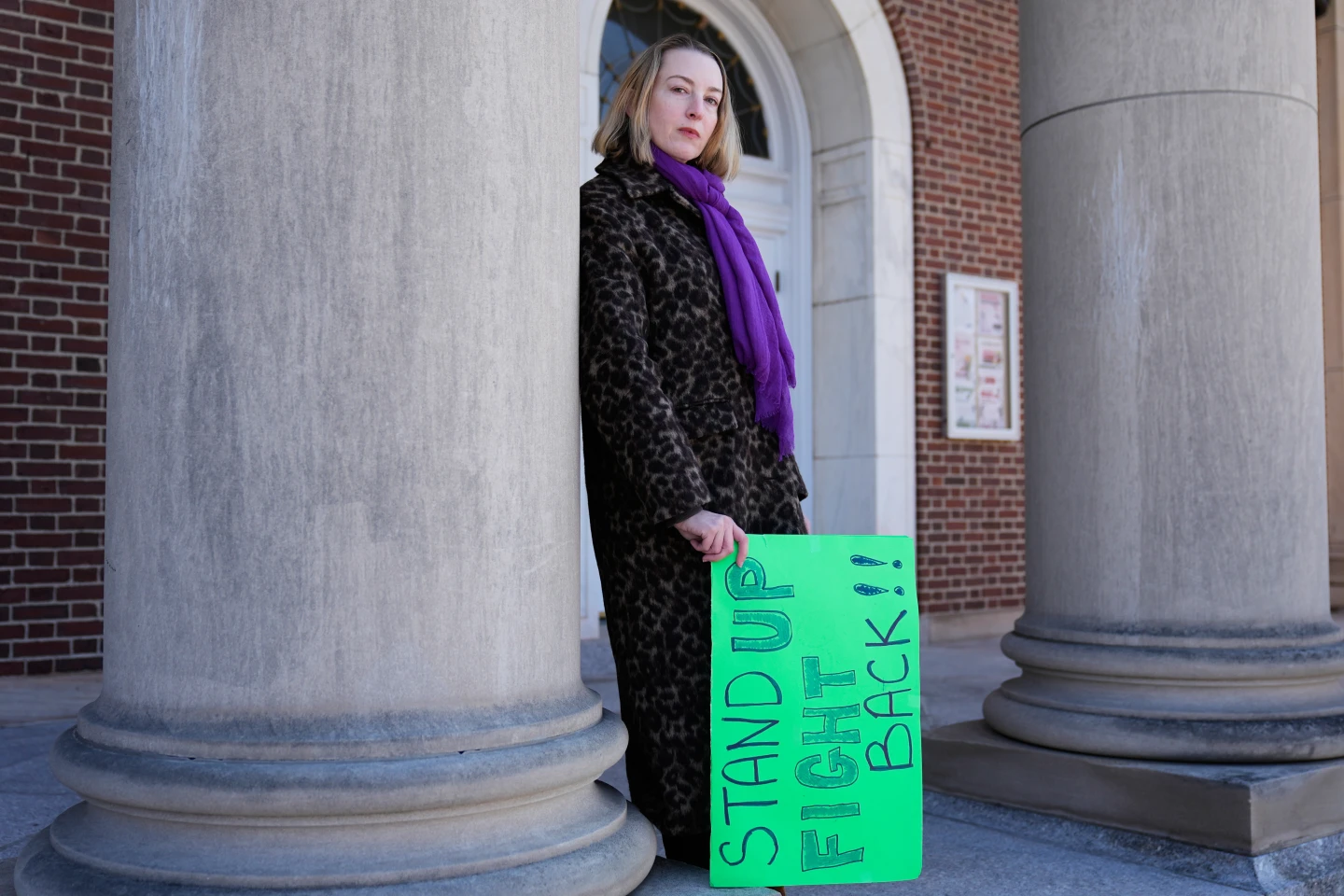
MONTCLAIR, N.J. (AP) — A few years ago, Allison Posner was barely involved in politics. Now the 42-year-old mother of two from Maplewood, New Jersey, hands out food and diapers to immigrant families outside a nearby detention facility. She waves signs on a highway overpass between school pickups and orthodontist appointments. This weekend, she’ll lead a No Kings protest march across her affluent town alongside her husband, children, and thousands of others who believe President Donald Trump poses a direct threat to American democracy.
“The people in the suburbs are definitely radicalizing,” said Posner, a freelance actor.
A growing faction of concerned citizens living in suburban communities across the United States — areas once known for political moderation or conservatism — are taking a stand in the anti-Trump resistance. The soccer moms are becoming activists, rallying in their neighborhoods to oppose Trump and his allies. This leftward shift could cost Republicans control of Congress during the final two years of the Trump presidency and could reshape the Democratic Party by bringing forward a new generation of aggressive candidates.
Indivisible, the activist organization leading the third round of No Kings protests, expects roughly two-thirds of the more than 3,000 planned demonstrations to happen outside urban areas, with over 9 million participants anticipated for the largest day of protests in U.S. history.
“We’re going to be everywhere,” stated Indivisible co-founder Ezra Levin. The southern New Jersey region, particularly noted for its pivotal congressional races, has seen enthusiastic sign-ups from locals eager to join the cause.
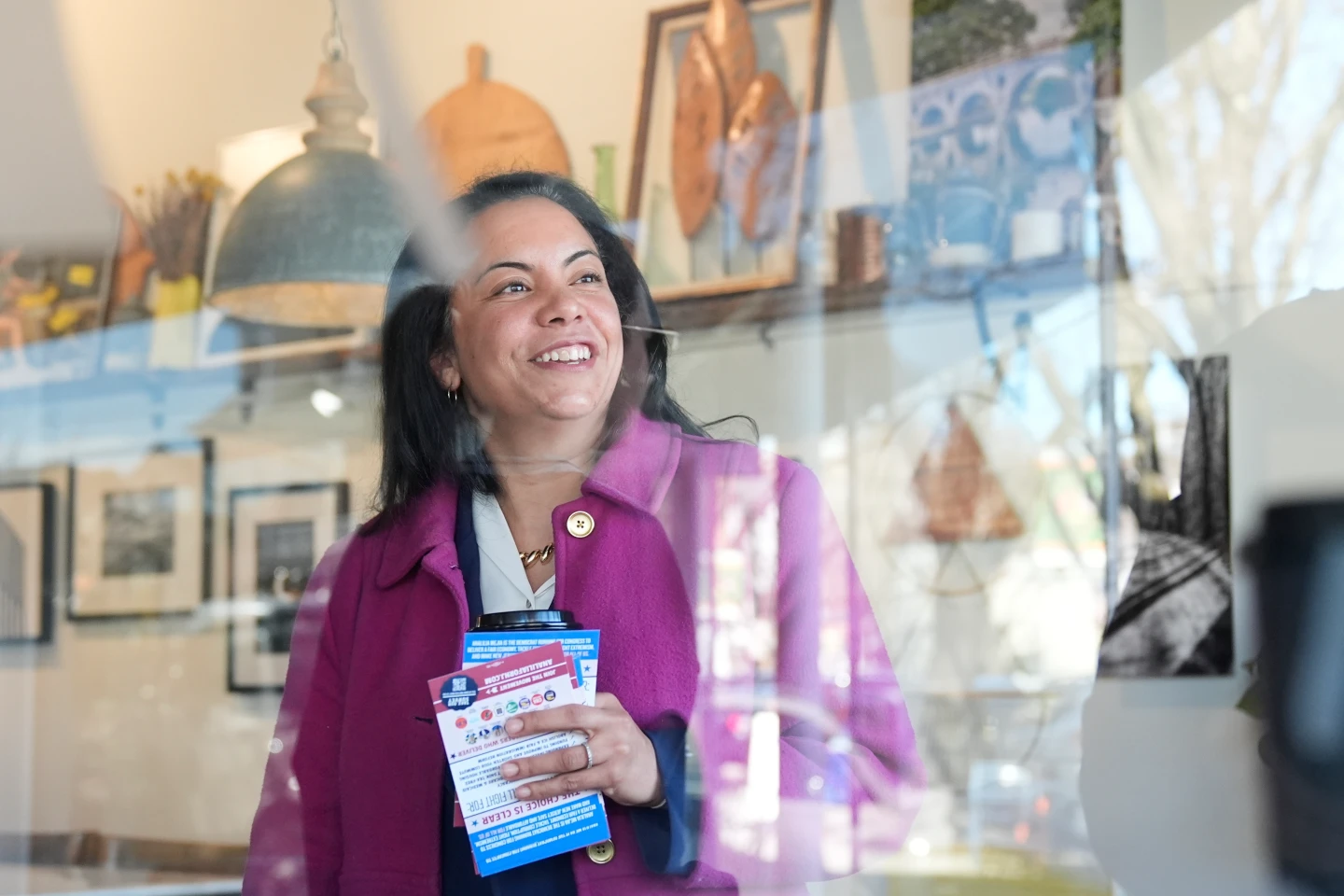
Democratic voters recently selected Analilia Mejia, a progressive activist and a former political director for Vermont Senator Bernie Sanders, as their candidate for the upcoming special election in New Jersey’s 11th District. Posner feels energized to support a leader who can channel the frustrations she observes in her community.
“I’m seeing people from the PTA or the neighborhood who would have never joined a protest before now asking how they can get involved,” Posner expressed. “This is not someone else’s fight. This is our fight.”
Historically, affluent suburbs like northern New Jersey leaned Republican, but the trend shifted dramatically during the Trump era, with many college-educated suburban voters moving toward the Democratic party, particularly evident in the 2018 midterms and subsequent elections.
Jeff Naiman, who leads a local chapter of Indivisible in Summit, New Jersey, voiced the urgent need for action, saying, “It’s like our hair is on fire. Our country’s being torn apart.” He confidently supports Mejia’s campaign, forecasting her victory in both the special election and the general election in November.
Mejia, a proponent of Medicare for All and an advocate for immigrant rights, has received national attention and support from figures like Alexandria Ocasio-Cortez, leading to accusations of radicalism from her Republican opponent Joe Hathaway. Hathaway acknowledges his support for key aspects of immigration reform but hesitates to align closely with Trump, revealing the complexities suburban Republicans face today.
The ideological battlefield of suburban America has become crucial in shaping political dynamics as public sentiment continues to evolve away from the Republican agenda. As suburban constituents engage and organize, the coming months could hold significant implications for both parties in upcoming elections.