In brief
Serbia’s parliamentary election has become a showdown between veteran President Aleksandar Vučić and a government‑challenging Student List built on university activism. Professor Ilija Srdanović tops a field of 250 non‑politics candidates, buoyed by a 150,000‑strong final rally. The movement roots its legitimacy in the 2024 Novi Sad stadium collapse that exposed systemic corruption. With Vučić framing the list as foreign‑backed, analysts warn of a razor‑thin vote that could reshape the country’s leadership and international alignments.
Serbia’s parliamentary election on Sunday has reshaped a political landscape that many thought was dominated by long‑term president Aleksandar Vučić. A movement born on university campuses now sits inches from top spot on the ballot, prompting a showdown that could signal the end of the SNS’s near‑two‑decade grip on power.
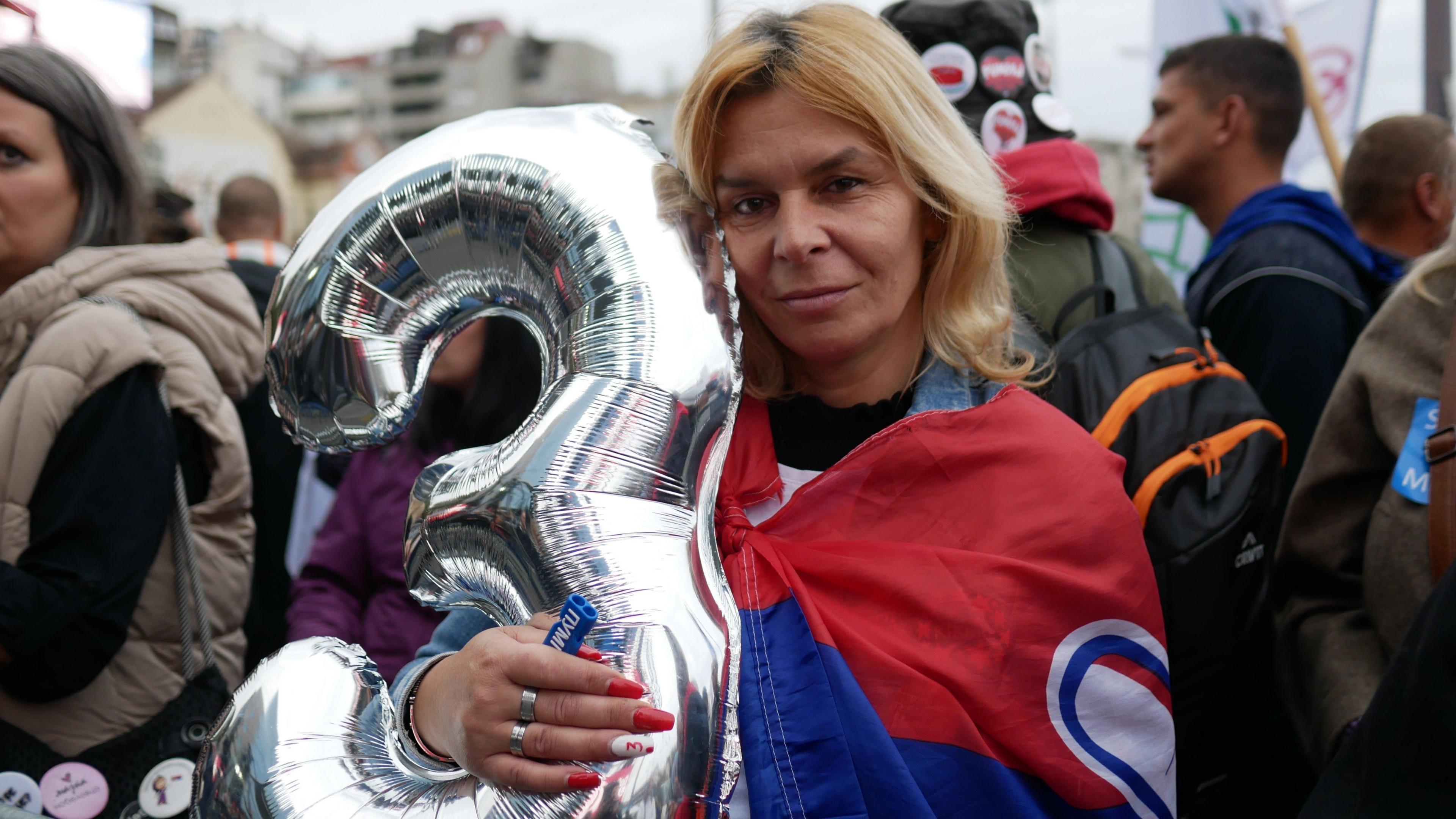
At the center of the Student List is professor Ilija Srdanović, who rode into the limelight on a motorbike in a fluorescent yellow jacket emblazoned with pro‑student slogans. He is not the movement’s only figurehead – 250 candidates without a traditional political background were selected by student assemblies across the country, and the list’s banner, a bright red number 3, has become a rallying emblem for youth demanding transparency and rule of law.
The list traces its roots to the violent collapse of a canopy at Novi Sad’s railway station in 2024 that killed 16 people. The tragedy exposed systemic corruption and infrastructure neglect, sparking widespread protests and a renewed demand for a new political voice that could hold the powerful to account.
The final rally on Belgrade’s Slavija Square drew an estimated 150,000 supporters, a figure that dwarfed the 45,000 who turned out for Vučić’s arena‑stage event in the north of the city. Meanwhile Vučić has framed the Student List as a foreign‑backed threat and warned of "sabotage" to Serbia’s strategic ties with Russia and China.
Both sides now face a long‑lasting legal battle as the country heads to the polls. Analysts note that early exit polls are sketchy, but the margin is likely to be razor‑thin, with every seat potentially shifting the balance of power.
For voters, the choice boils down to a single charismatic leader who has delivered economic growth and infrastructure projects, or a collective platform that promises transparency, accountability and a fresh start for Serbia’s young citizens.