Senior US reporter Michael Graczyk has stood before the execution gun 500 times over his career. Since retiring from the Associated Press in 2018, he has continued to freelance on Texas executions and, recently, witnessed what was probably Tennessee’s first lethal‐injection failure.
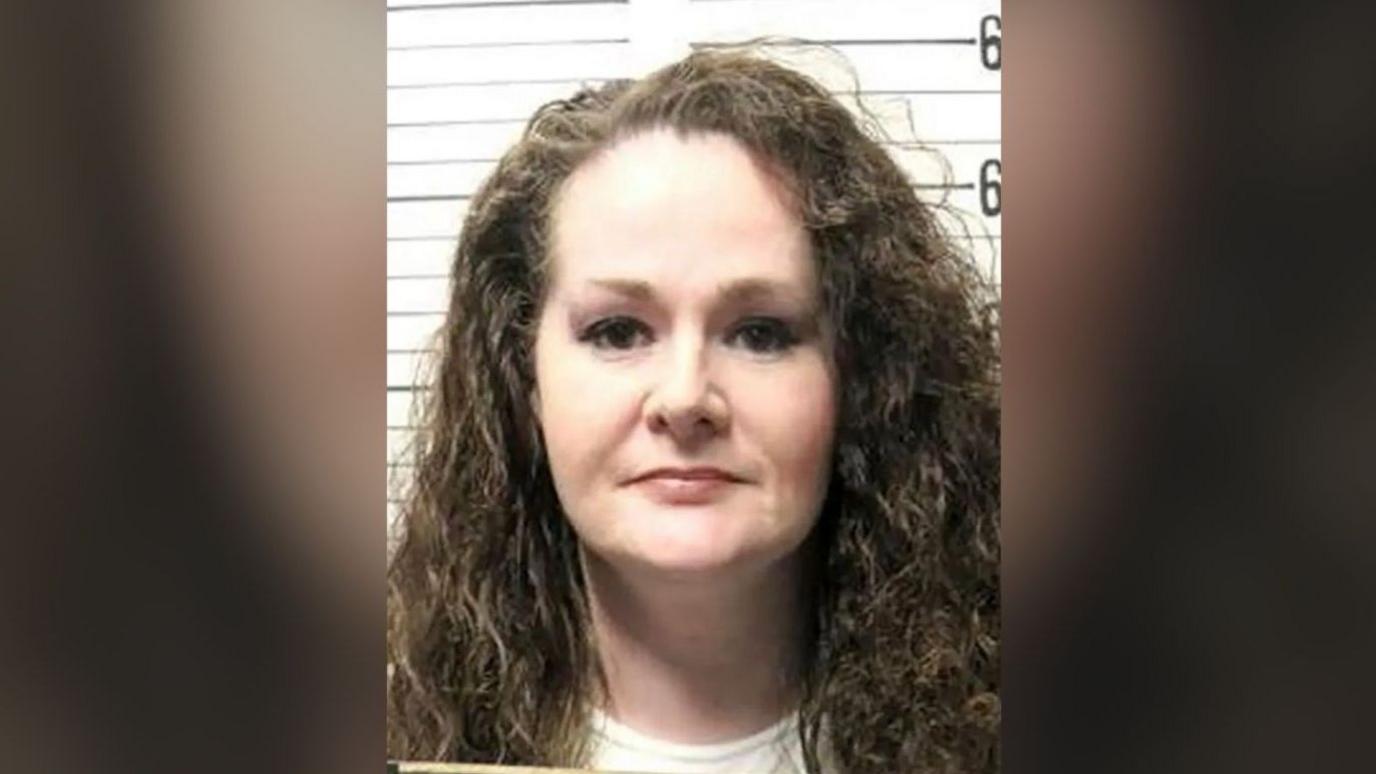
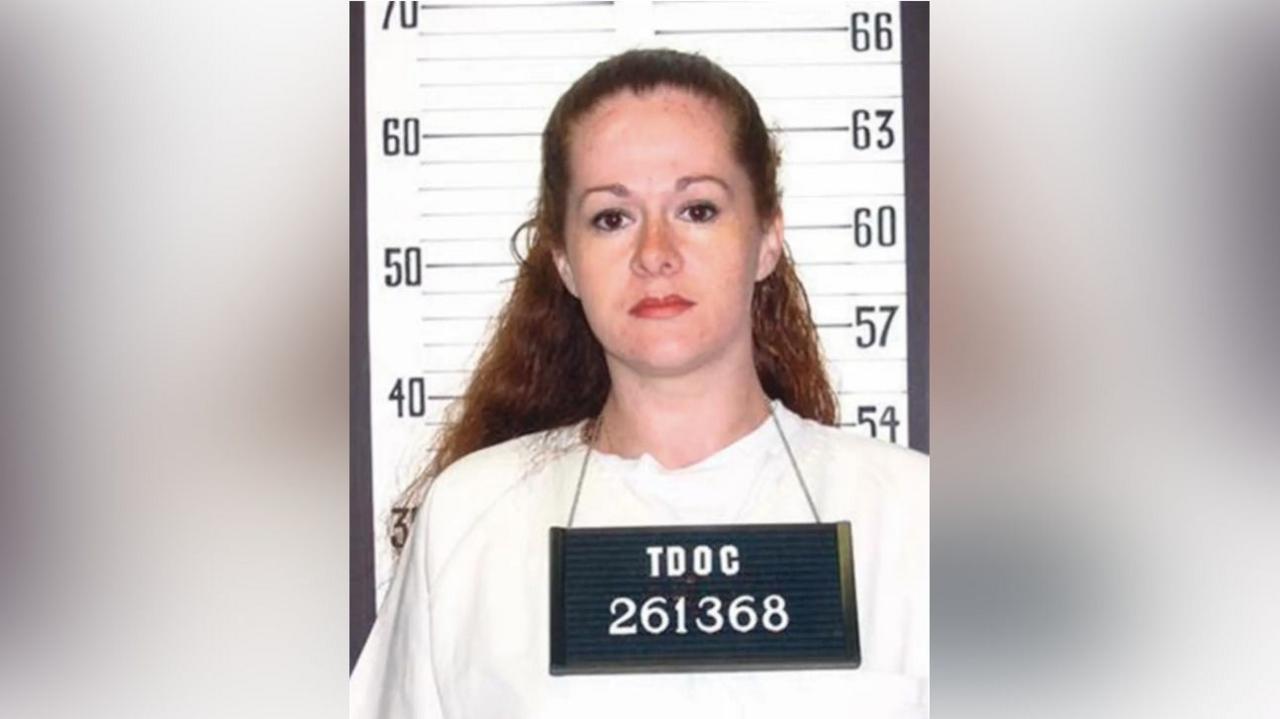
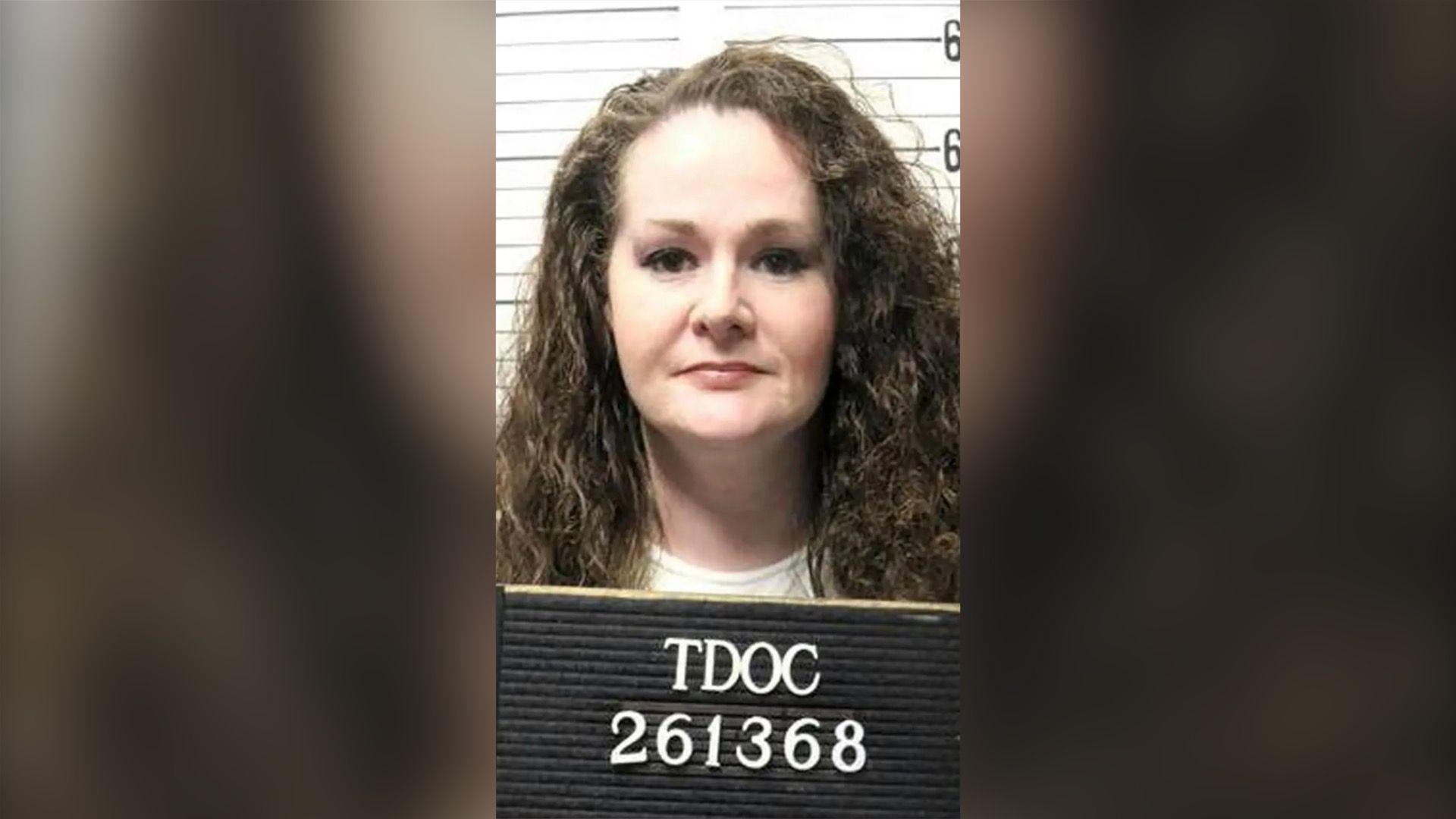
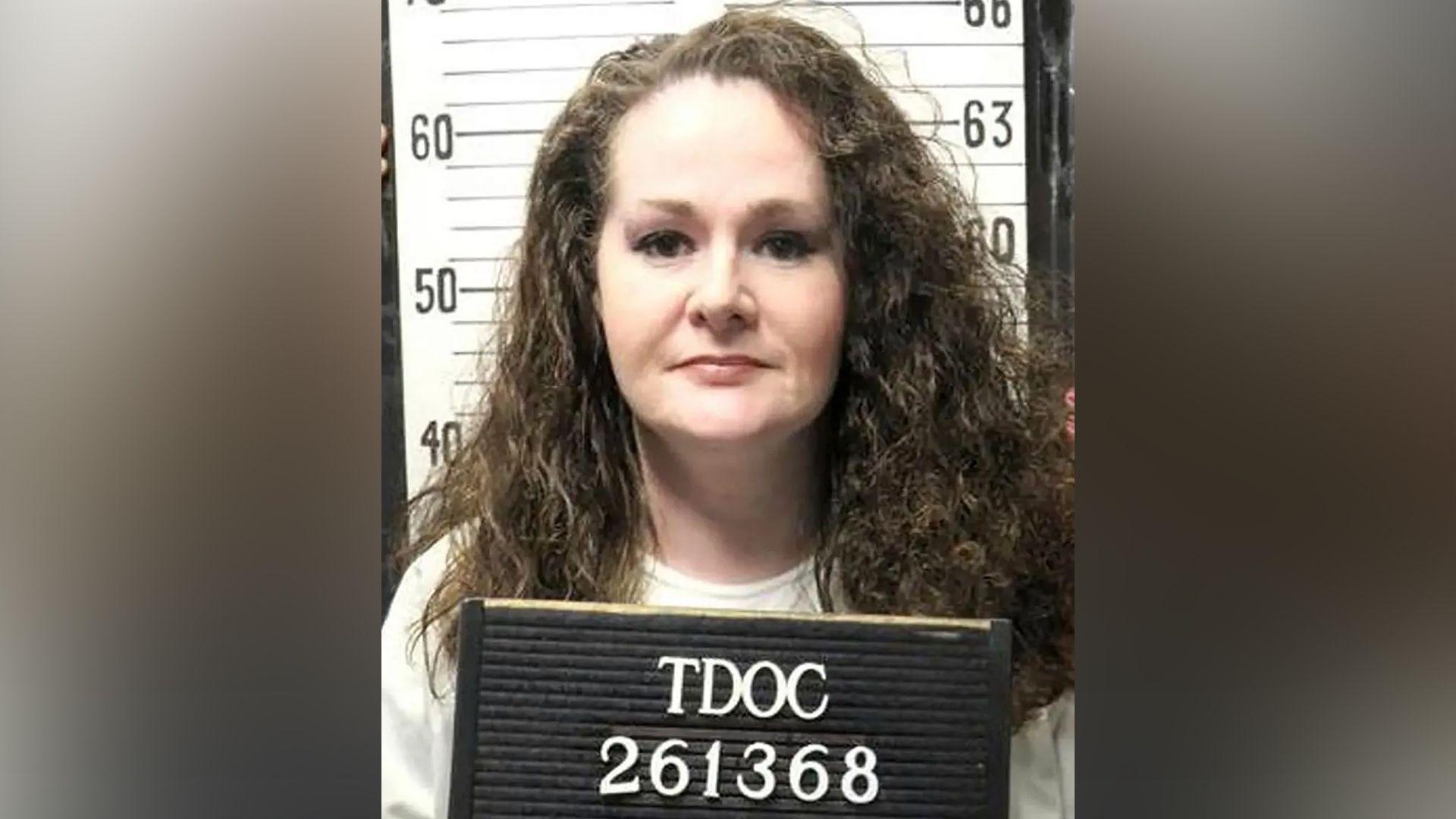
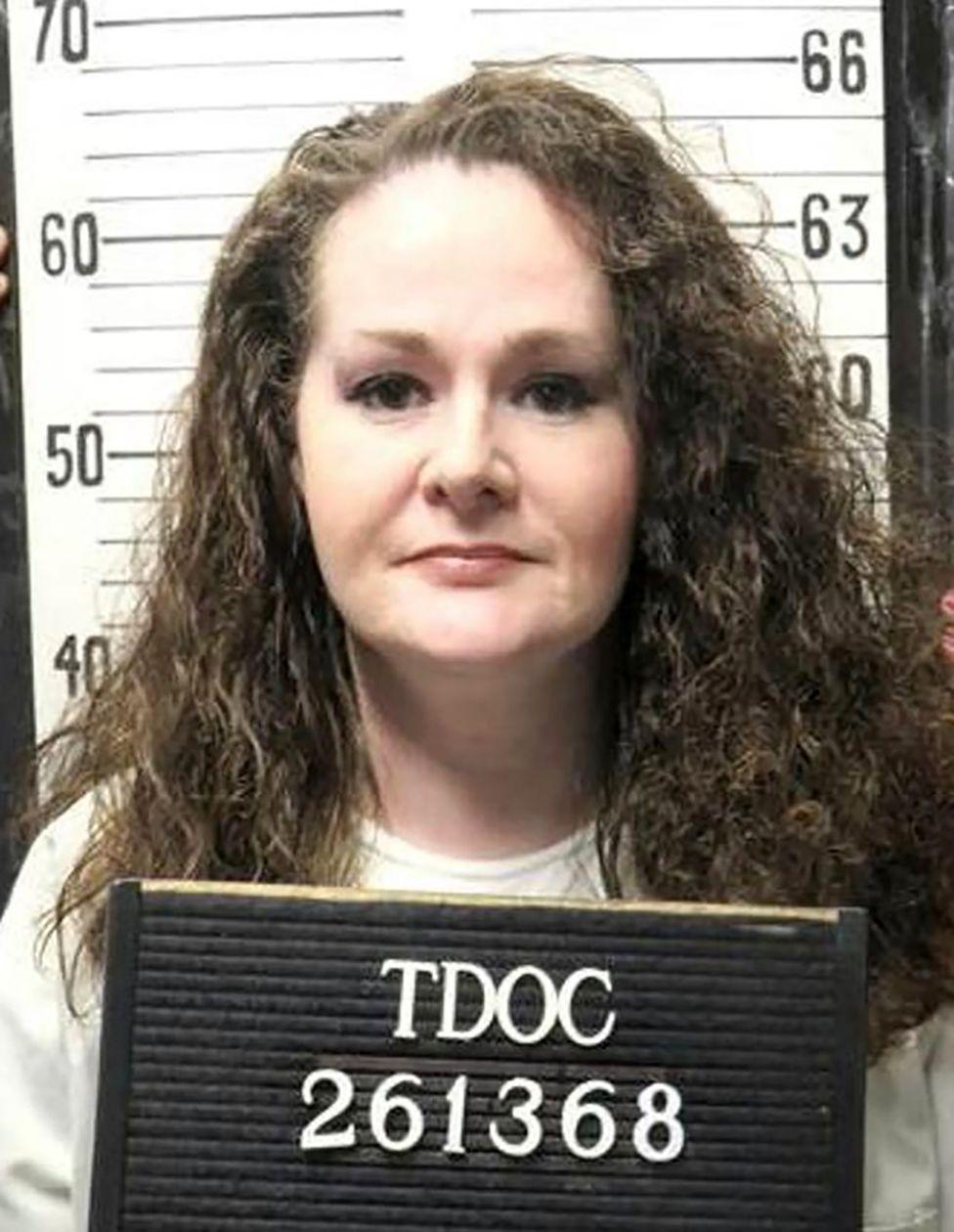
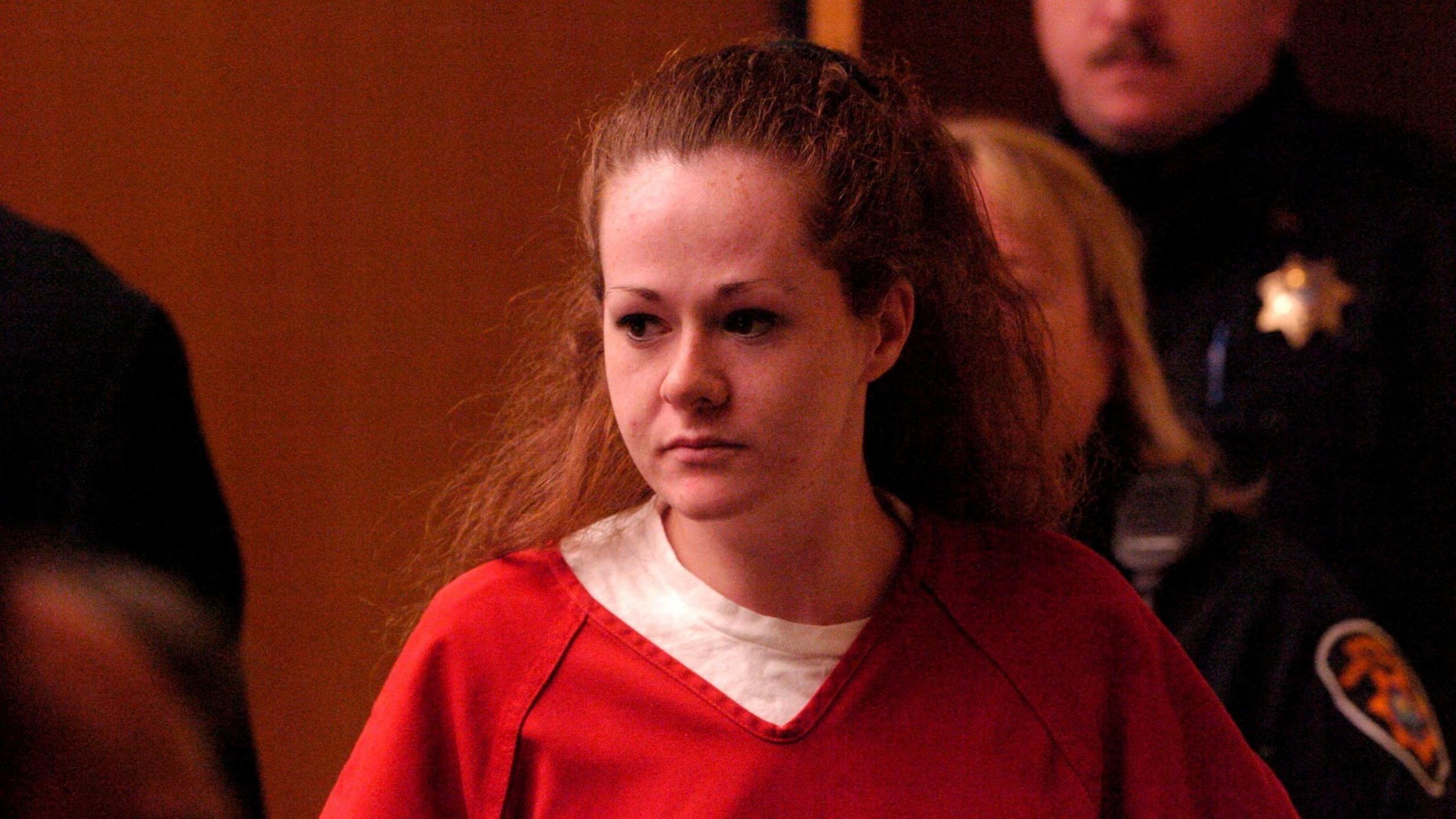
Christa Pike, a 50‑year‑old woman convicted of a 2007 murder, was left breathing and snoring after two separate doses of pentobarbital were administered. The protocol in Tennessee includes a backup dose if the first injection fails, but it does not specify what to do if the second dose also fails—leaving Pike alive and the state scrambling for answers.
In response, Governor Bill Lee halted all executions pending an independent review of the state’s lethal‑injection procedures. The halt comes amid a decade of botched executions across the United States, a problem that has prompted some states to explore alternatives such as execution by firing squad.
Graczyk, who has covered 602 Texas executions, said the death penalty still represents a profound moral dilemma. “There is no greater authority than the power to take a life,” he observed, underscoring the weight of the responsibility carried by those who witness these moments.

The case has shed light on the human cost of botched executions. Pike’s victim, 19‑year‑old Colleen Slemmer, was murdered in 2008. Her mother was present in the courtroom on Wednesday and described the chaos as “a mess.” Pike’s lawyer says she is now in “life‑saving care” after the failed attempt.
With Tennessee’s courts now in pause, every state’s lethal‑injection protocol is under scrutiny. As Graczyk’s testimony illustrates, the grim reality of death sentences still produces painful surprises and reignites the national debate over capital punishment.