In brief
With an impending ice storm threatening the southeastern U.S., utility companies are mobilizing resources to prepare for potentially extensive power outages. Experts warn that ice-laden trees and lines could create complications long after the storm passes. Following lessons from past winter storms, utilities emphasize the need for readiness and community support, particularly for vulnerable populations who could face the brunt of the outages.
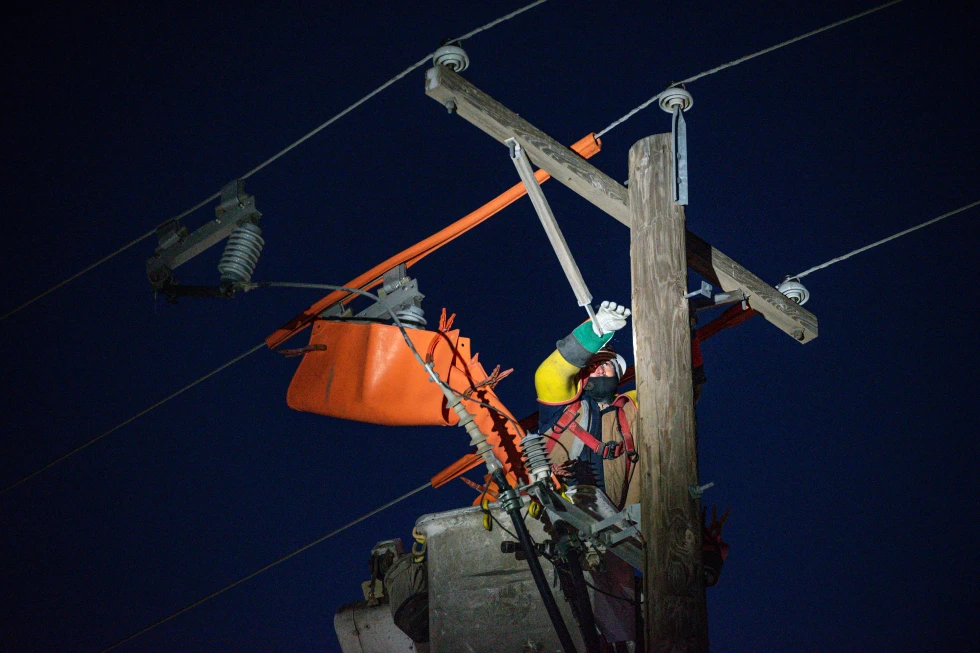
ATLANTA (AP) — This week, Newberry Electric Cooperative CEO Keith Avery begins his days by tuning into The Weather Channel. As he prepares for an ice storm projected to devastate power systems across South Carolina, he lines up crews and equipment to tackle outages. Having faced numerous outages in the past, including a widespread blackout after Hurricane Helene, Avery expresses heightened concern for the upcoming storm, emphasizing that the aftermath of an ice event can cause ongoing issues. Ice storms notoriously lead to hazardous conditions, with trees and power lines collapsing under the weight of ice, often creating complications for repair crews long after the storm has passed. “I hate ice storms,” says Avery. “They are worse than hurricanes.” In states such as Alabama, Georgia, and South Carolina, where electricity is the primary source for heating homes, losing power takes on dire implications, especially during extreme cold. Experts recall the severe impact of Winter Storm Uri in 2021, which devastated Texas and highlighted vulnerabilities in energy management. Utilities across the Southeast are now cautioning customers to prepare for outages, with thousands of workers on standby to restore services promptly. These preparations include a focus on weatherization efforts to withstand extreme conditions, informed significantly by past lessons on infrastructure weaknesses and community readiness. Despite these strategies, experts warn the financial strain of increased energy bills during the storm could further affect low-income households. Many Americans are already behind on their energy bills, and another cold snap could exacerbate this issue in the warmer Southern states. Residents are advised to remain vigilant as the storm unfolds, while power providers pledge to engage with communities for support and recovery.