In brief
A winter storm has left almost 300,000 homes and businesses without power across Tennessee and Mississippi, where officials are scrambling to provide assistance to those trapped by icy roads and fallen trees. The elderly and individuals with medical conditions are among the most affected, with reports of desperation for medication and oxygen as subzero temperatures are set to continue. Warming centers have been established, but they are insufficient for those in need.
JACKSON, Miss. (AP) — Dispatchers in Mississippi are overwhelmed with urgent requests for medication and oxygen from residents stuck at home due to severe weather. Meanwhile, law enforcement agencies in Tennessee are conducting welfare checks on those unheard from for days, and emergency crews are deploying trucks usually reserved for wildfires to transport patients to hospitals.
The power situation across the South is critical, with restoration efforts expected to take days, all while more dangerously low temperatures loom. The ongoing freezing conditions pose a particular threat to vulnerable populations such as the elderly and those suffering from chronic health issues, many of whom find themselves trapped due to icy roads and downed trees.
Many residents have begun to feel the weight of their circumstances. Nancy Dillon, aged 87, shared her experience of going three days without power, relying only on her fireplace for warmth. She expressed alarm as her phone battery began to deplete and she lost even her backup power source, highlighting the dire situation for those living alone. “If I were to fall, if I were to need somebody, there would be no way to get help,” she recounted.
The storm is described by officials as the state’s most severe winter event in over three decades, forcing the opening of approximately 60 warming centers across Mississippi, yet, many residents believe these facilities are insufficient to meet the needs of the population.
Mayor Hal Ferrell of Batesville stated that the entire city is without power and safety concerns over icy roads hinder initial recovery operations. He indicated that the warming centers available in his town are ill-equipped to serve their population of 7,500 effectively.
As of Wednesday night, about 298,000 homes and businesses remained without power, predominantly in Tennessee and Mississippi, with the death toll from the cold weather climbing above 70 across various affected states.
In areas of Hardin County, Tennessee, residents are complaining about the deprivation of essential services amid frigid conditions, posing an urgent call for assistance from officials. Emergency director LaRae Sliger highlighted the desperate absence of power, heat, and basic supplies such as propane and kerosene that residents normally rely upon.
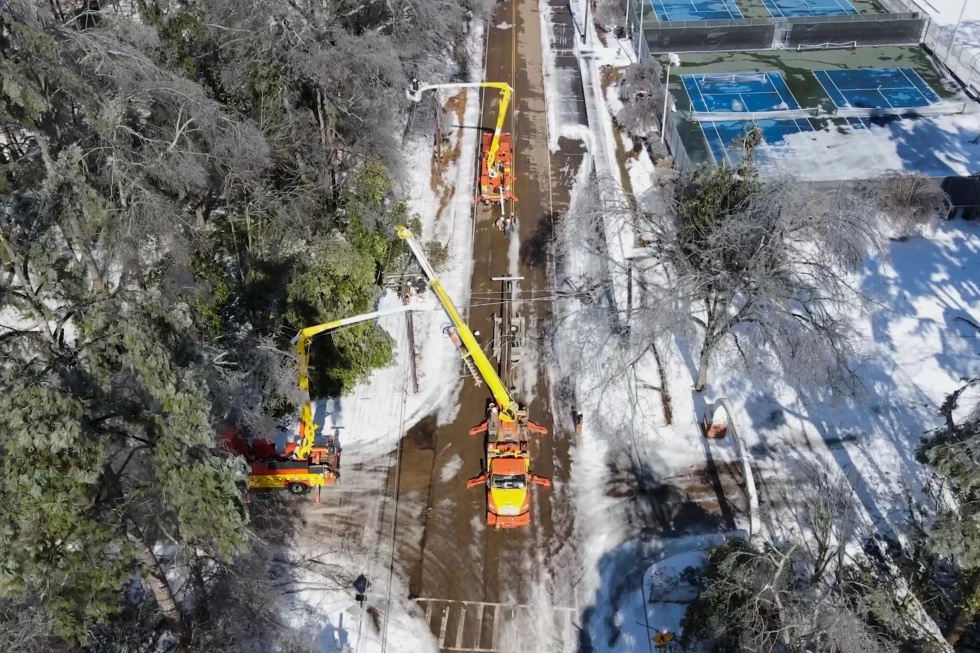
Nashville is grappling with more than 96,000 outages due to downed trees and snapped power lines, with utility crews predicting that repairs will extend into the weekend, hampered by the hazardous conditions.
The inclement weather is anticipated to continue affecting parts of the eastern U.S., with forecasters warning of subfreezing temperatures and possible heavy snow in regions that include the Carolinas and Virginia. For some, the winter crisis is a reminder of how quickly a change in weather can escalate from inconvenience to life-threatening situations.