In brief
As property tax bills rise due to increasing home values, anti-tax advocates in states like Georgia, Florida, and Texas propose eliminating homeowner property taxes. While some lawmakers back this initiative, concerns arise regarding potential impacts on local government services and educational funding.
ATLANTA (AP) — With property values soaring, states across the U.S. are facing calls from anti-tax groups to eliminate property taxes for homeowners. This push highlights a growing concern over the rising tax burdens on citizens.
Lawmakers in various states, including Georgia and Florida, are contemplating plans that could drastically reduce or eliminate property tax for homeowners. However, such measures could cost local governments billions of dollars in revenue, raising critical questions about funding for public services like education and infrastructure.
In Georgia, for example, a proposal aims to phase out homeowner property taxes by 2032, which could lead to significant cuts in funding for local schools and municipalities. Republican leaders argue that allowing families to keep more of their income is paramount, particularly in an election year.
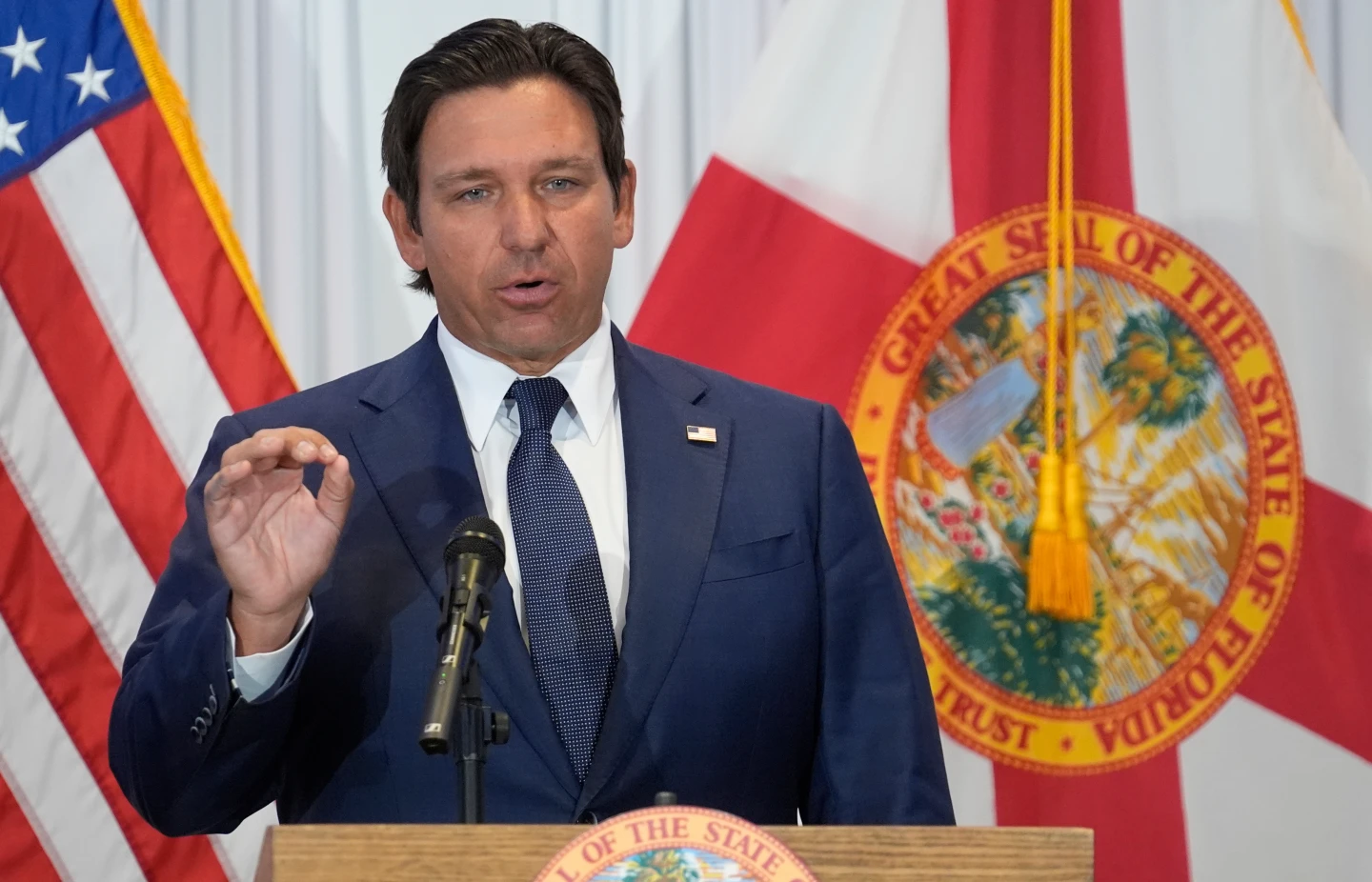
In Florida, Governor Ron DeSantis has announced similar initiatives, with the aim of eventually phasing out these taxes over a period of ten years. Meanwhile, in North Dakota, officials have pledged to use state oil money to gradually eliminate property taxes for residents.
Local representatives express that this could lead to a fiscal crisis in areas heavily reliant on property taxes, as they provide essential funding for schools and local services. Critics warn that the proposals could harm education and crucial infrastructure if alternative revenue sources are not established.
Amidst these debates, public sentiment is also considered, particularly among taxpayers like Tim Hodnett from Georgia, who sees his tax bills rise substantially while living on a fixed income. Hodnett expresses the need for a reasonable tax structure that doesn't threaten home ownership.
As efforts evolve, states like Oklahoma and Ohio are also exploring ballot initiatives to eliminate property taxes, although past attempts have faced setbacks. Experts predict these movements could be part of a broader trend of property tax revolts seen historically across the country, reminiscent of California’s Proposition 13.
The question remains: can states eliminate homeowner property taxes while ensuring vital public services remain funded?