In brief
Somalia's federal government has canceled all port management and security agreements with the UAE amid growing tensions after Israel's recognition of Somaliland as independent. President Hassan Sheikh Mohamud cited a lack of respect for Somalia's sovereignty as a key reason for the decision, which follows a deterioration of relations exacerbated by the UAE's alleged involvement in regional conflicts and support for separatist movements. This geopolitical shift raises questions about regional alliances and future diplomatic interactions.
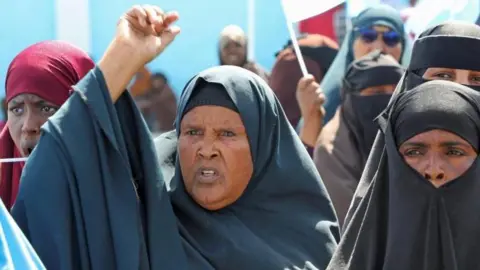
For weeks, Somalia has been engaged in intense diplomatic efforts to rally international support after Israel recognised its breakaway region of Somaliland as an independent state.
Through diplomatic outreach and high-level phone calls, Somalia's government has secured backing from key countries across Africa and the Middle East, urging them to oppose the recognition. However, one relationship has sharply deteriorated—Somalia's longstanding partnership with the United Arab Emirates (UAE).
For years, the oil-rich Gulf state has been viewed as a significant player in Somalia's security, economy, and politics, particularly due to Somalia's strategic coastline along the Gulf of Aden and the Indian Ocean, plagued by piracy and arms smuggling.
On Monday, Somalia's federal government announced the cancellation of all port management and security cooperation agreements with the UAE, accusing it of undermining the country's sovereignty.
We had a good relationship with the UAE, but unfortunately, they didn't engage us as an independent and sovereign nation. After careful assessment, we were forced to take this decision, President Hassan Sheikh Mohamud stated in a televised address after an extraordinary cabinet meeting.
The UAE has yet to respond to these accusations, but analysts suggest that Israel's recognition of Somaliland has fueled Somalian sentiment against the UAE.
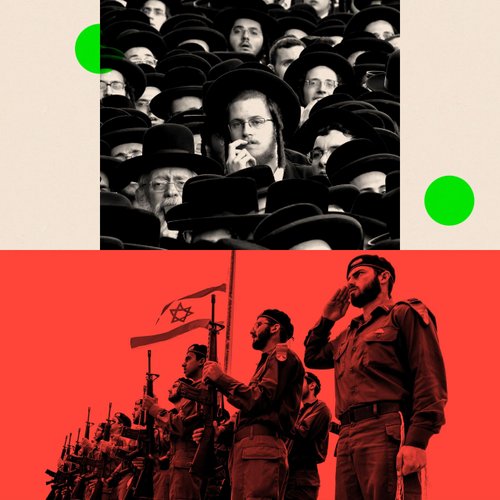
In late December, Israel became the first country to recognise Somaliland's independence, leading to celebrations in Somaliland's capital, Hargeisa. In exchange for recognition, Somaliland expressed interest in signing onto the Abraham Accords—which saw the UAE, Bahrain, and Morocco establishing ties with Israel.
The recent collapse of Somalia-UAE relations signals a widening rift within the Horn of Africa as regional powers align with different geopolitical blocs.
This breakdown has seen the UAE reportedly evacuate military personnel and aircraft from its air base in Bosaso, a development likely influenced by Somalia's deteriorating sovereignty.
However, Somalia’s government struggles to enforce its decision regarding port agreements, as it does not fully control the regions of Puntland or Jubaland where these ports are located. These semi-autonomous regions have rejected the federal government's position as null and void, complicating any future cooperation efforts.
As tensions continue to rise, experts believe that it may take considerable diplomatic efforts from Somalia to restore trust with the UAE, given the loss of confidence stemming from recent events.