Slovenia has become the first EU member state to implement fuel rationing to tackle disruptions caused by the US-Israeli strikes on Iran and its retaliatory actions against allies in the Gulf, significantly affecting global energy markets.
Many countries are currently experiencing steep hikes in fuel prices. In Slovenia, this has led to increased instances of fuel tourism where drivers from neighboring countries, especially Austria, flock to the country to benefit from lower regulated prices.
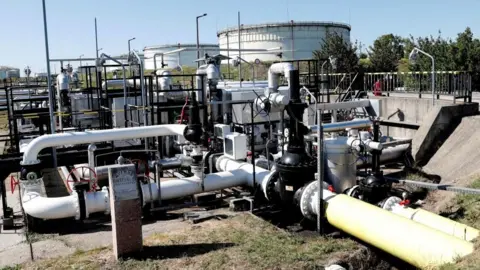
Under the new measures, private motorists in Slovenia will be limited to a maximum purchase of 50 liters of fuel per day, while businesses and farmers can buy up to 200 liters. Some fuel retailers had already begun imposing their own restrictions, with Hungarian MOL limiting purchases to 30 liters.
Prime Minister Robert Golob assured citizens that there is enough fuel in Slovenia, stating, the warehouses are full and there will be no fuel shortages. Petrol stations are tasked with enforcing these new limits.
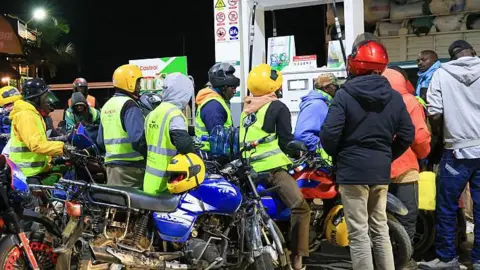
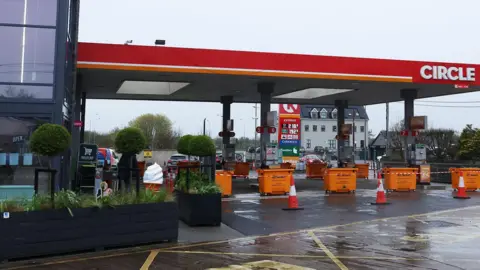
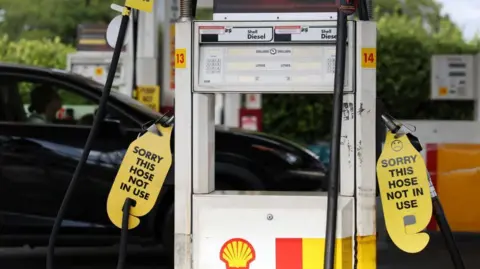
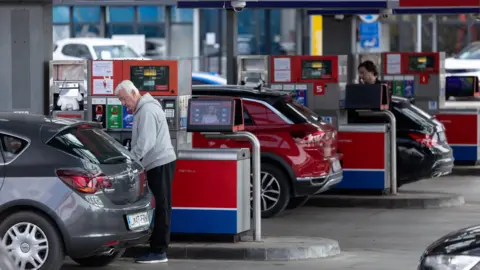
Despite the government’s reassurances, long queues are forming at petrol stations, and local drivers express confusion about the fuel situation, citing instances of stations running out of petrol. The demand from Austrian drivers contributes to the situation as prices in Austria continue to rise, with Euro-super 95 approaching €1.80 per liter compared to Slovenia's €1.47.
Some local Slovenians view the influx of foreign drivers as a problem, while others recognize the economic benefit as these visitors patronize local businesses. The government encourages stricter purchase limits for foreign drivers amidst ongoing discussions about the impacts of these measures.