In brief
The ongoing severe weather in the Gaza Strip has worsened conditions for displaced Palestinians, with reports of at least 12 deaths attributed to hypothermia and building collapses. UNICEF emphasizes the dire need for aid as rain damages tents and shelters, leaving families vulnerable to harsh winter temperatures. UN agencies have increased their assistance efforts, but the overwhelming need for resources continues to exceed available support.
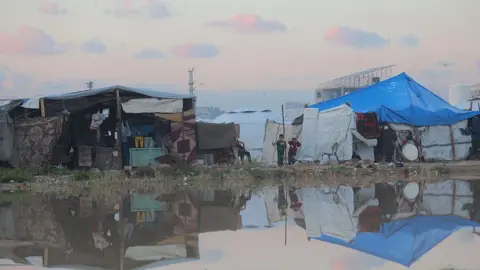
Heavy rains over the past week have compounded the already dire living conditions of the hundreds of thousands of displaced Palestinians in the Gaza Strip, UN agencies say.
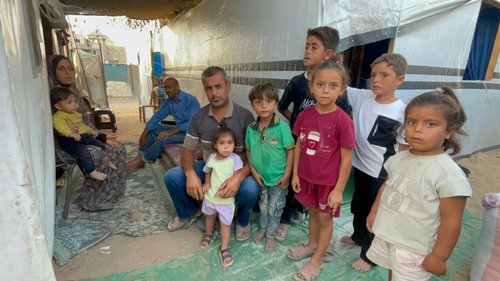
UNICEF spokesman Jonathan Crickx reported that the rain has been relentless, with floodwaters reaching up to 15cm (6 inches) near the agency's office. He expressed grave concerns for children living in makeshift shelters, warning they are at risk of hypothermia and illness due to their wet clothing.
Tragically, one infant has died from hypothermia, and at least 11 others have lost their lives in building collapses caused by the severe weather. The effects of the rain have prompted efforts from UN agencies, which have ramped up the delivery of blankets, tents, and warm clothing since the ceasefire began nine weeks ago, although they admit the aid received is insufficient.
Currently, an estimated 55,000 families have been affected, with many of their belongings and emergency shelters damaged or completely destroyed. Flooding in over 40 shelters during recent storms has forced families to relocate.
Last night was really horrendous for the families, Crickx reported, recalling seeing significant flooding from his office. Thousands of displaced individuals had to use buckets to try to remove the water from their surroundings, while children remain vulnerable due to inadequate protection from the elements.
The health ministry in Gaza reported that a two-week-old boy succumbed to hypothermia, while further claims indicate that construction failures during the downpour led to numerous building collapses, adding to the death toll.
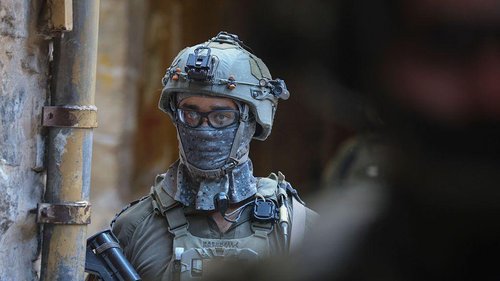
Humanitarian officials stress the urgent need for increased assistance to address the long-term needs of these families and to restore damaged infrastructure. Cogat, the Israeli military body managing border crossings, defends the flow of humanitarian aid into Gaza, despite widespread allegations of restrictions.
As winter's harsh conditions set in, the need for robust and coordinated relief efforts has never been more critical for the hundreds of thousands battling poverty and displacement in the region. The international community’s continued support is crucial in addressing this urgent humanitarian crisis.