In brief
Senator Markwayne Mullin, recently nominated by Donald Trump for the role of Homeland Security secretary, shares a profound relationship with the president, rooted in personal experiences involving his son's severe injury during a wrestling match in 2020. Trump's concerns and support during the family's challenging times solidified their bond. Mullin, a staunch advocate for Trump's policies, especially regarding immigration, is known for his bipartisan friendships and is expected to lead DHS amidst ongoing criticism and challenges. His experiences as a tribal citizen raise hopes for improved relations with Native American communities in his new position.
Senator Markwayne Mullin, recently nominated by Donald Trump to take over for Kristi Noem as Homeland Security Secretary, recalls how a personal family crisis helped form a strong bond with the president. This relationship took shape during a difficult time for Mullin when his son suffered a serious brain injury during a wrestling match in 2020. Trump, expressing genuine concern, supported the Mullin family through the challenging rehabilitation process, which included offering to facilitate treatment.
Reflecting on this bond at a recent campaign rally, Mullin remarked, “You know, someone loves your kids, you’re going to love that guy forever.” This sentiment echoes the trust and loyalty that marks Mullin's political career as he prepares for his new role at DHS, an agency critical to Trump's immigration policies.
Despite the controversies surrounding DHS's actions under Noem, Mullin's nomination reflects Trump's preference for loyalty. As an outspoken defender of Trump's policies, Mullin is part of a cabinet that aims to bolster the administration's tough posture on immigration, which faced substantial scrutiny during Noem's tenure.
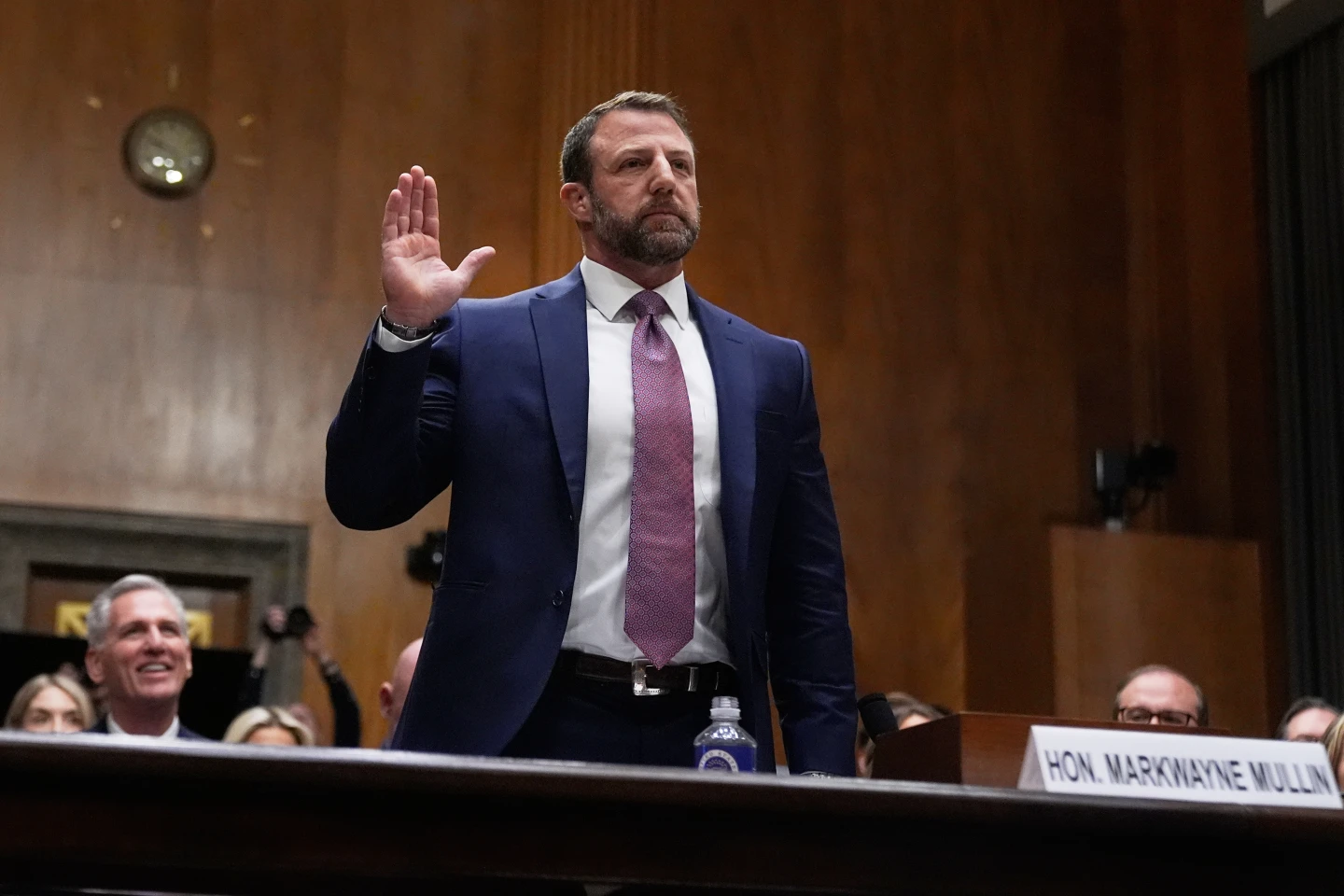
During his Senate confirmation hearing, Mullin reiterated his deeply personal connection with Trump, showcasing a narrative that combines professional collaboration with personal devotion. He detailed his son's journey post-injury, highlighting Trump's constant check-ins during turbulent political times.
Moreover, while Mullin is known for his unyielding support of Trump's agenda, he has also built relationships across the aisle. As a former plumbing business owner and a member of the Cherokee Nation, his unique perspective as a tribal citizen could play a pivotal role in addressing longstanding issues of tribal relations with federal immigration enforcement.
With a passion for both his conservative viewpoints and an understanding of diverse social dynamics, Mullin’s leadership is looked upon with hope for creating positive dialogues with tribal leaders and improving the training of immigration personnel to foster better relations with Native American communities.