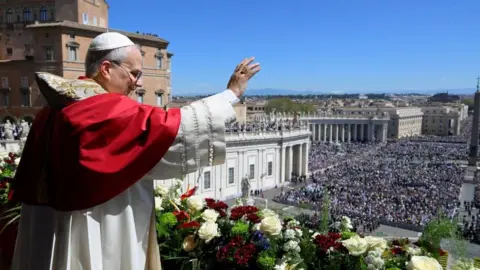
On Tuesday, Pope Francis' body lay in repose in Casa Santa Marta, his residence within Vatican City. He was dressed in traditional red and white vestments, holding a rosary. A procession will move his body to St. Peter's Basilica for public viewing starting Wednesday, allowing mourners to pay their respects over the following days.
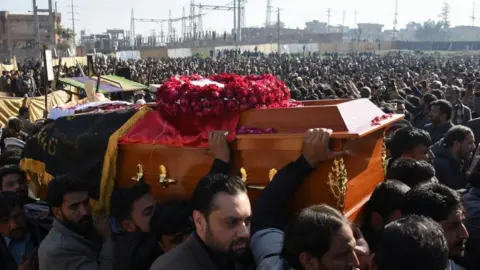
In an outpouring of grief, nations reflected his global influence by lowering flags and proclaiming official mourning periods. Memorial services were held worldwide, with significant gatherings in places like Manila, Sydney, and Buenos Aires, his hometown. Diverse communities, including in Venezuela and Gaza, came together in remembrance, highlighting his advocacy for marginalized groups, particularly migrants and the suffering in conflict zones.
This monumental transition for the Catholic Church will lead to the election of a new pontiff, with cardinals worldwide beginning deliberations shortly after the funeral. The conclave is expected to convene in private to select Francis' successor, who will shape the future of a Church representing 1.3 billion adherents.
Pope Francis passed away at 88 after suffering a stroke, which led to his declining health, a culmination of several prior medical challenges. His will expressed a desire for a simple burial, encapsulating his life's mission to embody humility and compassion — values that resonated with many across the globe. His impact on the Church, LGBTQ rights, and social justice issues will continue to guide future leadership within this storied institution.
In an outpouring of grief, nations reflected his global influence by lowering flags and proclaiming official mourning periods. Memorial services were held worldwide, with significant gatherings in places like Manila, Sydney, and Buenos Aires, his hometown. Diverse communities, including in Venezuela and Gaza, came together in remembrance, highlighting his advocacy for marginalized groups, particularly migrants and the suffering in conflict zones.
This monumental transition for the Catholic Church will lead to the election of a new pontiff, with cardinals worldwide beginning deliberations shortly after the funeral. The conclave is expected to convene in private to select Francis' successor, who will shape the future of a Church representing 1.3 billion adherents.
Pope Francis passed away at 88 after suffering a stroke, which led to his declining health, a culmination of several prior medical challenges. His will expressed a desire for a simple burial, encapsulating his life's mission to embody humility and compassion — values that resonated with many across the globe. His impact on the Church, LGBTQ rights, and social justice issues will continue to guide future leadership within this storied institution.