In brief
Alain Orsoni, a former nationalist leader, was shot dead during his mother's funeral in the village of Vero, Corsica. This high-profile assassination marks a disturbing increase in violence on the island, which has seen 35 fatalities in 최근 three years related to organized crime. Community leaders and victims' families express profound shock and concern over the gruesome nature of the attack, calling for a change in the culture of violence. Investigations are underway as the island grapples with its dark legacy of vendettas and criminal activity.
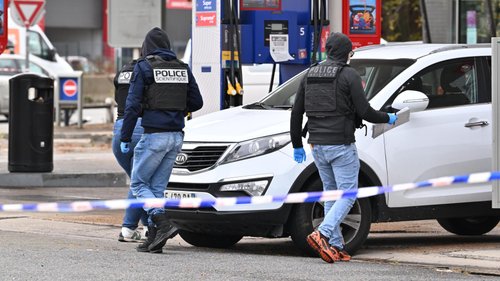
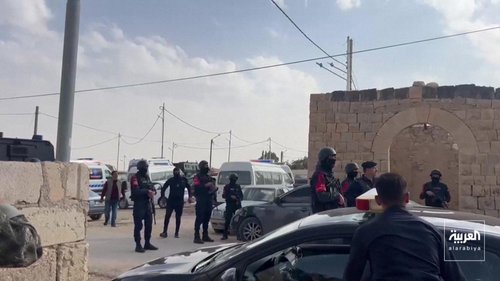
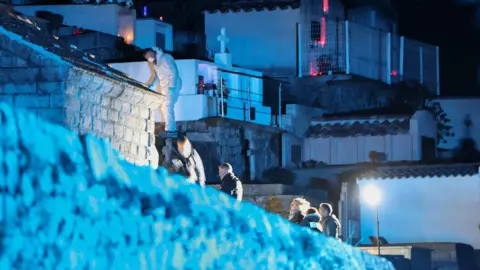
The mourners had gathered in the small village of Vero, a half-hour drive from Ajaccio, the capital of the picture-postcard Mediterranean island of Corsica.In their midst was former nationalist leader Alain Orsoni, 71, who had flown in from exile in Nicaragua to bury his mother. Suddenly, with the ceremony under way, a single shot was fired from nearby scrubland, killing Orsoni instantly.Thirty-five people have been fatally shot on this island of 350,000 people in the past three years alone, giving it one of France's highest murder rates. Corsicans have become wearily familiar with vendettas and tit-for-tat underworld shootings, but even here, the way Orsoni was killed has stunned islanders.Yesterday, Alain Orsoni was cremated after a funeral service in Ajaccio. There was a large police presence.Close friend Jo Peraldi finds it hard to believe that a day of high emotion surrounding the funeral of Orsoni's mother could have been defiled in such a way.A cemetery is sacred in Corsica, just like a church. Never have I witnessed seeing someone murdered while accompanying their mother to their final resting place, he told Corsican radio.Over the years, victims of Corsica's violence have included farmers, elected officials, a lawyer, local business owners and even the president of the chamber of commerce.But for a cousin of the victim, Christian Leca, Orsoni's killing was a tipping point in the horror.People don't kill in cemeteries, it's intolerable, he told Le Monde newspaper.The nature of the violence has changed in recent times, says Thierry Dominici, an expert of Corsican nationalism at the University of Bordeaux who grew up on the island.Investigations led by judges in Paris specialized in tackling organized crime are currently underway. President of Corsica's regional authority, Gilles Simeoni, remarked that this murder increases the mafia pressure that weighs heavily on Corsican society.Orsoni was a major figure in Corsican nationalism and had a long history that included time spent in jail for bomb attacks aimed at pressuring the French state for greater autonomy. His killing has reverberated far beyond Corsica, stirring emotions and fears across the island.As the Corsican community mourns and searches for answers, calls for peace and an end to the cycle of violence grow louder.