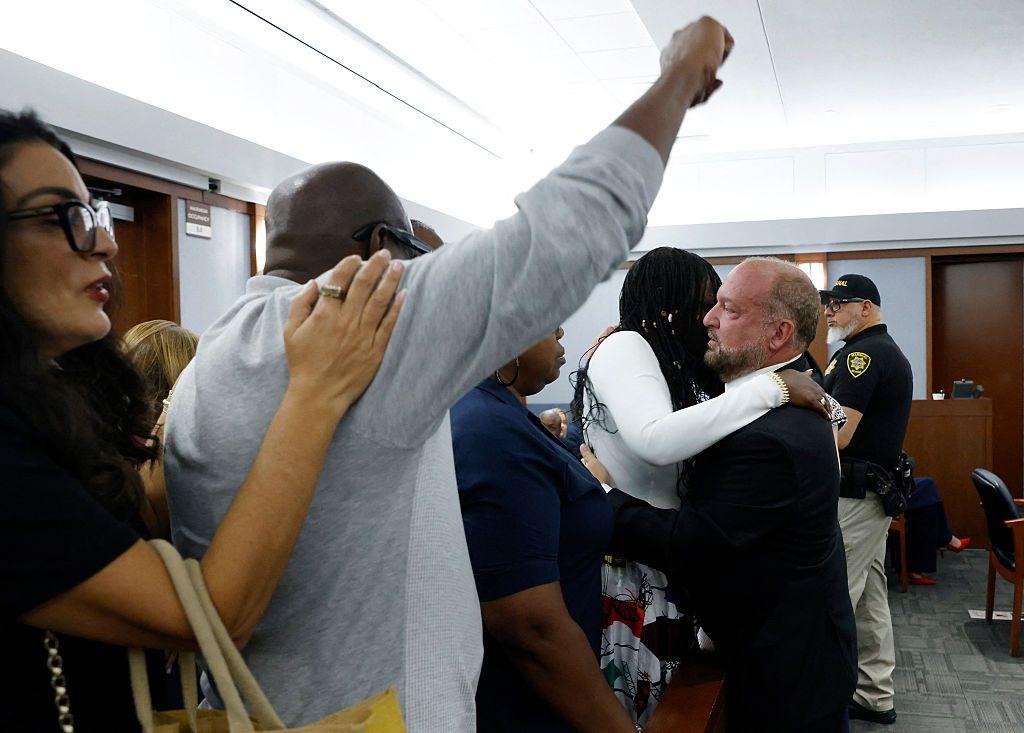
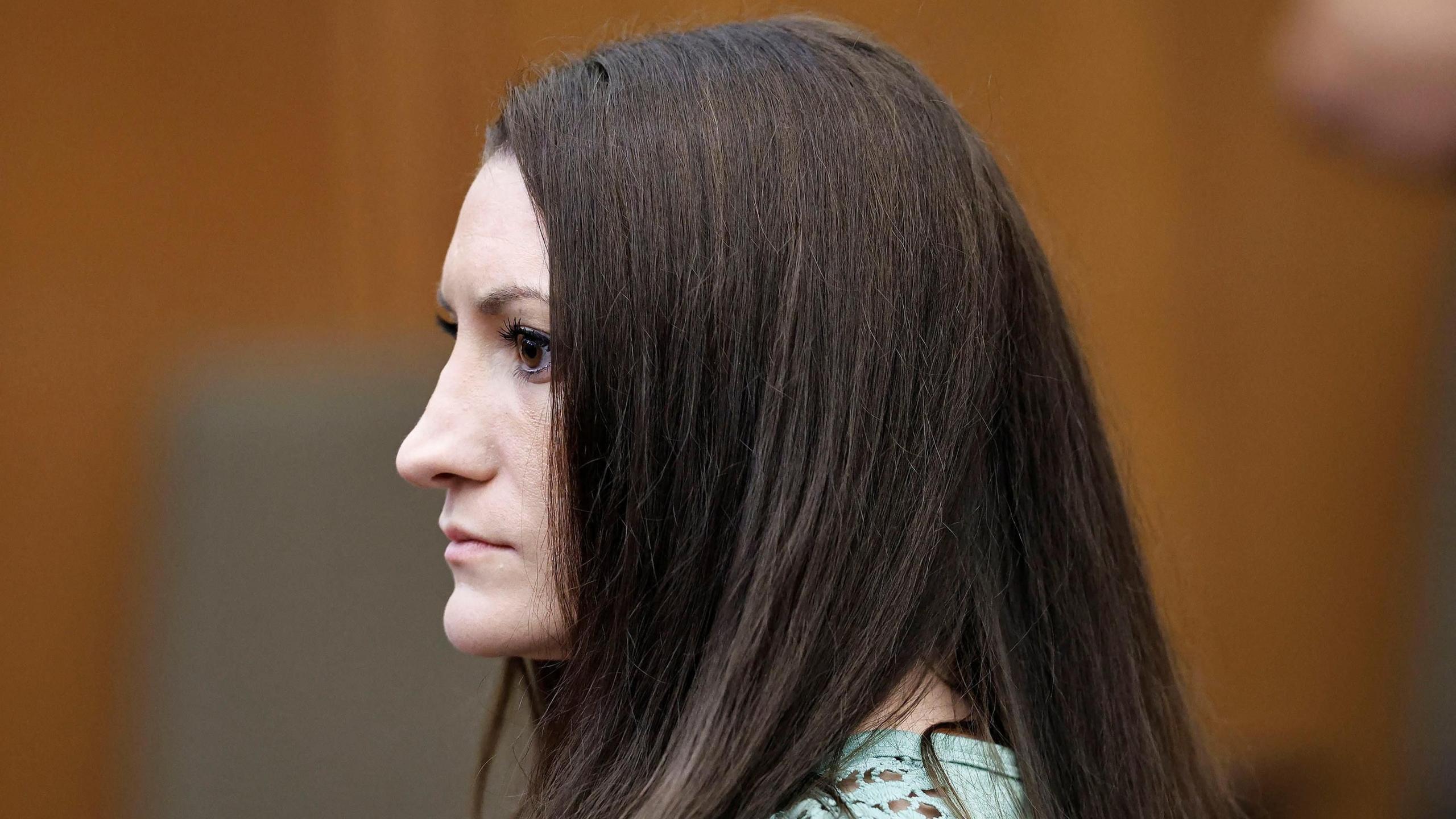
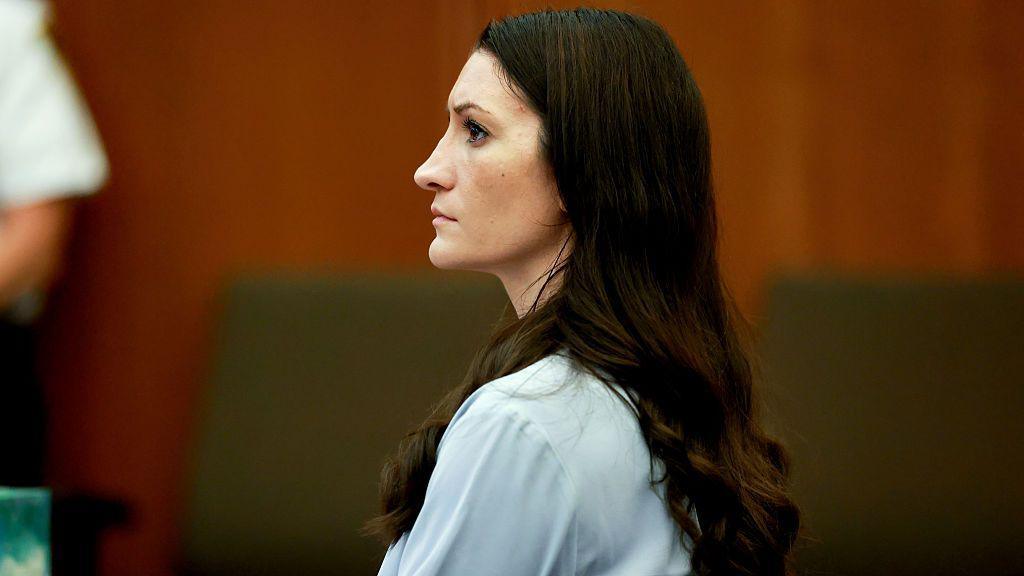
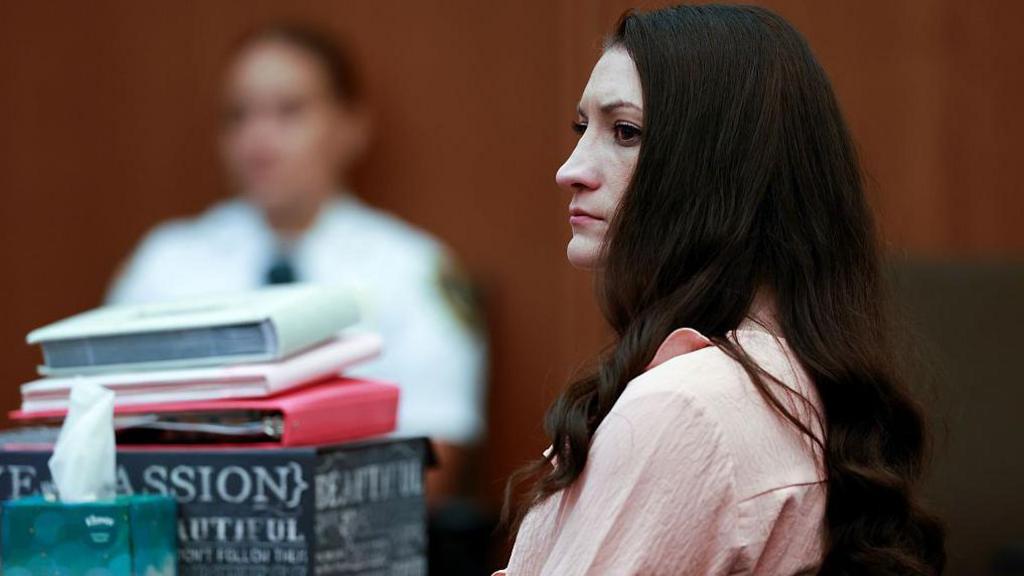
Conor McGregor, the notorious mixed martial arts fighter, is grappling with a dramatic decline in public support after a Dublin jury found him guilty of sexual assault in a civil case brought by Nikita Hand, who accused him of raping her in a hotel room in December 2018. The jury awarded Hand nearly €250,000 (£208,000) in damages, prompting McGregor to announce his intention to appeal the decision.
The verdict has sparked a significant response across Ireland and beyond, as retailers rushed to remove products associated with him from stores and collaboration partnerships were terminated. Proximo Spirits stated it would no longer use McGregor's name or likeness in their marketing of Proper No Twelve whiskey, the whiskey brand he launched, while IO Interactive, the creators of the Hitman video game series, ceased their collaboration with him.
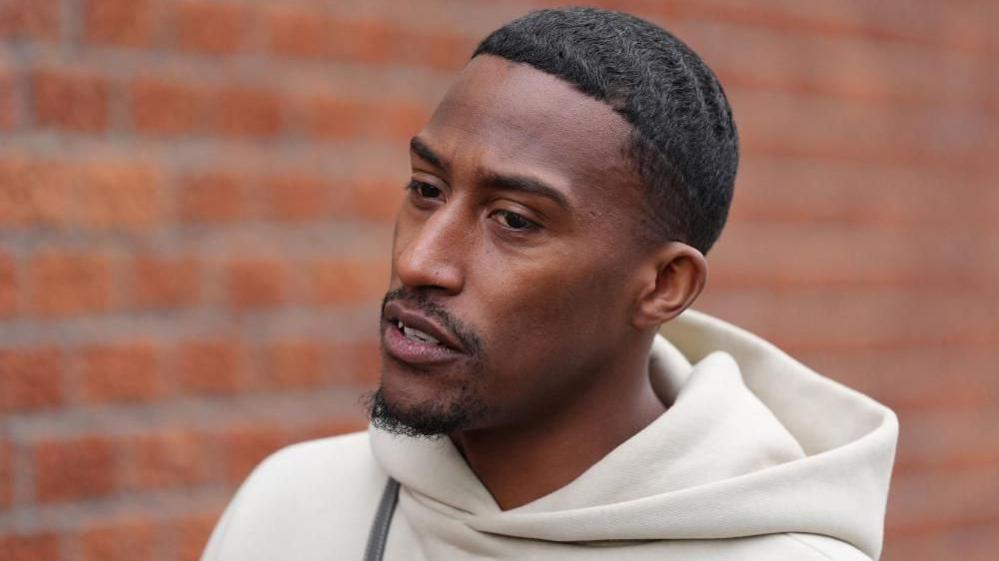
McGregor, who rose to fame in 2013 as a UFC fighter, once embodied the rebellious spirit of Irish sports. Yet, over the years, his numerous legal troubles — including past altercations and controversies — have tarnished his reputation amongst supporters. Petesy Carroll, a noted MMA journalist, highlights that while McGregor once helped popularize the sport in Ireland, the controversies have driven a wedge between him and the public.
Public sentiment shifted drastically after the recent ruling. Supermarkets across the UK and Ireland swiftly pulled merchandise associated with McGregor, and the removal of murals celebrating him further underscores the growing backlash. The Dublin Rape Crisis Centre reported that calls surged by 150% within hours of the verdict, signaling heightened awareness and discussion around sexual assault in Ireland.
The case and its outcome have ignited conversations about victim support and societal attitudes toward sexual assault. Hand, who strongemphasized the importance of speaking out, stated she hoped her experience would inspire others to pursue justice.
As the dust settles, questions linger about McGregor's future in the sport and his once-solid standing in Irish society. A gym owner in Galway recently removed a mural of McGregor, emphasizing that the fighter no longer represents a role model for the public. The cultural momentum toward accountability in issues surrounding sexual violence reflects a potential long-term shift in Ireland's sports narrative.
As McGregor prepares for potential legal battles and an impending return to the Octagon, his past reputation as a fearless fighter and a national hero appears irreversibly altered amid a growing sentiment of discontent from both fans and brands alike.