In brief
The complexities of Jordan's relationship with Palestinian refugees surface as King Abdullah II addresses Trump's controversial relocation strategy.
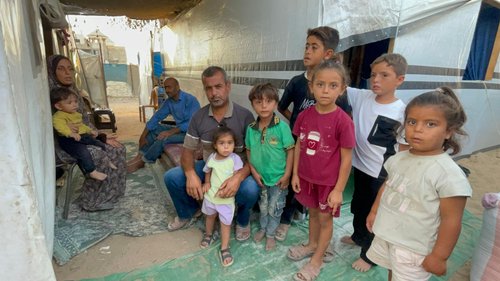
In a surprising twist during a meeting at the White House, President Trump proposed a plan suggesting that the United States take control of the Gaza Strip, while other nations, particularly Jordan and Egypt, would absorb the Palestinian population. King Abdullah II of Jordan quickly and diplomatically rejected the plan, emphasizing the crucial role the American president plays in fostering peace in the Middle East, especially concerning the historical complexities of Palestinian-Jordanian relations.The announcement left many on Trump's advisory team taken aback by the vagueness and suddenness of the proposal, which largely relies on neighboring countries accepting a significant influx of displaced Gazans. In a courteous exchange, Abdullah expressed Jordan's willingness to provide essential services, like medical care, to Palestinians in need, yet firmly distanced his nation from the overwhelming resettlement envisioned in Trump's framework.Jordan's relationship with Palestinians is marred by a tumultuous history, including past violent encounters stemming from differing national identities and political aspirations. This ongoing tension complicates the possibility of further integrating Palestinians into Jordanian society, a challenge exacerbated by shifts in demographics and the societal fabric since the late 1960s.As King Abdullah weighs the implications of Trump's plan, he faces personal stakes rooted in his reign's legacy, which intertwines with the fate of the Palestinian community. Hostile sentiments may erupt if Jordan is perceived as collaborating with a plan that threatens its national integrity or the aspirations of Palestinians tied to their homeland.The unfolding drama illustrates the intricate web of geopolitics at play in the Middle East, where historical narratives and contemporary policy proposals collide, prompting leaders to tread cautiously in their responses and strategies moving forward.