In brief
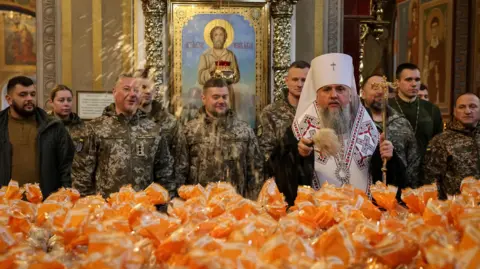
Russia and Ukraine have agreed to a temporary truce for Orthodox Easter, with President Putin ordering a ceasefire effective from April 11 through Easter Sunday. This announcement follows calls from Ukraine's President Zelensky for a halt in hostilities. While some view this as a positive development, skepticism remains regarding the sincerity and longevity of the truce due to past violations.
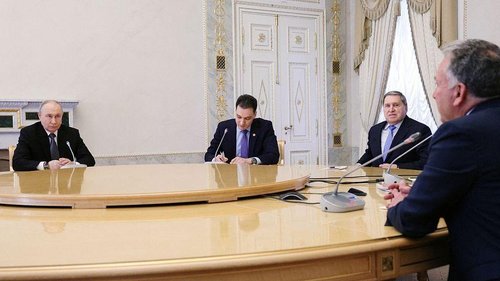
Russia and Ukraine have agreed to a truce for Orthodox Easter, with Vladimir Putin stating he has ordered Russian troops to cease fire 'in all directions' this weekend.
The declaration from Moscow came after Volodymyr Zelensky issued repeated calls for a ceasefire, calls which had previously been ignored by the Kremlin.
Putin's announcement signals a truce from 16:00 local time on Saturday, April 11, through Easter Sunday, with expectations for Ukraine to 'follow the example' set by Russia. He instructed his forces to be vigilant for any potential 'enemy provocations' or aggressive actions during this period.
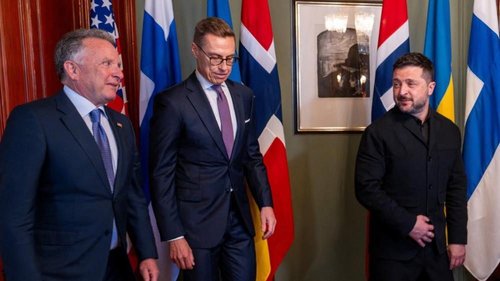
This declaration is tempered with a tone that may provoke Ukrainians, yet Zelensky remarked on social media that Ukraine is 'ready for symmetrical steps' towards peace. In his statement, he emphasized the need for an Easter free from threats, urging for a real movement toward peace and suggesting that Russia has an opportunity to refrain from striking again after the holiday.
Earlier in the week, Zelensky had conveyed through U.S. channels a proposal for a holiday weekend truce to Moscow as an initial step towards peace.
For many soldiers on the eastern Ukraine frontline, any respite from conflict would be greatly welcomed, as they face relentless attacks from drones. Moreover, for the civilian population, a ceasefire would offer a rare moment of peace amid constant air raid sirens and the threat of missile strikes.
Recent attacks have resulted in casualties, with civilians being targeted, including a drone strike on a bus in Nikopol and a missile striking a home in Zhytomyr.
The sirens sounded again in Kyiv shortly after the announcement of the truce, underscoring the ongoing insecurity felt throughout the region. Ukraine has also ramped up drone assaults on Russian energy facilities amidst the conflict, with claims from Russia of damage to residential areas.
If the truce holds, skepticism lingers among Ukrainians, remembering previous instances where Russia declared temporary halts only to resume hostilities shortly after. Observers highlight that Russia previously called a ceasefire during winter which lasted just long enough to regroup for further strikes.
Kyiv's consistent demand is for a full and stable ceasefire that could pave the way for a genuine negotiation towards peace, while Moscow insists on finalizing a peace agreement first—leading to further distrust.
As the conflict continues, the U.S. remains involved as a mediator, though efforts to further discussions have been stagnant amid shifting political priorities.