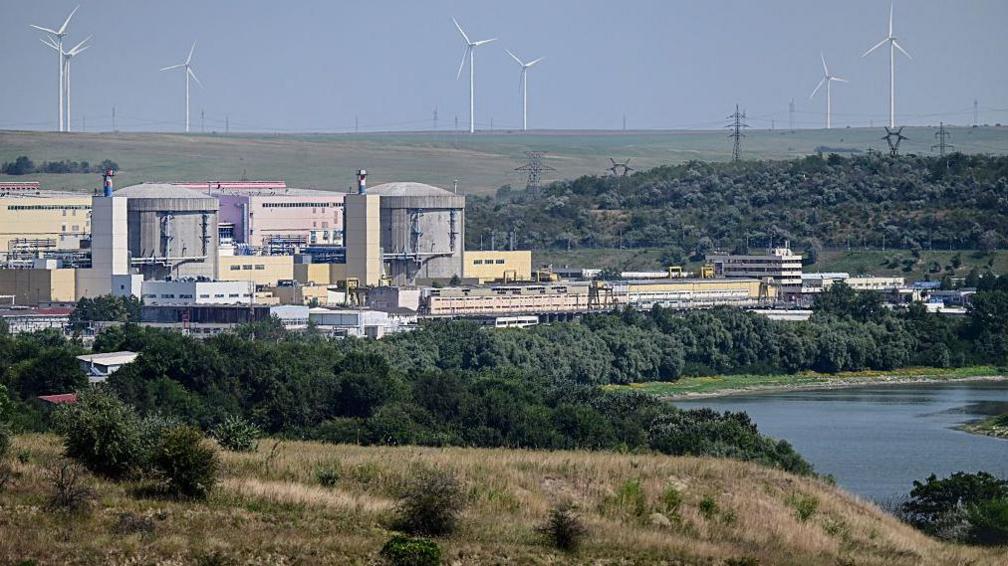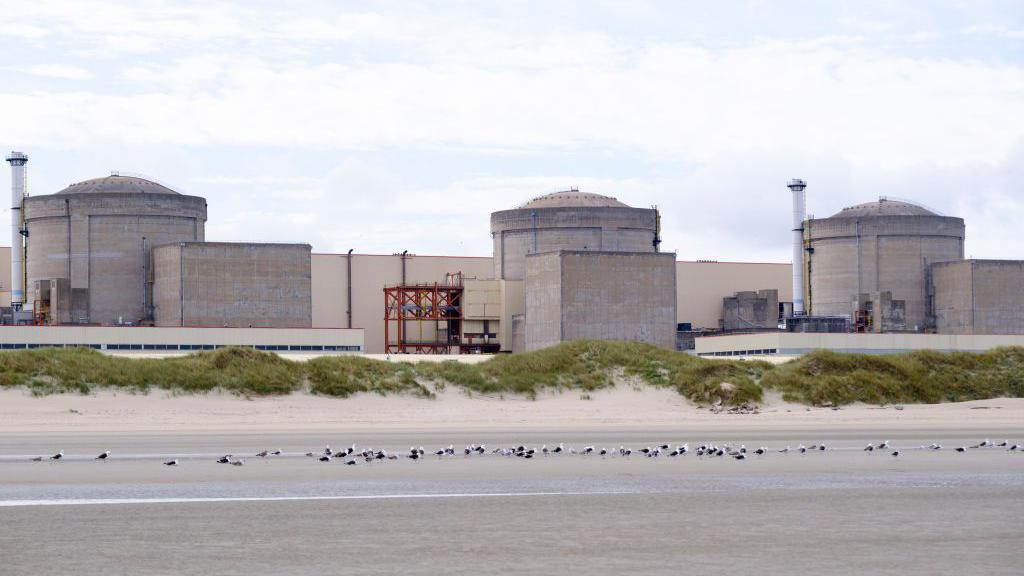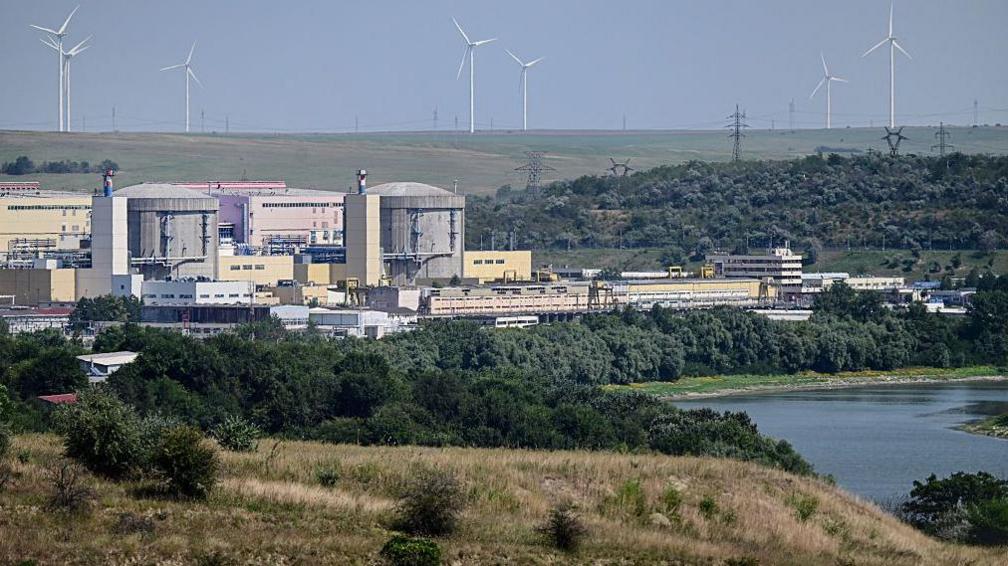
Romania’s only nuclear power station, Cernavodă, was shut down after the Danube River fell to its lowest level in three decades, a direct consequence of an intense heatwave sweeping Europe.
The plant’s two 706‑megawatt reactors, which deliver roughly 20 % of Romania’s electricity, were disconnected from the grid before midday on Thursday. The director said no restart is anticipated within the next ten days.
Prior to the shutdown, authorities tried to increase inflow by dropping barges laden with rocks into the river to help drive water into the cooling nozzles, but the water remained too shallow.
Hungary’s Paks nuclear plant, also fed by the Danube, avoided a full shutdown so far. However, Hungarian officials warn that a similar low‑water situation could force Paks to cease operations for the first time in its history.
With the reactors offline, Romania is relying on solar and wind during hot, windy daytime hours, while imports and gas‑based generation will fill the gap in the evenings when hydro output is curtailed by low river levels.
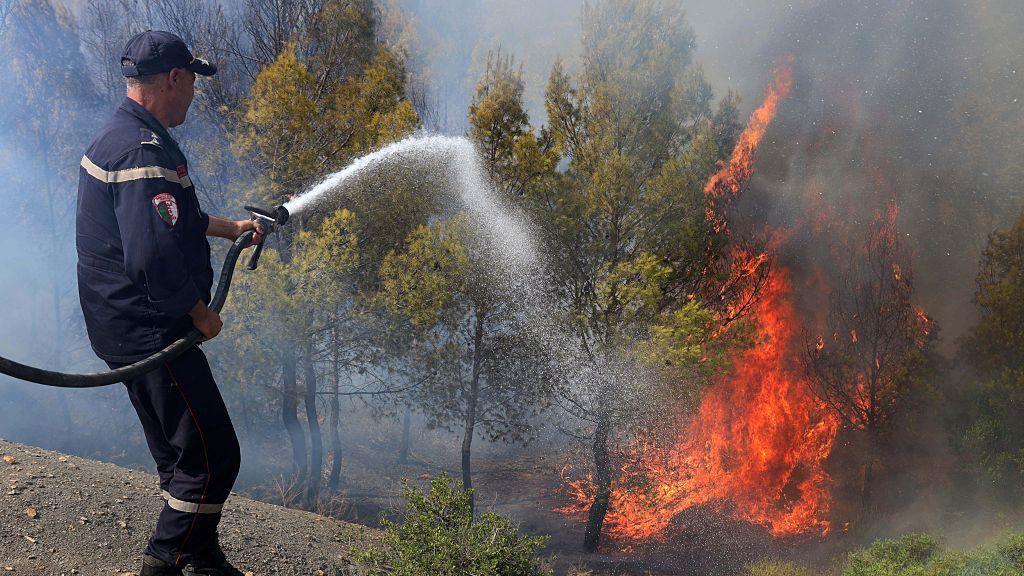
The heatwave has not only reduced river flow but also increased summer temperatures, pressurising European water supplies and accelerating wildfires. The EU’s growth forecast is already being questioned as extreme weather impacts infrastructure and agriculture.