In brief
Families in Gaza, lacking electricity for over a year, struggle to maintain a semblance of normality in the face of ongoing war and insecurity.
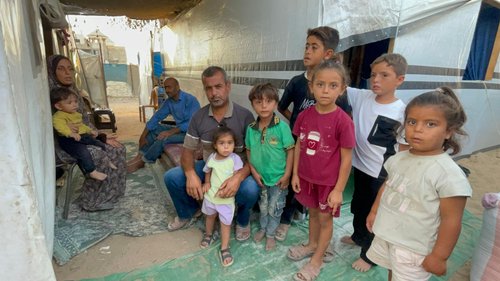
In Deir al-Balah, Mariam Abu Amra feels the burdens of the blackout heavily weighing on her family, as the war has plunged Gaza into darkness, turning basic necessities into unattainable luxuries.Mariam Abu Amra's home has become a shadowy shell since the war erupted, with each night bringing panic for her six children who fear the dark. With power cut off for over a year—an Israel-led measure aimed at weakening Hamas—Gaza remains bleak, illuminated only by the flickering screens of cellphones. “Every night is a struggle for us,” says Mariam, a 36-year-old mother, who now lights her home with cell phones and cooks over an open flame. Consequently, she has adapted her daily routine around daylight, stating, “I have to wake up early now so I don’t miss a single minute of daylight.” The absence of electricity has severely impacted daily life, transforming once-normal activities into arduous tasks. From preparing meals to doing laundry, Gazans are confronted with overwhelming challenges in what were previously considered mundane daily chores. “I never knew how much all the people and the families here, including myself, relied on electricity,” Mariam reflects on her changed life circumstances, a sentiment echoed by countless Gazans enduring the same hardships as the war shows no signs of abating. As families attempt to cope with deprivation, basic amenities like functional medical equipment and even a simple bedroom night light become poignant reminders of their current reality. For many, the yearning for a return to normalcy is marred by uncertainty and fear—all under the pervasive weight of a darkness that just won't lift.