In brief
The bourbon industry, once riding high on a post-recession revival, is now grappling with plummeting sales and new tariffs. The shift in drinking habits, particularly among younger generations, combined with increased costs due to inflation and international trade tensions, has forced the iconic Kentucky bourbon sector into a critical position.
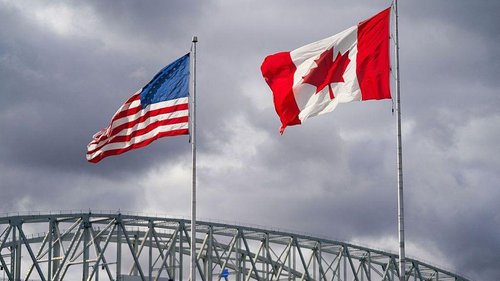
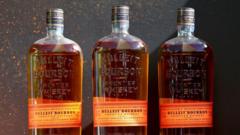
The story of Kentucky bourbon's recent decline is one marked by economic adversity. Although the spirit enjoyed a renaissance following the 2008 recession, with sales surging due to a growing collector's market and favorable pricing for bars, the global pandemic brought severe disruptions. Sales fell by 7% for Bulleit Bourbon, a key player in the industry, while other brands like Wild Turkey reported even greater declines. Kentucky's bourbon breweries are now facing a harsh market, compounded by sanctions like tariffs introduced under former President Trump. These tariffs, aimed at supporting American businesses, have inadvertently hurt Kentucky's bourbon distillers, notably affecting their sales in international markets. For instance, Canada, a major importer of Kentucky bourbon, halted all purchases, creating significant economic strain for distilleries such as Brown-Forman, which produces well-known brands including Jack Daniels and Woodford Reserve. Current consumer trends reveal that younger drinkers are opting for cheaper alternatives, leading to a downturn for distillers who were previously thriving. With bourbon sales growth projected to slow to just 2% from 2021 to 2024, many fear that further bankruptcies could occur, especially among smaller operations. Recently, LMD Holdings filed for Chapter 11 after just one month of opening, illustrating the precarious situation of the industry.In the wake of these challenges, distillers might need to adapt, akin to the Scotch whiskey market's transformation during its own downturn. Canadian distillers have begun to mimic bourbon production techniques, motivated by the emerging demand amidst dwindling U.S. imports. While hope remains that these financing difficulties could spur innovation, the coming years will be crucial for bourbon distillers in Kentucky as they navigate this unprecedented period in their storied history. In summary, the once-booming Kentucky bourbon market faces a turbulent future characterized by economic challenges, changing consumer preferences, and international trade conflicts. Distillers may need to innovate to survive in a rapidly shifting landscape.