In brief
Eyewitnesses recount their chilling experiences during the 2004 tsunami in the Andaman and Nicobar Islands, revealing the devastation and trauma that followed the earthquake and towering waves.
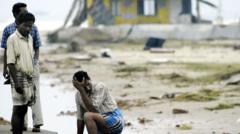
On December 26, 2004, as I prepared for a leisurely trip to Havelock—an island renowned for its pristine beaches—a calamity unfolded that would change lives forever. I boarded a ferry at Phoenix Bay in Port Blair, having arrived just two days prior for what was supposed to be a joyful holiday with my college friend’s family.As we set sail towards Havelock, the serene atmosphere quickly turned chaotic. Just moments after leaving the jetty, a violent jolt threw our ferry off balance, and the nearby jetty collapsed with a thunderous crash. While I stood stunned on the deck, the crew informed us that an earthquake had struck—one that would soon reveal itself as the third most powerful recorded in history.The quake, measuring 9.1 on the Richter scale, unleashed a monstrous tsunami that would claim the lives of an estimated 228,000 people across multiple nations. The Andaman and Nicobar Islands, located a mere 100 kilometers from the epicenter, suffered severe consequences within minutes of the upheaval. Our ferry, blissfully unaware of the impending turmoil, was forced back as the path we had hoped to take was submerged.Returning to Port Blair, the reality of the situation became disturbingly clear. Buildings lay in ruins, and boats were tossed as if playthings in the streets. In the midst of the chaos, I encountered a distressed young girl who shared her near-drowning experience, her home swallowed whole by the surging waters. Another local woman lamented the loss of her entire existence, everything she had owned obliterating within mere moments.Over the following weeks, I reported extensively on the crisis, uncovering heartbreaking stories of survival amongst the widespread devastation. In the days that followed, military and relief efforts sprung into action, though challenges compounded with damaged infrastructure making access difficult. Temporary shelters were established as thousands sought refuge after losing their homes.Onsite visits to villages like Car Nicobar revealed the extent of the storm’s devastation, with the military recovering countless bodies from the rubble. Villagers described waiting in vain for rescue supplies without food or water. The sheer magnitude of the tragedy was overwhelming, yet amidst the ruins, one statue of Mahatma Gandhi survived, a stark reminder of resilience.As I reflect on that day nearly two decades ago, I still contemplate the 'what-ifs' of my ferry ride. The tsunami's timing spared my life but claimed many others, reminding that nature's fury impacts lives in unthinkable ways. The memories may fade, but the lessons of that tragic day remain etched in our hearts and minds.