In brief
In a brutal attack on health workers, a nurse was killed and a colleague seriously harmed while attending an Ebola outbreak in northeastern Democratic Republic of Congo. Targeted by local youths who blamed health teams for contaminating water, the incident has ignited fears about the safety of field staff. The World Health Organization condemned the assault, calling for protection of healthcare workers. Uganda has tightened travel bans to curb the spread after its border citizens were exposed, and neighbouring Kenya and Nigeria have reported their first related cases. This violence underscores the fragile security situation amid the outbreak that has already claimed over 4,800 lives in DR Congo.
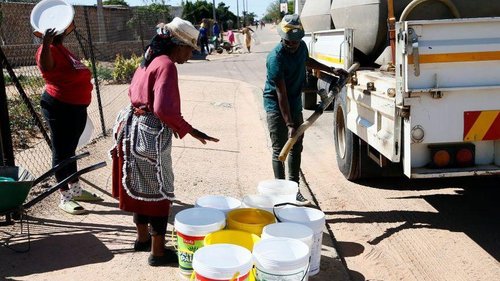
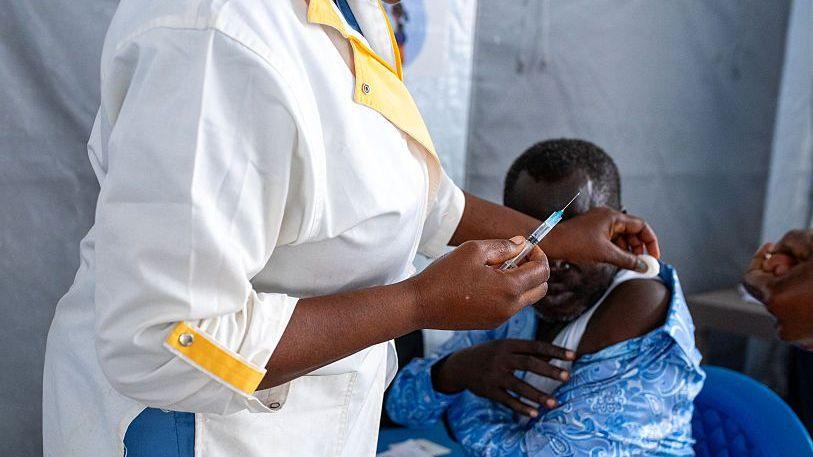
A nurse was killed and a colleague seriously injured in an assault while responding to an Ebola alert in the northeastern region of the Democratic Republic of Congo (DR Congo). Local youths, who accused the team of contaminating water sources, carried out the attack, triggering an emergency response from the World Health Organization (WHO) and a renewed scramble for safety among field workers.
WHO Director‑General Tedros Adhanom Ghebreyesus condemned the violence and underscored that health workers must be able to carry out their duties “in safety and dignity”. The United Nations‑backed Radio Okapi reported the attackers claimed the team was spreading the virus, reflecting the deep mistrust in communities hit by the outbreak.
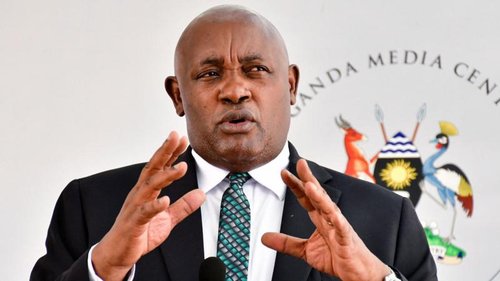
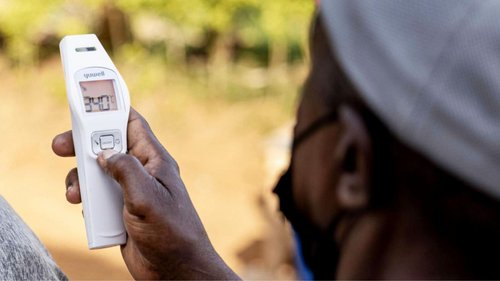
Amid rising tensions, Uganda has imposed a blanket ban on non‑essential travel to and from DR Congo. Citizens returning will be quarantined for 21 days at their own expense, and only essential staff such as aid workers, truck drivers and security personnel may cross the border, subject to strict health screening. Uganda’s Health Minister Chris Baryomunsi said the move was meant to keep the country free of Ebola as the virus continues to circulate in neighbouring territories.
Since the outbreak began in May, DR Congo reports over 4,800 deaths and nearly 10,000 infections. The attack on healthcare workers follows earlier violent incidents, including the death of a politician who promoted safety measures last month and a Red Cross ambulance set on fire in August.
Both Kenya and Nigeria have now reported their first Ebola cases linked to the outbreak. In Nigeria, a Ugandan‑born wife of a Swiss diplomat was flown to Switzerland for treatment, while a Kenyan businessman succumbing to the disease died in Nairobi two days after arrival. The Ugandan Ministry of Health is tracing the movements of these patients to determine potential exposure routes.
Local and international observers warn that the violence not only endangers health workers but also hampers critical testing, contact tracing and treatment efforts, risking further spread of the deadly virus.