Philippine President Ferdinand Marcos has announced efforts to secure new oil sources, officially declaring a state of national energy emergency in response to the escalating war in Iran that has severely impacted global oil markets.
In a televised address, Marcos stated that the government plans to procure one million barrels of oil to bolster current reserves, which are sufficient only for 45 days. He emphasized that there would be a 'flow of oil,' indicating multiple deliveries of oil-related products.
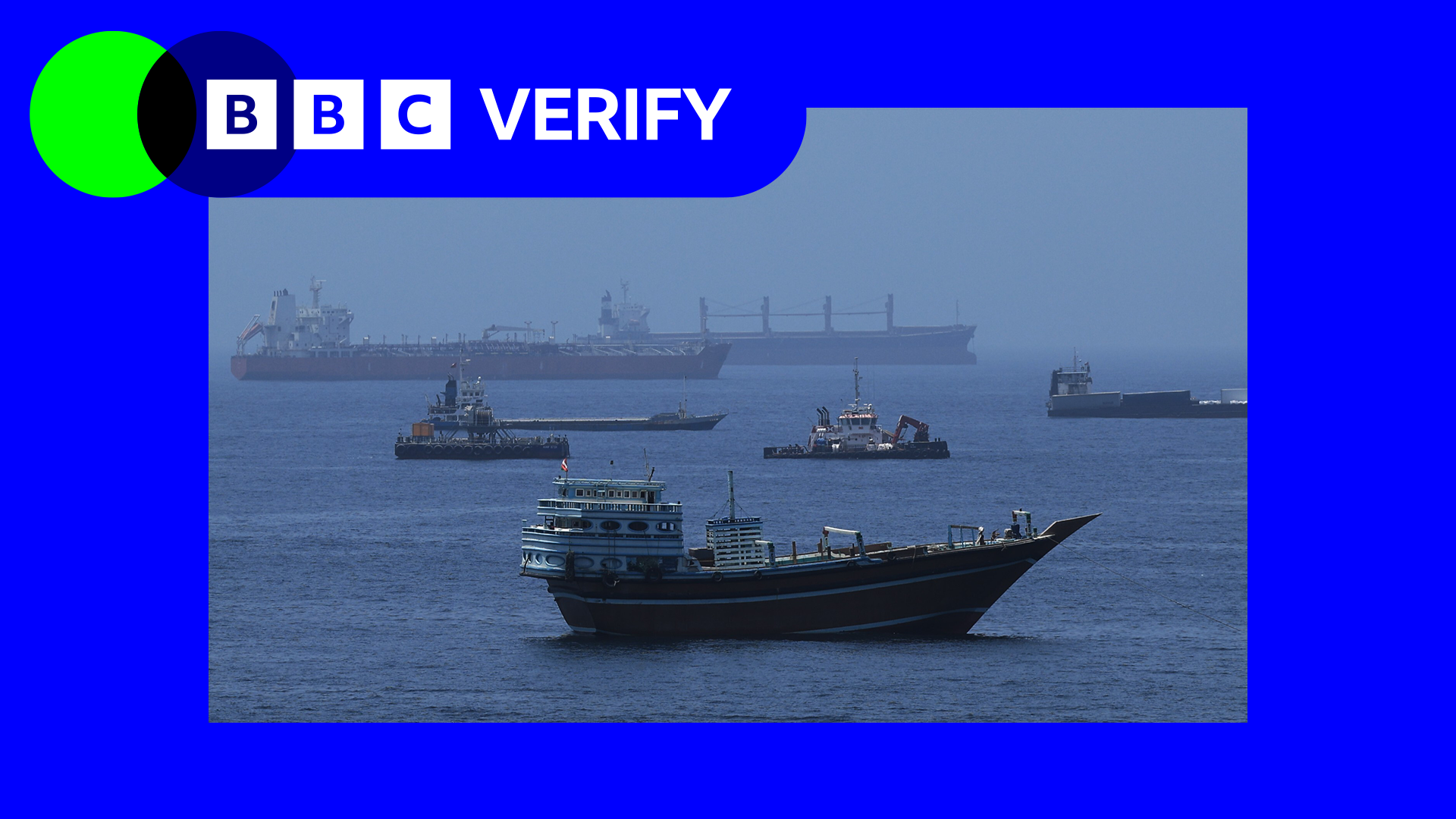
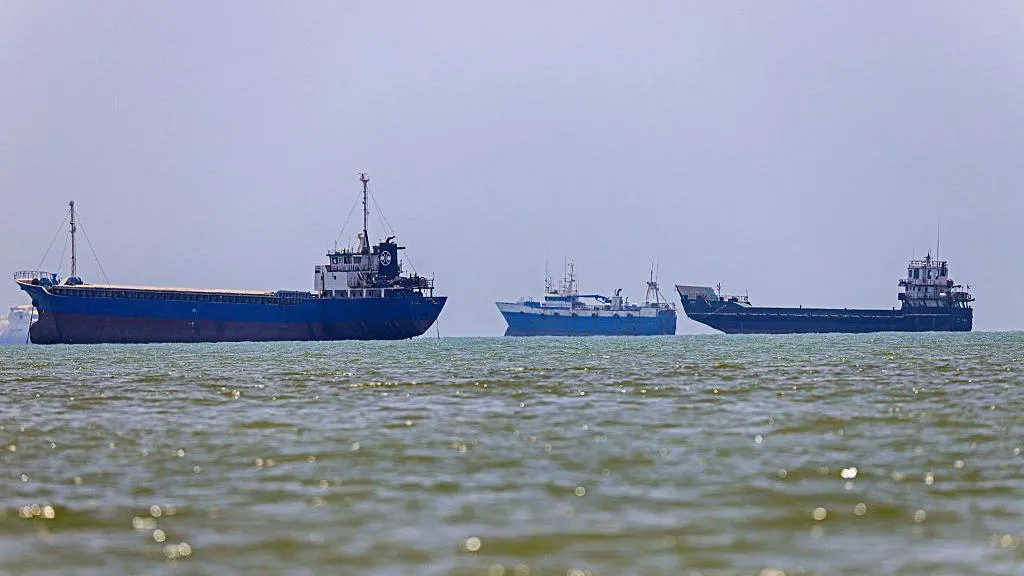
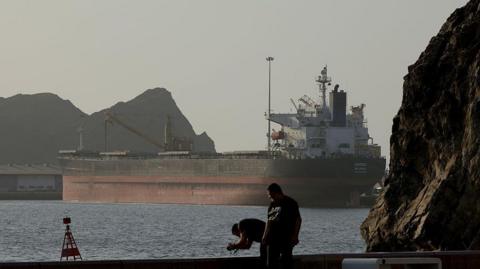
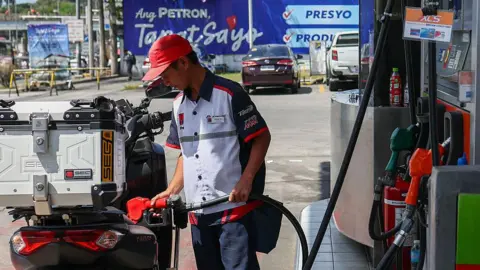
The Philippines, which imports 98% of its oil from the Gulf, recently became the first nation to declare an energy emergency as local fuel prices skyrocketed, doubling since the conflict commenced on February 28.
The ongoing Iran situation has sent shockwaves through international energy markets, causing significant price hikes and supply constraints. Marcos commented that the emergency declaration would empower the government to implement necessary measures to stabilize energy supplies and protect the economy.
Additionally, the Philippine ambassador to the US indicated ongoing discussions to secure exemptions that would facilitate oil imports from US-sanctioned nations, highlighting the strategic ties between the Philippines and the US.
Meanwhile, the emergency declaration has drawn criticism from labor groups like Kilusang Mayo Uno (KMU), which accused the government of ineffectively addressing the oil crisis, despite earlier claims of stability. Concerns have been raised regarding potential restrictions on workers’ rights amid rising tensions and organized strike actions planned by transport unions unhappy with the rising costs and government response.
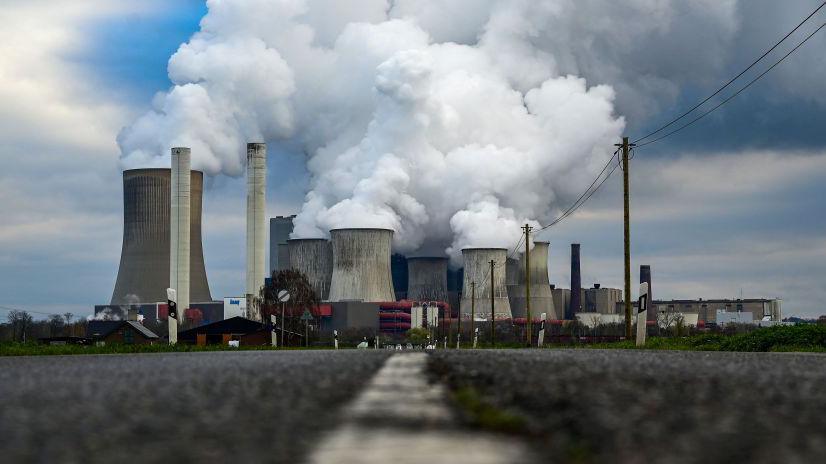
In an attempt to mitigate the impacts, the government has proposed various measures, including subsidies for transport drivers, modifications to ferry services, and alternate work arrangements for civil servants. Energy Secretary Sharon Garin mentioned that the country has about 45 days of fuel remaining and indicated a temporary shift towards coal-fired power to satisfy energy needs during this crisis.
The crisis reflects growing unrest among Filipinos as transport workers and other coalitions gear up for planned protests demanding governmental action to rollback fuel prices and improve economic conditions.
}