In brief
Independent ballistic experts confirm that injuries sustained by protesters in Delhi on July 20 were caused by pellet guns, a tool generally banned for crowd control. Doctors treated several individuals with dozens of lead pellets lodged in their bodies, including a journalist and a student. The use of pellet guns would mark the first such incident in India’s capital. Authorities have denied the claims, and the matter remains under investigation.
Independent ballistic experts tell the BBC that injuries sustained by some protesters during the July 20 crackdown in Delhi were caused by pellet guns.
Violence erupted on 20 July when tens of thousands of demonstrators marched toward Parliament demanding education reforms and the resignation of the education minister. Police and paramilitary units used wooden sticks, batons and tear gas, and Delhi Police recorded 60 protesters and 118 personnel injured. The CJP claimed many more were wounded.
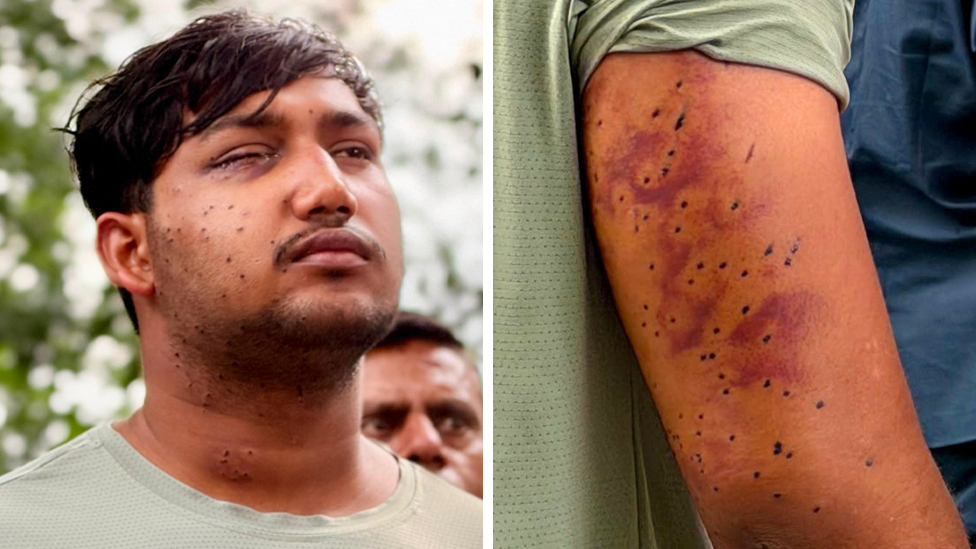
The government has yet to confirm that pellet guns were used, but the BBC has verified four cases where protesters were treated for wounds consistent with pellet‑shot injuries. An X‑ray of a 28‑year‑old journalist showed 26 pellet wounds on his right arm and upper back, while a 19‑year‑old student carried dozens of holes across his torso.
Pellet guns fire shells of 200‑400 small lead pellets, creating a wide arc of projectiles that can damage civilians at extended ranges. UK‑based forensic scientist Philip Boyce noted the minute circular wounds as a “tell‑tale sign” of birdshot. NR Jenzen‑Jones from the UK’s ARES highlighted the toxic lead risk and life‑threatening potential.
If confirmed, this would be India’s first use of pellet guns in its capital. The Central Reserve Police Force has denied possession of such weapons and the lawsuit remains pending.
Government minister Jitendra Singh has said only tear gas was used, not bullets or pellet guns, and the parliament debate continues as opposition leader Rahul Gandhi demands accountability.
For further updates, follow PulseWire.