In brief
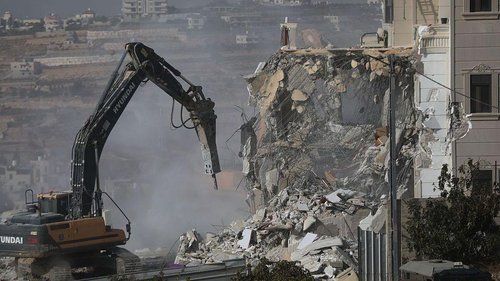
The destruction caused by Israel's military actions has introduced a silent threat: asbestos contamination in rubble, posing severe health risks to the population.
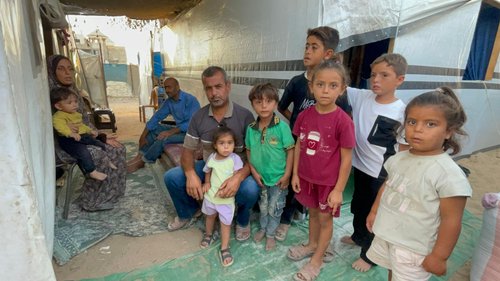
As the ravages of war unfold in Gaza, a hidden adversary emerges from the debris: asbestos, a notoriously harmful material. Once common in building materials, asbestos releases tiny, toxic fibers into the air when disturbed, leading to serious health consequences including cancer over time. Though banned in many countries, the mineral is still found in older structures across Gaza, particularly in roofing materials located in refugee camps established after the 1948 conflict.Recent assessments by the United Nations Environment Programme (UNEP) suggest that approximately 2.3 million tons of rubble in Gaza could harbor asbestos. Experts emphasize that the local environment is perilously toxic, with the risks extending beyond immediate injuries to potentially decades-long health crises for residents, notably children. Professor Bill Cookson from the National Centre for Mesothelioma Research warns that even minimal exposure can result in diseases such as mesothelioma, an aggressive cancer that emerges years after exposure.Dr. Ryan Hoy, a researcher focusing on dust inhalation, notes that asbestos fibers are imperceptibly small, making inhalation virtually unavoidable given Gaza's dense population of around 2.1 million within a 365 square kilometer area. The urgent dangers posed by ongoing military actions overshadow these health risks, causing residents to prioritize immediate survival over concerns about asbestos exposure.Visibility and understanding of asbestos hazards among the population remain limited. Many individuals lack awareness about the long-term implications of dust and debris resulting from airstrikes and military operations. Reports following a similar conflict in 2009 had already highlighted the presence of asbestos in debris, including walls and roofing materials.Globally, over 68 countries have prohibited asbestos use, while Israel itself enacted a ban on its use in buildings in 2011. While exposure can lead to various cancers and respiratory diseases — alongside effects from inhaling silica dust from concrete — the repercussions in Gaza may extend well beyond the immediate fatalities from warfare.In the wake of destruction, proposed reconstruction plans by the US and Arab states face significant hurdles, emphasizing the need for meticulous management of asbestos-contaminated rubble. A UNEP estimate suggests that clearing debris could span up to 21 years and cost around $1.2 billion, with concerns that removal efforts could disturb and release hazardous fibers into the air. As the conflict in Gaza continues, with death tolls reportedly exceeding 53,000, the ever-present risk of asbestos-related illnesses presents a stark reminder of the long-term consequences wrought by war — a threat that lingers long after the immediate violence ceases.