Optogenetics Stars as 2026 Nobel Prize Laureates Light the Brain
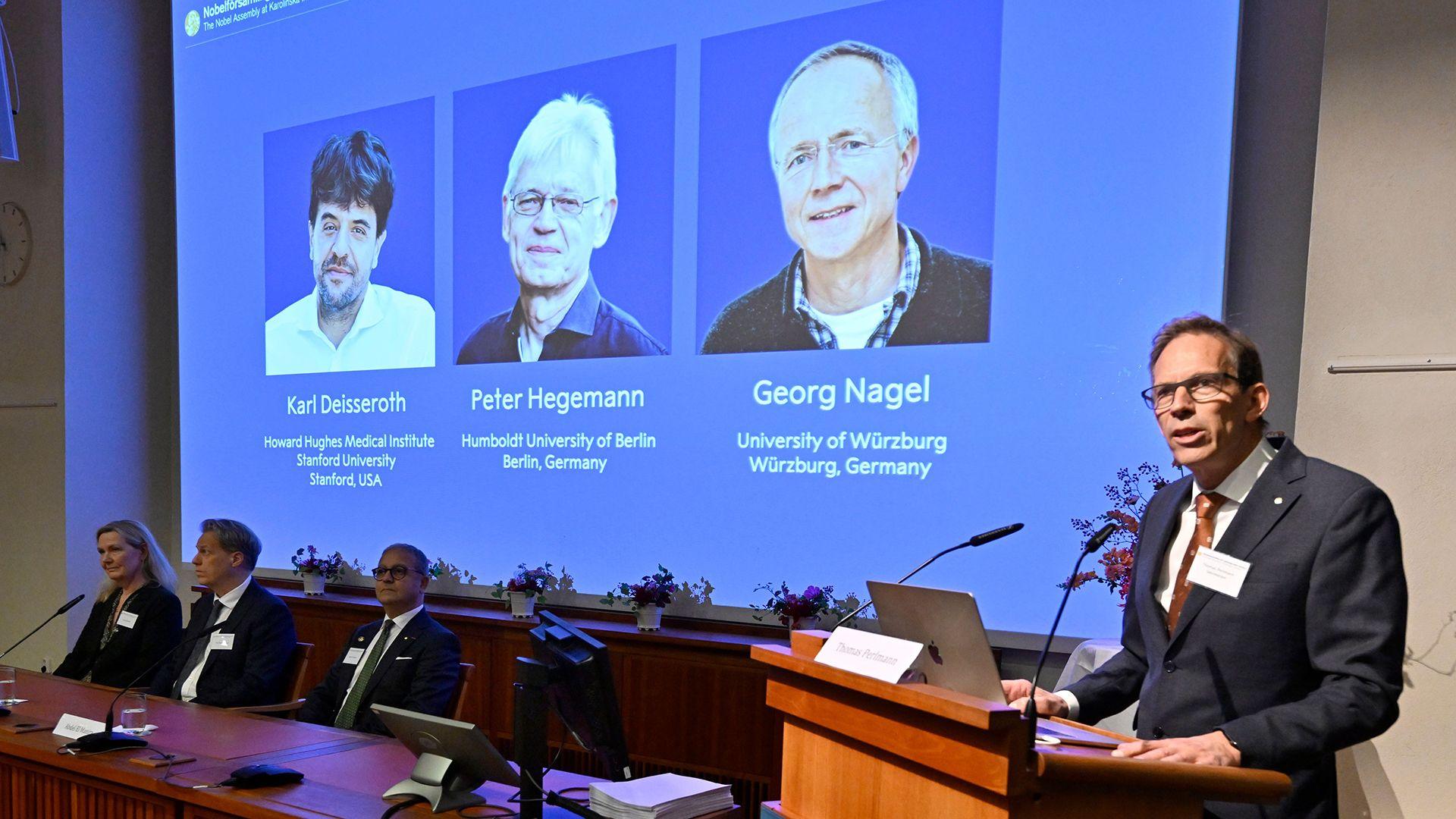
BREAKING: In a ceremony held at the Karolinska Institute in Stockholm, the Nobel Committee announced that U.S. psychiatrist Karl Deisseroth and his German colleagues Peter Hegemann and Georg Nagel have received the 2026 Nobel Prize in Physiology or Medicine for pioneering optogenetics—a technique that uses light‑sensitive proteins to switch brain circuits on and off.
The trio was lauded by the Nobel Assembly as “absolutely wonderful” for opening a new era in neuroscience, revealing the inner workings of the mind and offering a framework for treating psychiatric and neurological disorders.
Optogenetics relies on a protein, channelrhodopsin, derived from algae, that lets researchers illuminate neural pathways with precise wavelengths of light. Deisseroth first demonstrated the technique in mice, allowing scientists to target and monitor specific neural circuits involved in memory formation, emotion, and behaviour.
Beyond basic science, optogenetics is already showing promise in clinical trials. Early studies have used light‑activated proteins to restore partial vision in patients with retinitis pigmentosa. By inserting the protein into damaged retinae and delivering targeted light through specialised glasses, some patients regained sight of shapes and light patterns.
At the ceremony, the laureates expressed gratitude for the award and highlighted their excitement about future applications that could transform treatment for blindness and other conditions.

Image: Nobel Committee Secretary General Thomas Perlmann speaking to the media in front of a screen displaying the names of this year's laureates (AFP via Getty Images).
Related topics: Health, Medicine, Nobel Prize.