As dawn approached on October 7, 2023, many festival-goers at the Nova music festival near Gaza's border were under the influence of recreational drugs like MDMA and LSD when Hamas gunmen launched their deadly assault. Neuroscientists from Israel's Haifa University are now investigating whether MDMA, also known as ecstasy or molly, contributed to a form of psychological protection for these survivors.
Preliminary findings from this study, still in peer review, suggest that those who used MDMA exhibited more positive mental states both during and after the attack, particularly when compared to those who abstained from any substances. Prof. Roy Salomon, a leading figure in the research, noted that this is the first time mass trauma has been studied in a context where large groups were taking mind-altering drugs.
The attack claimed 360 lives and involved the kidnapping of numerous individuals amidst the chaos, impacting around 3,500 attendees. According to Prof. Salomon, data indicates that those who ingested pure MDMA before or during the attack coped better emotionally during the subsequent months. Participants reported improved sleep, less mental distress, and a general sense of wellbeing.
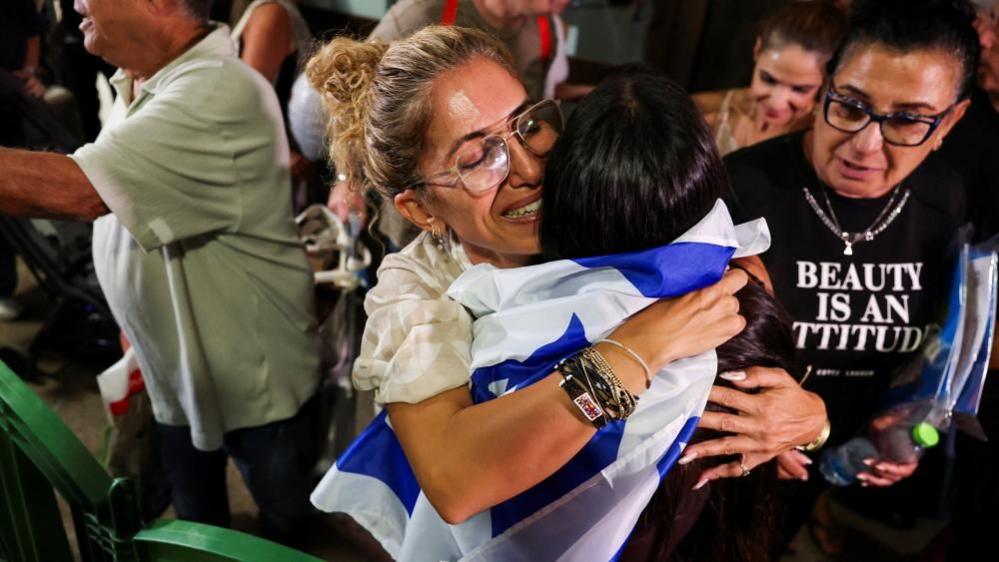
The study posits that MDMA encourages the release of pro-social hormones like oxytocin, which can foster feelings of bonding and solidarity, potentially aiding those fleeing from danger. Survivors such as Michal Ohana have expressed gratitude for MDMA's perceived role in their survival, attributing their emotional resilience to the drug, which helped them detach from the horrors around them.
While MDMA’s use in treating PTSD is being explored across multiple countries, including Israel where it is classified as illegal except under research settings, international regulatory bodies remain cautious. Past studies in the U.S. have faced skepticism regarding the longevity of therapeutic effects and concerns over potential health risks.
Dr. Anna Harwood-Gross, a clinical psychologist engaged in trial MDMA therapy for PTSD among military veterans, remarked on the study's significance for therapy practices. She recognizes the delicate balance between facilitating healing and the risks posed by ongoing conflict, noting that even amidst trauma, MDMA could provide avenues for recovery.
As the psychological landscape in Israel shifts following the October attacks, experts are faced with addressing the extensive caseload of trauma in society. Traditional approaches to therapy are being reassessed, advocating for longer sessions and holistic engagement with clients, reflecting an evolving understanding of trauma recovery.
The mental health crisis extends beyond Israeli survivors to the population in Gaza, which has suffered tremendously amid ongoing conflict. While a temporary truce has allowed for some respite, the underlying issues remain unresolved, hindering any chance for collective healing.
As survivors navigate their traumas, many, including Ohana, find that the expectation to return to normal life is overwhelming. The mental scars linger, compelling an urgent need for ongoing support and acknowledgment of their experiences, which are often overlooked by society as time progresses.