In brief
Francis Clifford Smith, convicted for a 1950 murder, received a last‑meal order eight times when his execution was repeatedly suspended. He spent more than seventy years in prison, taking brief absences before finally entering old‑age care under supervised parole. Smith’s death highlights the growing issue of aging inmates and the need for better compassionate release policies. Experts say more than a billion older prisoners worldwide face similar challenges, prompting calls for specialized care facilities.
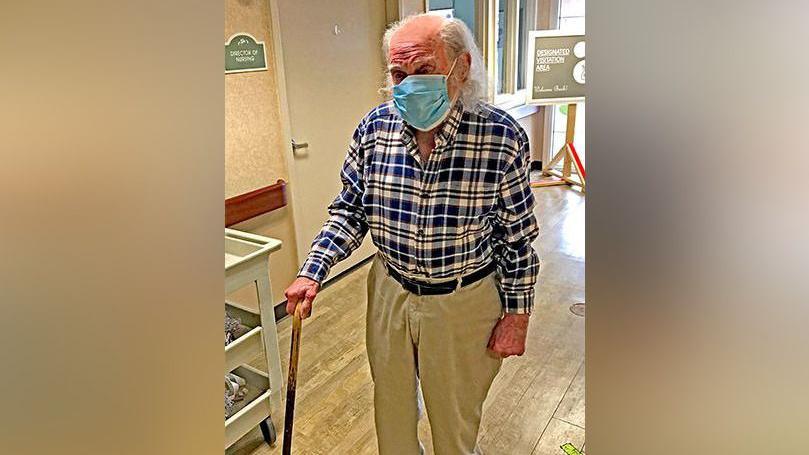
Francis Clifford Smith, a 25‑year‑old convicted of first‑degree murder in 1950, was granted a last‑meal order eight times after his execution was repeatedly revoked. After more than seventy years in the system, he died in June at 101, the oldest inmate in America.
Smith’s conviction was once questioned: witnesses later recanted, and another inmate confessed to the crime. An officer who interrogated Smith claimed he did not seem to have been at the murder scene.
He escaped twice (1967 and 1975) and spent short periods outside, but finally re‑entered prison in 2020, where he lived in a nursing facility under the MissionCare Health scheme that focuses on care for incarcerated elders.
“He did pretty well as far as longevity is concerned,” noted a department official. Smith reportedly had dementia near the end of his life.
Researchers point out that a 2025 study shows a nearly 400‑percent rise in people 55+ in prison between 1991 and 2021, and forecasts that by 2030 one‑third of inmates will be over 50. The findings fuel the push for “smart de‑carceration” programs such as compassionate release and elderly parole, though facilities willing to house convicted aging prisoners are limited.
Smith’s case reminds courts that many inmates, like him, require tailored medical and safety support due to accelerated ageing in confinement, requiring reforms to protect the health of older prisoners.