In brief
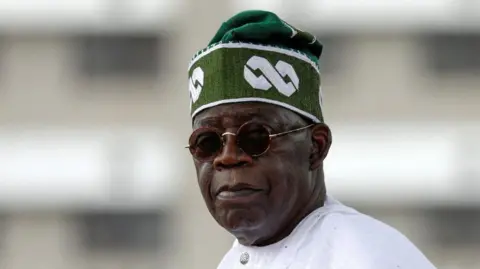
Sixteen Nigerian officers accused of attempting to unseat President Bola Tinubu are set to face a military court following an investigation into their alleged coup-plotting activities last year. The announcement comes amidst heightened military vigilance in the region as Nigeria maintains a stance of loyalty to civilian governance.
A group of officers in Nigeria are set to face a military court after being accused of plotting to overthrow the government of President Bola Tinubu last year, as reported by armed forces' statement.
Sixteen officers were arrested last October following what were termed acts of indiscipline and breaches of service regulations. Although the military initially dismissed rumors of a coup attempt, subsequent investigations revealed sufficient grounds to refer some of those arrested to a military judicial panel.
Nigeria’s history is laden with military interventions in governance, having witnessed multiple coups from 1966 to 1993, making allegations of coup-plotting particularly sensitive in the current political climate.
It remains unclear how many of the sixteen officers will stand trial. However, military authorities emphasized their commitment to ensuring accountability and adhering to the principles of fairness and due process. The statement further noted that attempts to unseat the elected government contradict the military's ethical standards and professional values.
In recent years, public dissatisfaction and insecurity have driven speculation about dissent within military ranks—a claim consistently rejected by military leadership. Since 1999, Nigeria has been under continuous civilian rule, with the armed forces reaffirming their loyalty to elected authority.
This development arises amid a wider trend of coups in West Africa, where soldiers have toppled governments in Mali, Burkina Faso, Niger, and Guinea since the start of the decade. Notably, Guinea is now returning to democratic governance under the leadership of the junta's elected president, Mamadi Doumbouya.
As a traditionally stabilizing force within the Economic Community of West African States (ECOWAS), Nigeria's military will undergo intensified scrutiny and operational pressures, tackling threats from militant groups in the northeast and addressing chaos from banditry and communal violence in the northwest and central states.
Analysts suggest that these operational strains, combined with existing resource constraints and public scrutiny, render military discipline a focal point of concern.