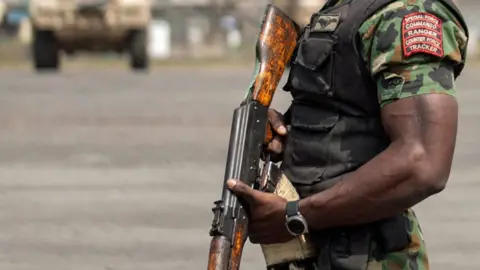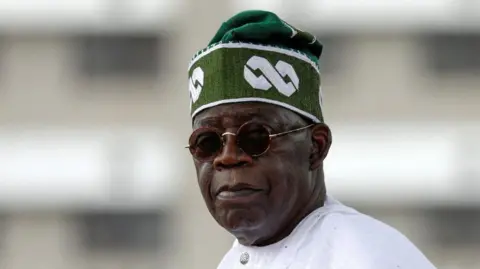
A group of officers in Nigeria are set to face a military court after being accused of plotting to overthrow the government of President Bola Tinubu last year, according to an armed forces' statement.
Sixteen officers were arrested last October following what was described as acts of indiscipline and breaches of service regulations.
At the time, the military dismissed rumors of an attempted coup, but after an investigation, authorities acknowledged that some of the 16 will face a military judicial panel.
Nigeria has a complex history of military involvement in politics, with multiple coups occurring between 1966 and 1993, making such allegations of coup‑plotting particularly sensitive.
While it remains unclear how many of the 16 officers will be tried, military authorities stated the process would ensure accountability and uphold the principles of fairness and due process.
The statement added that attempting to unseat an elected government was inconsistent with the ethics, values and professional standards of the military.
In recent years, instability, insecurity, and public frustration have occasionally sparked rumors of dissent within the military ranks—rumors that the armed forces have consistently dismissed.
Nigeria has enjoyed a period of uninterrupted civilian rule since 1999, with military leaders reaffirming their loyalty to civilian authority through public statements reiterating their commitment to democracy.
This development arrives at a time when West Africa has witnessed a resurgence of coups, with nations including Mali, Burkina Faso, Niger, and Guinea experiencing government toppleings by military forces. However, Guinea has recently restored democratic rule under former junta leader Mamadi Doumbouya.
These shifts have increased vigilance among regional governments, including Nigeria, a country that has defined its role as a stabilizing force within the Ecowas community.
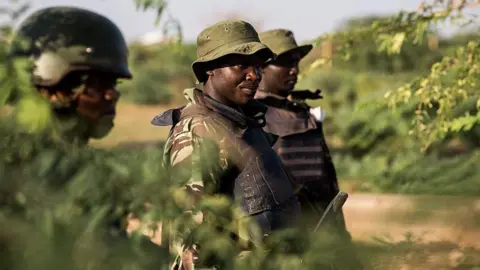
Within Nigeria, the military is under tremendous operational pressures; from combating militant jihadist groups in the northeast to addressing criminal and communal violence across the northwest and central states.
Analysts suggest that such stresses, compounded by resource limitations and public scrutiny, have increased focus on maintaining discipline within the armed forces.