In brief
Following a surge of anti‑migrant protests in South Africa, Nigerian citizens who abandoned their homes and businesses are demanding compensation from the South African government. Nigerian officials say the issue will be addressed at the highest diplomatic levels while the South African authorities maintain that many of those fleeing were in the country illegally. Reuters‑style eyewitness accounts from Lagos and Pretoria highlight the human cost of the conflict and the urgency of repatriation flights. Negotiations are beginning as Nigeria accumulates data on lost movable and immovable property. The dispute underscores mounting tensions over migration flows across the continent.
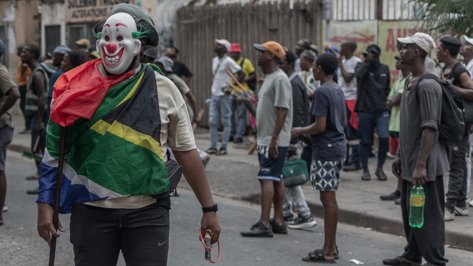
Nigeria’s foreign ministry has signalled that it will seek compensation for the properties of its citizens who fled South Africa during a chain of anti‑migrant protests that began in early June. The move follows reports that thousands of African nationals left the country, fearing violence and discrimination.
Foreign ministry spokesperson Kimiebi Imomotimi Ebienfa says the issue will be discussed at the highest levels between the two governments. “All claims will be verified before any formal request is made,” he added, emphasising that diplomatic ties remain intact.
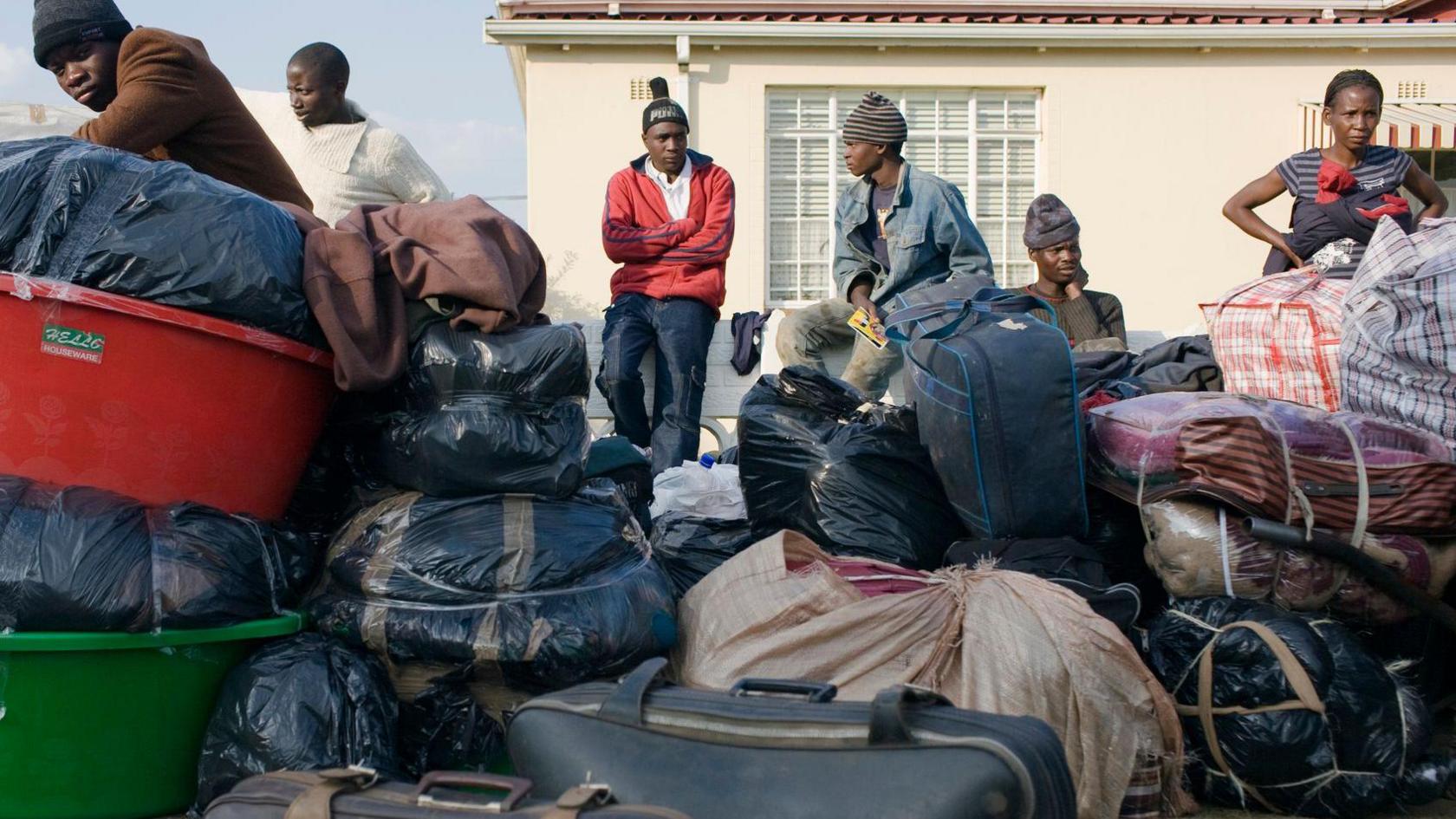
Acting High Commissioner to South Africa, Alexander Ajayi, confirmed that the Nigerian government has begun documenting abandoned businesses, homes, vehicles and personal property left behind by its citizens. A trader named Oghodero Erejor Wilson, 32, told the BBC he had run a clothing shop in Centurion in Gauteng province for almost a decade before abandoning it to flee to Lagos after feeling unsafe.
Wilson estimated the goods left in his shop were worth more than 16,000 rand (US$975; £735). He said his residency documents expired in 2021 and he could not renew them. “If South Africa’s government can compensate, it would be nice, but I know they won’t,” he said.
According to Nigeria, more than 600 Nigerians have been repatriated in recent weeks, though South African authorities argue that many of those departed were in the country illegally—a claim that Nigeria disputes. About 25,000 nationals of other African countries have also left South Africa following the wave of protests, which demanded further action to curb illegal migration. The protests were largely peaceful, but some incidents of violence against foreigners were reported.
Police in South Africa arrested roughly 900 people during the protests, mostly for immigration‑related offences and looting. While the Nigerian government is preparing to present documentation on lost property, it is unclear how South Africa will respond or what compensation package might be offered. The negotiations are currently underway, with the BBC seeking comments from South African officials on the compensation demand.