In brief
Following catastrophic floods that killed hundreds, Nepal’s Prime Minister Balendra Shah has announced a strict crackdown on online abuse toward survivors. Victims who use social media to seek help have been met with hostile remarks, prompting police to investigate the sources of the comments. The government has set up a 10‑member committee to enforce the Electronic Transactions Act, which allows up to five years’ imprisonment and large fines for defamation. Critics say some rages stem from ‘rage‑baiting’ or political polarization. Authorities urge the public to offer empathy rather than blame as rescue efforts continue.
Nepal’s flood survivors face more than physical loss
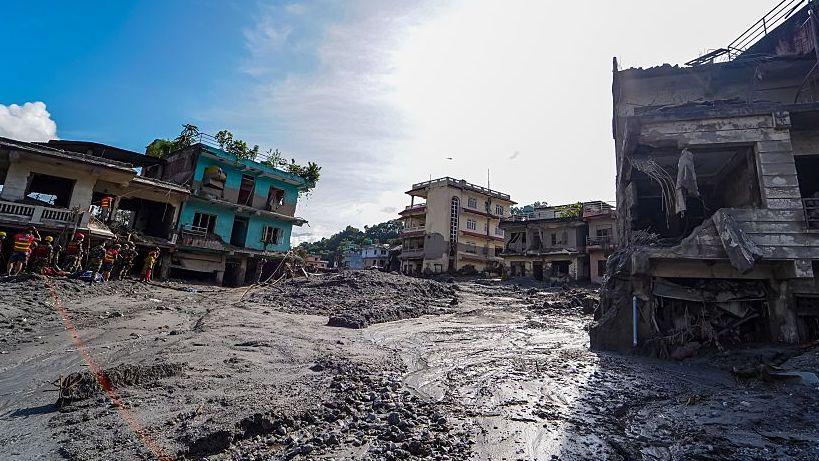
A week after the worst floods in a generation raged across the eastern hills, the government is stepping up a new kind of rescue—against the words of those social media users who have criticised the state’s response.
Prime Minister Balendra Shah, in a Facebook post, warned, “People who make unnecessary remarks, belittle those in pain or seek to cause them further suffering at this sensitive time are criminals.” He promised that authorities would take no leniency towards anyone who humiliates survivors.
Many families have posted urgent pleas online, hoping compassion would speed rescue operations. Instead they have received harassing comments. One woman, who had been searching for her brother missing since the floods hit two weeks ago, said her criticism of the rescue efforts triggered a torrent of “nasty” replies that compounded her grief.
A viral clip of a woman’s angry protest about her husband’s missing status illustrated the darker side of the online storm. Comments encouraging her to “jump into the river” or dismissing her grief earned widespread backlash—yet they also elicited some sympathetic voices calling for restraint.
Police have dispatched a 10‑member committee to trace the origin of these comments, identifying posters’ addresses and phone numbers. The act of defamation or harassment on social media falls under the Electronic Transactions Act, which carries up to five years’ prison, a fine of 100,000 rupees ($662; £490) or both.
Dovan Rai, executive director of Nepal’s Body & Data, explained that many of the aggressive posts stem from “rage‑baiting”—content intentionally designed to evoke outrage and compel clicks. He warned of a politicised “extremism” that vehemently supports the government and discourages dissent.
The authorities have called for a culture shift: survivors’ pain should be met with comfort, not scorn. As rescue squads continue to comb the flood‑hit villages, the digital space remains a high‑stakes frontier where empathy must triumph over internet vitriolence.