In brief
As competition heats up among weight-loss drug manufacturers in the U.S., consumers like Ruth Gonzalez face high costs despite recent price cuts. Many are forced to navigate affordability while health insurance often refuses to cover weight-loss medications. The situation underscores the complexities of drug pricing and access in a country where obesity rates are alarmingly high.
The U.S. weight-loss drug market is undergoing a fierce battle as pharmaceutical companies vie for dominance. The recent price changes reflect a deeper competitive strategy aimed at capitalizing on the rising demand for effective weight-loss solutions in a country where nearly 40% of adults are classified as obese.
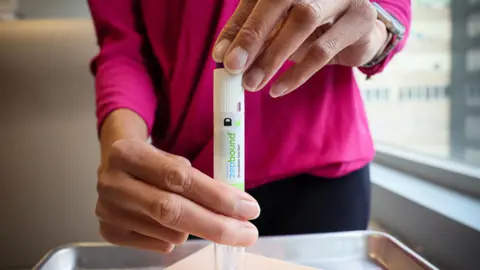
Ruth Gonzalez's experience illustrates the landscape of challenges residents face; she struggles to afford the monthly cost of Zepbound, the effective drug that helped lower her blood pressure and aided her weight loss journey. Despite adjustments to her budget—like cutting streaming services and grocery spending—her journey also highlights how price adjustments made by Eli Lilly have impacted customers.
While the cost of Zepbound has become more manageable, many still find price barriers insurmountable. The competition has driven drugmakers to explore direct-to-consumer sales strategies, which may disrupt conventional pricing models and highlight the need for greater transparency in drug pricing.
Additionally, challenges persist despite price cuts, as many insurance companies continue to deny coverage for these medications. The recent policy changes from the Trump administration to cover certain weight-loss drugs under Medicaid signal a potential shift, yet advocates argue that a comprehensive solution is necessary to ensure access for all consumers.