In brief
The National Assembly of Nicaragua is debating new legislation that could exclude opposition groups from forthcoming elections, a move endorsed by President Daniel Ortega whose recent remarks warned opposing parties of a futile bid to seize power. Ortega’s comments, delivered on the anniversary of the 1979 Sandinista revolution, were met with condemnation from UN human rights chief Volker Türk and U.S. Secretary of State Marco Rubio, with both emphasising the importance of free political competition and collective consent. Critics point to Ortega’s long‑standing authoritarian style, typified by imprisonment and exile of opponents, and the 2025 constitutional reform that extended his term and formally installed spouse Rosario Murillo as co‑president. Despite a climate of fear stemming from past crackdowns—including the 2018 suppression that claimed over 300 lives—exiled opposition figures insist the president’s new proposals are a last‑ditch effort to turn Nicaragua into a single‑party state.
The National Assembly of Nicaragua is debating whether to hire a legal wall that would bar opposition parties from running in the next elections, with a vote slated for the first week of August.
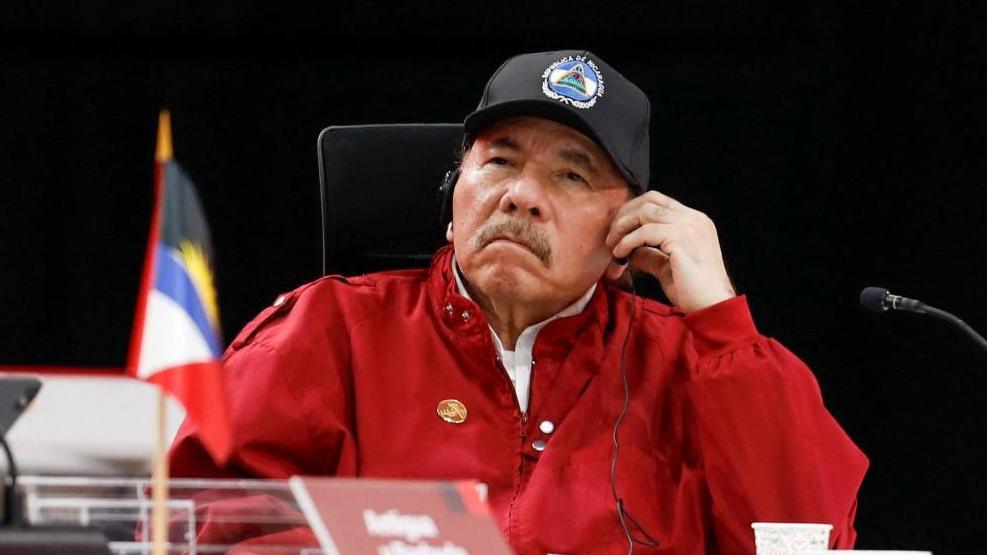
President Daniel Ortega, who has ruled since 2007, made the comments on the anniversary of the 1979 Sandinista revolution, stating that there would be *no more elections* for the opposition to “seize the government, to seize power.”
The remarks were quickly condemned by UN Human Rights Chief Volker Türk, who warned that people of all political viewpoints must be allowed to vote and run for office, and by U.S. Secretary of State Marco Rubio, who slammed Ortega’s rule as “true authoritarian.”
Ortega’s tenure has seen the jail of opponents, the exile of activists, and stripping of citizenship. His recent speech accused the opposition of being financed by the U.S. and “conspiring to organise parties to try and win an election,” citing “laws that would create a wall” to block a coup.
Rubio added that the president and his wife, Rosario Murillo—named as Ortega’s co‑president in February 2025—had “abandoned even the pretense of popular consent.”
Gustavo Porras, head of the Assembly, defended the proposal, saying it was about “not leaving even a crack” for opposition footholds. He noted the Assembly had braced to tighten electoral rules.
Elections were last held in November 2021, resulting in a one‑sided contest won by Ortega after a brutal crackdown on opposition. Rival candidates with potential support were detained, disqualified or thrown out of exile; only a handful of obscure candidates were permitted to stand.
In November 2025, the Assembly passed a constitutional reform extending the presidential term to six years and formally adding Murillo as co‑president, who may step into the role if Ortega is “permanently absent.”
While few Nicaraguans publicly critique Ortega—given the 2018 force that killed over 300 demonstrators—exiled opposition politicians denounce the latest regime plans.
Juan Sebastián Chamorro warned that Ortega seeks to make Nicaragua a “one‑party country” akin to China, North Korea, and Cuba; Felix Maradiaga, a former opposition candidate jailed under Ortega, said the move proves the president’s fear of dissent and the persistence of a desire for change.