In brief
NASA's Artemis II crew is celebrating the successful repair of their malfunctioning toilet as they embark on a lunar mission. While temperatures inside the Orion capsule are chilly, the astronauts marvel at Earth views and prepare for a translunar injection. The mission aims to support the Artemis program and future moon landings.
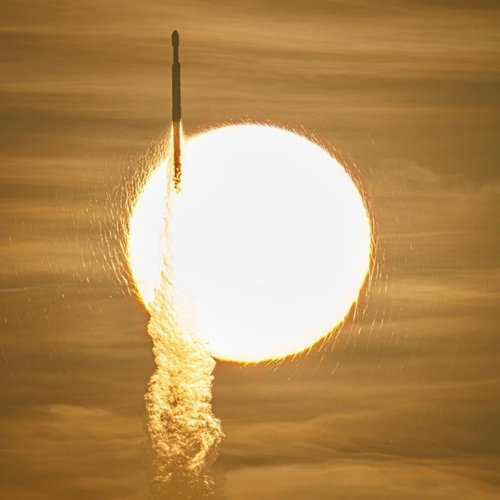
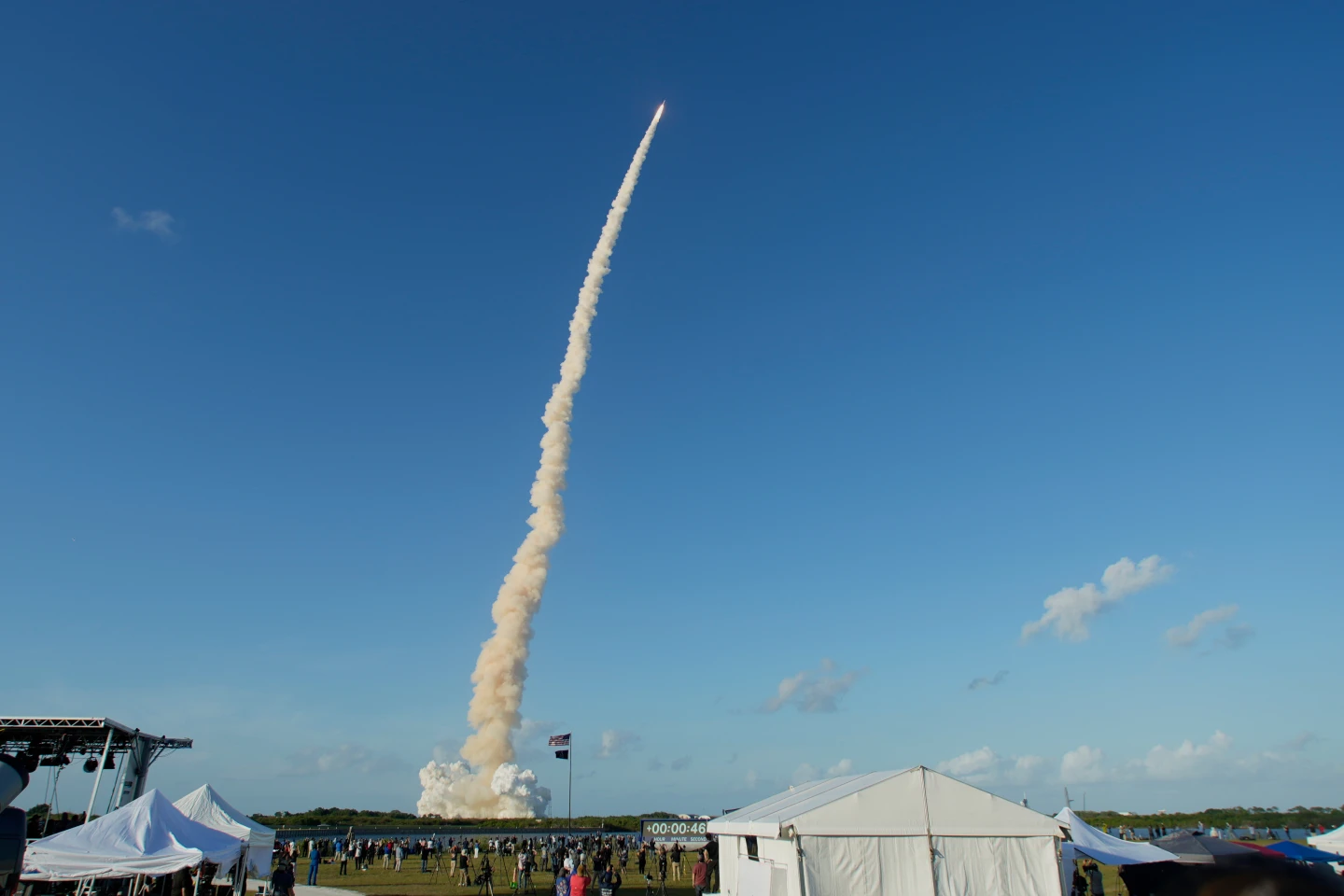
CAPE CANAVERAL, Fla. — NASA's moonbound astronauts are in high spirits, not just for their successful launch but also because their toilet is now working. The lunar loo faced issues shortly after the Artemis II crew entered orbit, but astronaut Christina Koch managed to get it functioning after guidance from Mission Control.Despite the good news about the toilet, the temperature in the Orion capsule is a chilly 65°F (18°C), prompting the astronauts to dig into their suitcases for warmer clothing while they eagerly await a chance to warm up.Comprising three Americans and one Canadian, the crew is on track to break free from Earth’s orbit and head towards the moon for a historic fly-around. This marks Mission Control's first translunar injection since Apollo's final mission in 1972.Meanwhile, Koch and her team are enjoying breathtaking views of Earth from tens of thousands of miles away. Absolutely phenomenal, Koch reported, reminiscing about her time at an Antarctic research station.The mission, which is scheduled to conclude with a splashdown in the Pacific on April 10, is a test flight vital to the Artemis program, aiming for a moon landing with astronauts in 2028. Although the new toilet design may need tweaks, having any functioning toilet onboard is a significant advantage compared to missions in the Apollo era, where astronauts had to rely on bags due to space constraints.The Orion capsule’s innovative toilet system, based on a design used on the International Space Station, uses air suction to manage waste, a significant improvement to accommodate female astronauts better. Until the toilet was operational, Koch and her crewmates had to employ a makeshift system for urination.This mission is not only a step forward for NASA but also a journey of camaraderie, engineering resilience, and astronomical wonder.