In brief
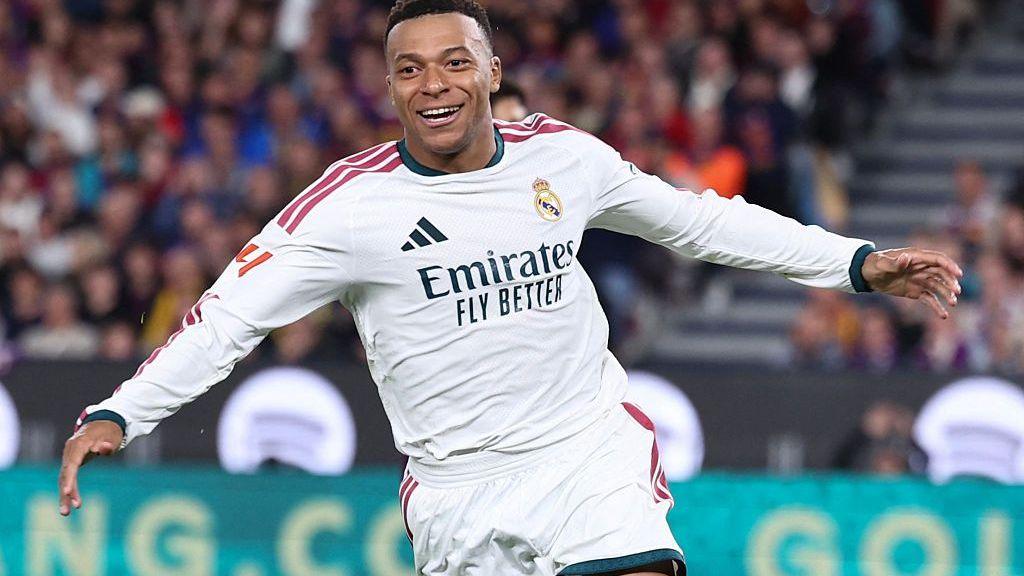
French striker Kylian Mbappé has publicly apologized for a meme referencing Mao Zedong that ignited a wave of outrage on Chinese social media. The comments, made during a talk‑show interview, led to several Chinese companies cutting ties with the star and La Liga issuing a formal apology. Chinese authorities warned against actions that offend national sentiment, and state media halted coverage of Real Madrid and related broadcasts. Despite a handful of supportive comments, the incident has highlighted the fragility of brand relationships in politically sensitive markets. The fallout continues to reverberate through sponsorship agreements and fan discussions online.
Mbappé apologises after backlash over Mao Zedong meme in China
Kylian Mbappé has issued a statement saying his comments about the late Chinese leader Mao Zedong were “ill‑judged” and that he now understands why they hurt many people in China and the Chinese diaspora.
The remarks were taken from a clip of the French star speaking to the radio program The Bridge, where he laughed at a meme that superimposes Mbappé’s face onto an image resembling Mao, calling the video “the one where there’s a video of a guy, I think it’s a Chinese dictator…” The joke is part of an internet running gag that labels Mbappé the “dictator” for his influence on the pitch.
The clip blew up after being circulated on Chinese social media, where Mao is a protected historical figure and any mockery is seen as a challenge to the Communist Party’s narrative. Within hours, hashtags such as #MultipleBrandsTerminatePartnershipsWithMbappé trended on Weibo and users demanded actions against the striker and Real Madrid.
Branded fallout
Major Chinese brands that had partnerships with the footballer pulled their support. Mengniu, the country’s largest dairy producer, released a statement saying it “firmly opposes and has a zero‑tolerance policy towards any words or actions that hurt the feelings of the Chinese people.” Dongpeng, a drinks giant, echoed the sentiment and called for an end to any associations that offend national feelings.
State broadcaster CCTV’s news apps reportedly stopped featuring content about Mbappé, and the channel halted coverage of La Liga’s matches. La Liga itself apologized, stating it “deeply regrets the offence that Kylian Mbappé’s recent comments have caused among Chinese fans.”
Government response
The Chinese foreign ministry spokesperson Lin Jian said the country had taken note of the reports and that actions that hurt the feelings of the Chinese people would meet with opposition from all sectors of society.
Why Mao is a sensitive figure
Mao Zedong founded the People’s Republic of China in 1949 and led the country through the Great Leap Forward and the Cultural Revolution, both of which caused millions of deaths and widespread persecution. Even after his death in 1976, the party continues to hold him up as an unblemished martyr, making jokes about him politically taboo.
Mbappé’s position
Mbappé is regarded as one of the best footballers globally, but the “dictator” nickname has spawned a range of memes. He has expressed that while many memes are harmless, others reveal a “lack of political and human awareness,” especially when compared to historical dictators who caused suffering.
Despite his apology, the incident demonstrates how cultural sensitivity can instantly translate into commercial disruptions in markets like China, which is a key revenue source for international sports stars. The situation remains live‑tracking on Weibo, with trending topics reflecting how quickly social sentiment can dictate brand alliances.
The distracted clips from the interview are no longer available on YouTube, and the exact air date of the segment remains unclear. This has made it hard for viewers to verify his precise words, intensifying the debate over the meme’s impact.
Readings of the situation have reached beyond just football fans, illustrating the power of cross‑border social media movements in shaping the commercial fates of high‑profile athletes. Mbappé’s case underscores the delicate balance celebrities must strike between humor and respect for cultural sensitivities in an increasingly connected world.