In brief
Scientists are starting to question the integrity of AI‑powered research after a disputed claim of a solution to the Navier–Stokes equations. The dispute unfolded when a small team of researchers used OpenAI’s Codex to store their work, triggering concerns that the AI might have seen their drafts without their permission. The episode has highlighted wider worries about AI‑generated mistakes in academic publishing and the erosion of trust in peer review. It also illustrates how large language models can both accelerate discovery and blur the line between genuine insight and algorithmic hallucination.
A team of mathematicians found themselves at odds over claims that an artificial intelligence model may have solved the Navier–Stokes equations – a problem that has puzzled scientists for more than a century.
The fallout began when a pair of researchers from New York University and a rival tech firm used the code‑generation tool Codex to draft their manuscript. According to one of the team members, the next day OpenAI announced that its AI had solved the problem in less than a day, and he suspected that the company had gained access to their drafts.
OpenAI denies that any of its internal models saw the work before publication. It has said it could not rule out the possibility that anonymised data from its services had shaped the system, but later clarified that the prompts the two scientists had submitted could not have influenced the outcome.
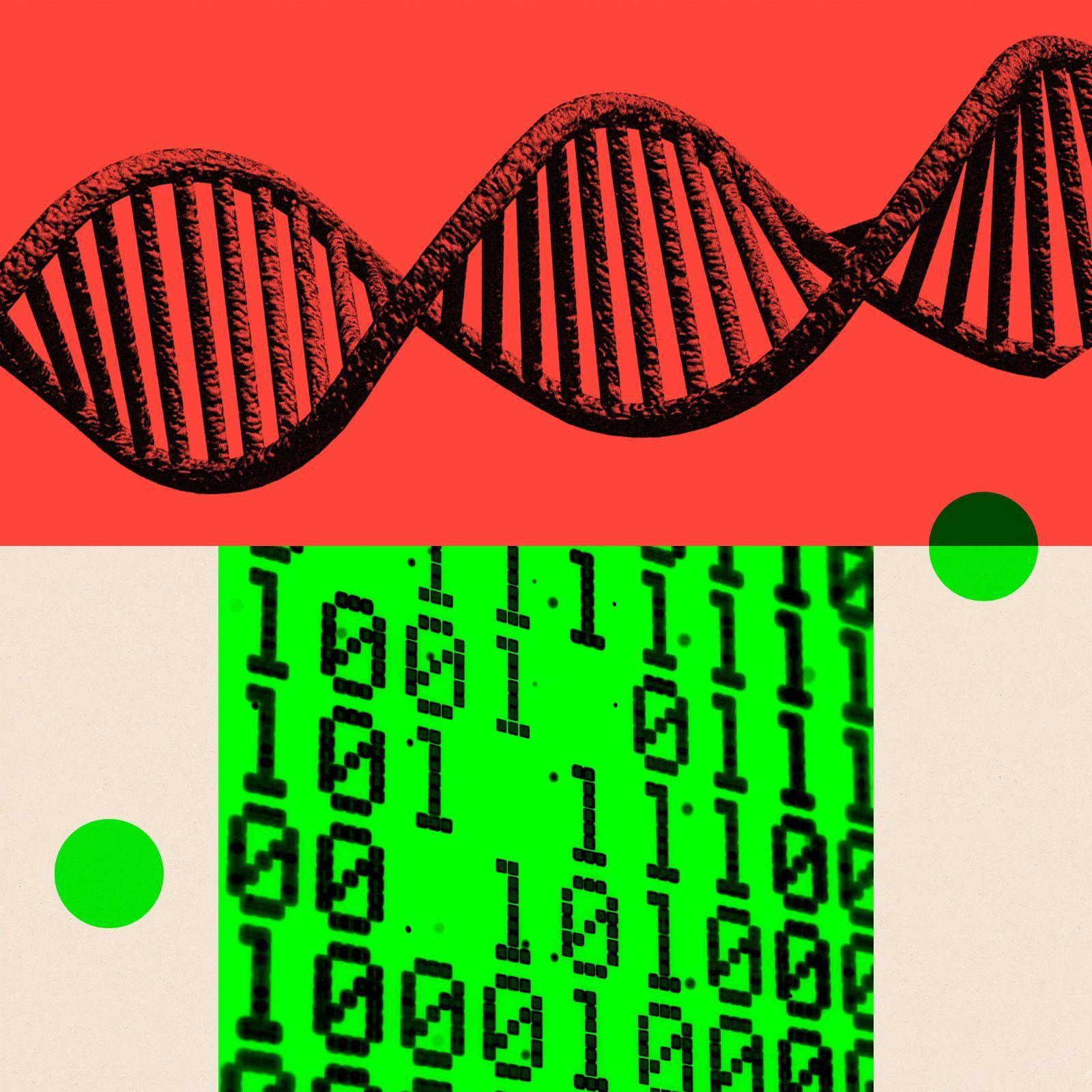
Meanwhile, another start‑up called Basecamp Research is quietly building a library of DNA‑encoded data in a former London watch factory. Their goal is to store vast quantities of genetic information so an AI can learn the language of biology, parallel to how language models learn from the written internet.
Basecamp’s co‑founder believes that such a system could supercharge scientific discovery. Yet the rapid rise of AI‑generated content has raised alarm that research can be distorted or outright fabricated, eroding the trust that underpins peer review and journal publishing.
Industry voices warn that publishers must beef up integrity checks: Elsevier reports 100 signals to flag problematic papers, and journals forbid AI‑generated images or references. Some researchers have already found that up to 17% of peer‑review comments on major conferences appear to have been rewritten by a language model.
DeepMind’s AlphaFold, which predicted protein structures with unprecedented speed, is often cited as a watershed moment for AI in science. Yet when a new AI model was claimed to have uncovered two million new crystal structures, chemists from the University of California found that most were trivial variations on known materials.
These stories illustrate a broader pattern: AI can help scientists design experiments and spot patterns, but it can also produce “slop” – fabricated citations and phantom papers that feed back into the literature. The risk is that researchers chasing novelty may be guided by algorithmic hype instead of solid evidence.
In the wake of these controversies, scholars urge a human‑in‑the‑loop approach. “The machine can suggest a hypothesis, but the scientist must take responsibility for the conclusions,” says a researcher from the University of Oxford.
Whether AI ultimately strengthens or weakens the foundation of science depends on how the academic community balances the speed and breadth of model insights with rigorous validation and accountability.