In brief
The U.S. Senate is on the cusp of confirming Markwayne Mullin as the new Homeland Security Secretary following Kristi Noem's dismissal. Mullin faces a daunting landscape of immigration enforcement issues, funding roadblocks created by Democrats, and the need to regain public confidence in the department. His close alignment with President Trump raises questions about potential policy directions as the administration confronts bipartisan skepticism and public backlash regarding past immigration strategies.
Confirmation Ahead for Former MMA Fighter
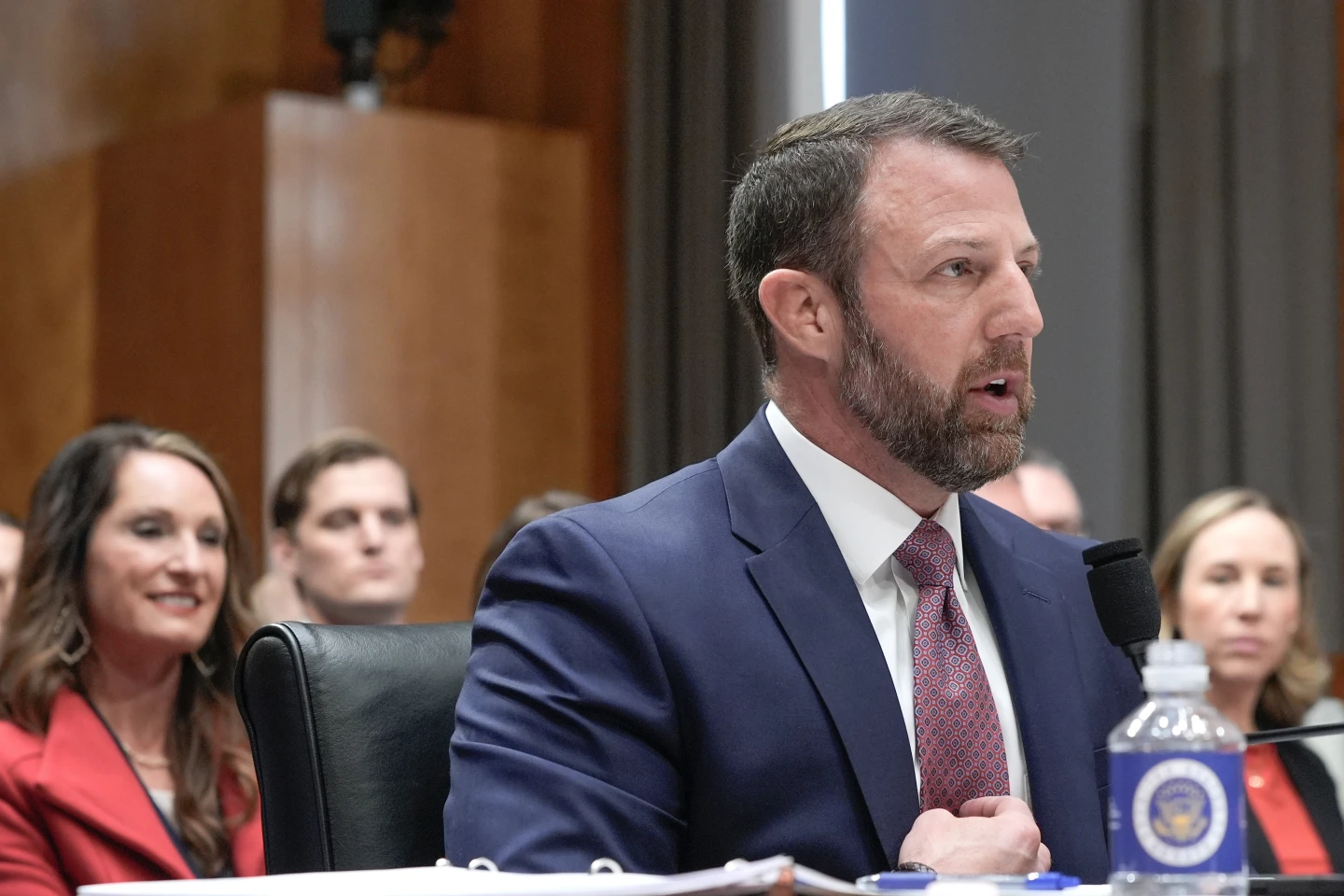
The U.S. Senate is preparing to confirm Senator Markwayne Mullin as the next Homeland Security Secretary, following President Donald Trump's decision to dismiss Kristi Noem due to the backlash over the administration’s immigration enforcement tactics. Mullin, known for his close relationship with Trump, presents himself as a stabilizing force during a challenging period for the department, characterized by funding issues and vital operational overhauls.
During last weekend's Senate session, Mullin's nomination advanced by a narrow party-line vote amid doubts raised about his character and suitability for the role during a heated confirmation hearing. Critics, including from within the Republican party, have expressed skepticism regarding Mullin's capability to navigate the political complexities inherent in immigration policy during a time of heightened scrutiny.
As he steps into this pivotal role, Mullin aims to restore routine funding to the Department of Homeland Security (DHS), which has been impeded since February, while Democratic lawmakers seek to impose stricter regulations on immigration enforcement. His confirmation comes at a time when public support for the administration's immigration agenda has waned significantly.
Immigration Enforcement and Funding Stalemate
One of Mullin's immediate challenges will be to address ongoing funding disputes that have stalled the DHS and led to operational limitations affecting airport security processes. Democrats are insisting on tighter controls over immigration enforcement practices, favoring approaches that prioritize community safety and due process.
Despite previous remarks that raised eyebrows, Mullin has committed to a more comprehensive review of immigration policies, suggesting potential modifications to ICE operational practices. His proposed requirement that ICE agents secure judicial warrants in most cases signifies a notable shift from prior operational standards.
Vision for FEMA in the Wake of Criticism
Moreover, Mullin's leadership will also play a crucial role in reshaping the Federal Emergency Management Agency (FEMA), which has faced scrutiny for its response to recent natural disasters. Advocates, including lawmakers from various parties, have criticized Noem's stringent oversight on disaster aid contracts, prompting calls for a more efficient management structure as the agency approaches recovery from numerous crises.
Mullin has expressed a willingness to reject Noem's contract approval rules and has hinted at adopting a more flexible approach towards disaster response, aiming to eliminate roadblocks previously seen as hampering effective emergency management.
As confirmation approaches, Mullin’s ability to bridge divides within Congress and reshape DHS policies in accordance with public sentiment will be closely monitored, particularly given the backdrop of a politically charged environment and ongoing operational challenges.