In brief
A young influencer in Mexico’s Sinaloa state was fatally shot in the middle of a livestream, a grim reminder of how the drug‑cartel violence extends into the digital realm. With more than 10 content creators killed in recent years, authorities suspect the cartels might be using influencers as brand ambassadors. Though the victim reportedly received no threats, experts warn that flaunting luxury lifestyles online risks attracting cartel retaliation. President Claudia Sheinbaum vows to investigate and dismantle these ties amid a broader push to cut narcoculture from Mexican society.
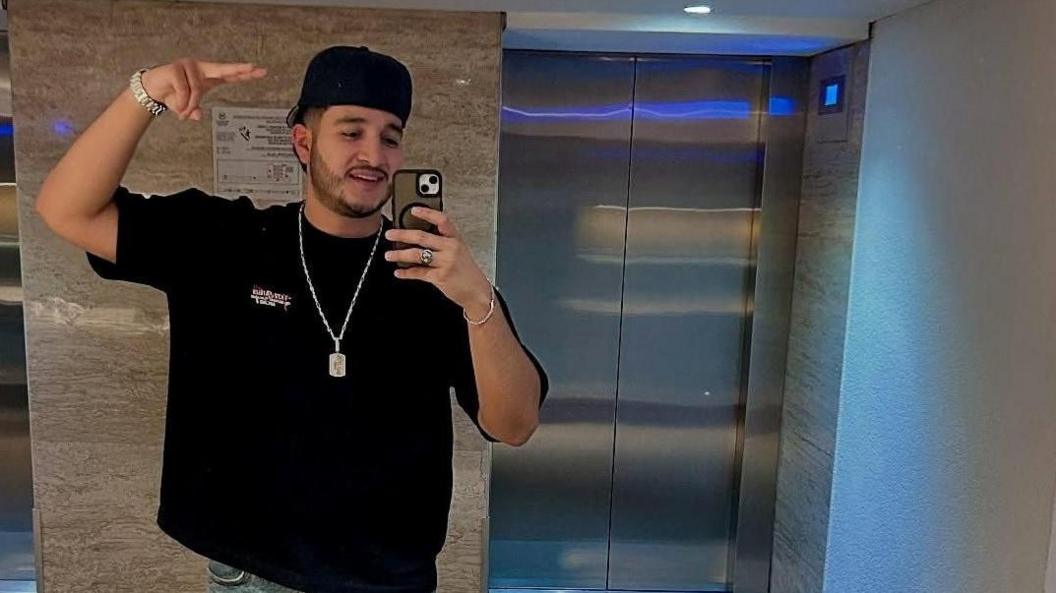
Live footage shows Mexican influencer César Gastélum was shot dead while broadcasting a livestream outside a fast‑food restaurant in Culiacán, Sinaloa state.
Within seconds the killer, riding a motorbike, fired a shot at Gastélum’s head before fleeing. The brutal incident was captured on the influencer’s own feed and instantly shared on social media, leaving followers stunned.
Sinaloa has been a hotbed of cartel warfare for two years, but the death of Gastélum highlights a darker trend: the murder of online personalities. Over ten content creators have been killed in the region since the violent split of the Sinaloa cartel.
The Sinaloa state prosecutor’s office, however, says Gastélum received no criminal threats or police charges before his death. Still, they are investigating posts he made that reference a criminal group, hinting that cartels may be leveraging influencers as community ambassadors.
Communication expert Claudia Arruñada points out how social media algorithms and narco‑culture both glorify lavish lifestyles. She says this marketing “model” can thrust a young public figure into danger when cartels see them as brand ambassadors for rival factions.
In January 2025 leaflets flown over Culiacán name at least 25 influencers and musicians as followers of “La Mayiza,” a Sinaloa cartel faction battling lo en “Los Chapitos.” Four of those named had already been killed, and two more have died since.
President Claudia Sheinbaum has pledged to pursue both the shooters and those who ordered the hit, emphasising a campaign to cut the links between popular culture and the criminal underworld. The government claims a 48% drop in murders for 2025, but events like Gastélum’s killing underline that narcs still wield lethal power, both on the streets and in front of digital feeds.
The livestream of the murder not only shocked the world but also served as a grim reminder that digital fame can be a deadly lure in cartel‑dominated regions.