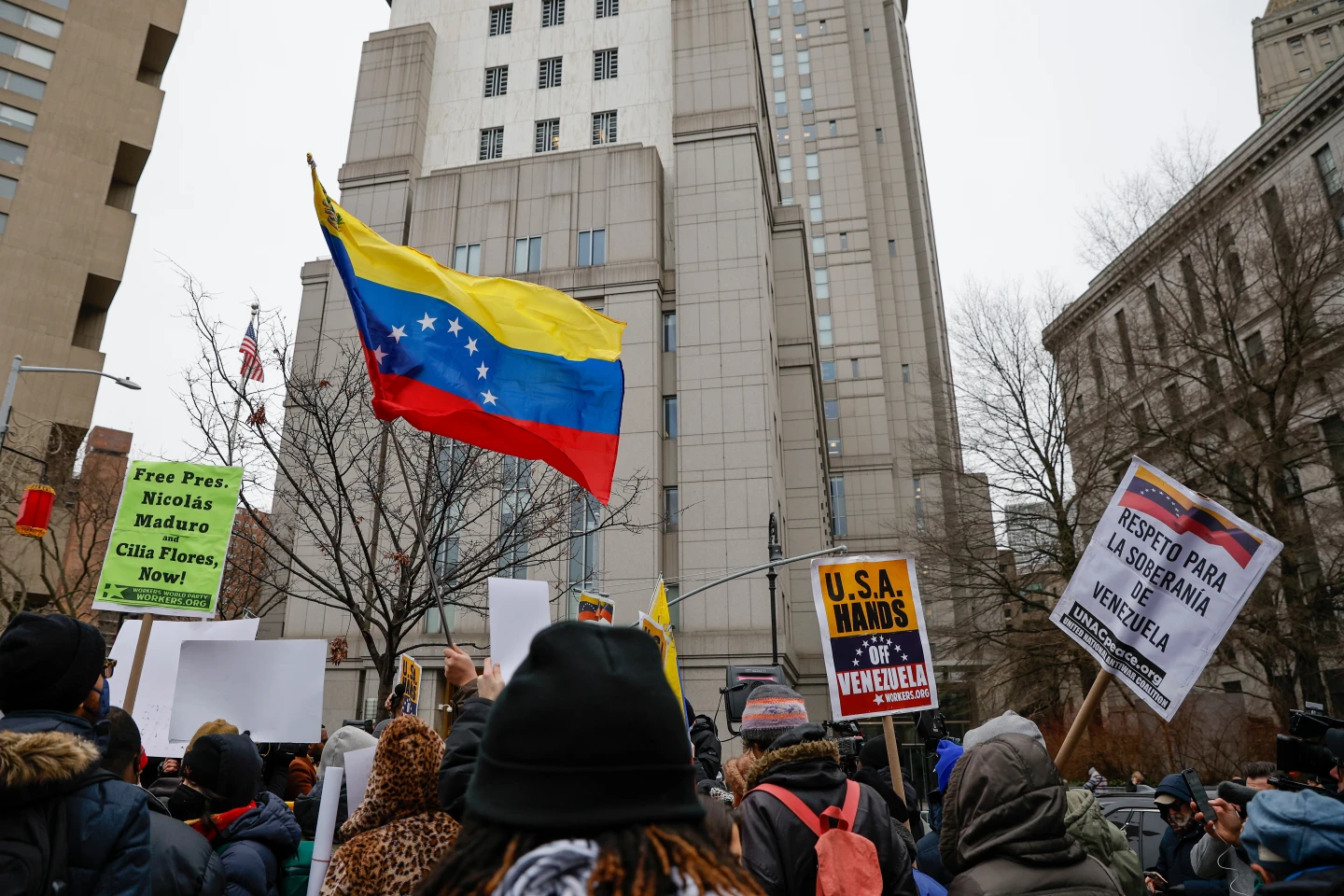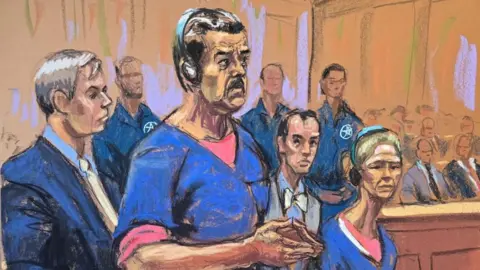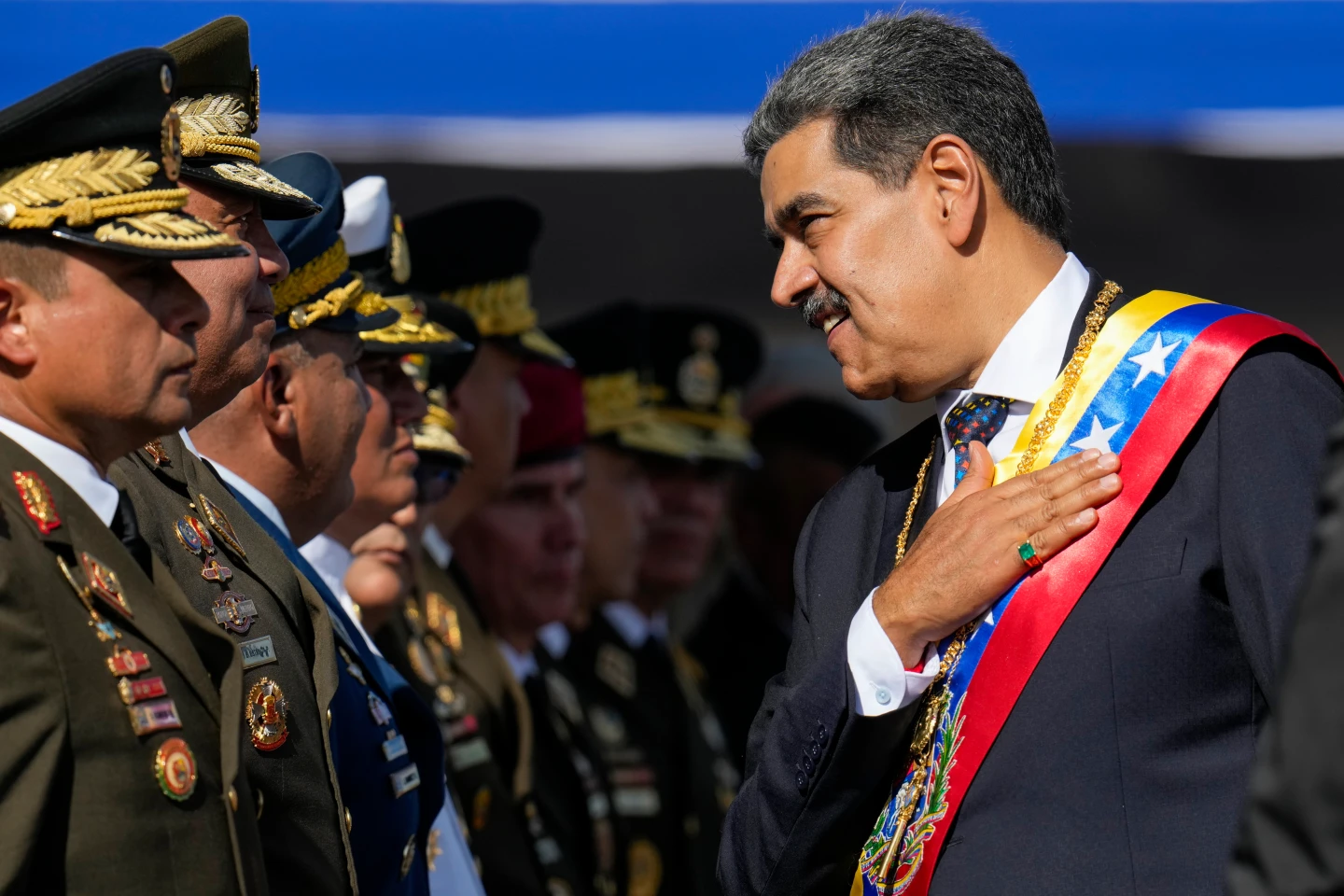
On Monday morning, a handcuffed, jumpsuit-clad Nikolaus Maduro stepped off a military helicopter in New York City, flanked by armed federal agents. The Venezuelan president had spent the night in a notorious federal jail in Brooklyn, before authorities transported him to a Manhattan courthouse to face criminal charges.
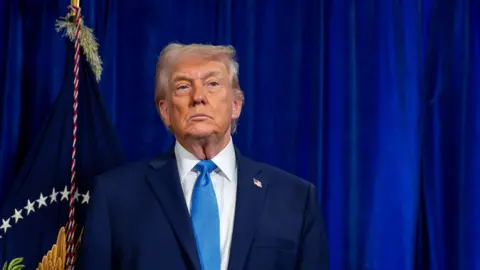
Attorney General Pam Bondi has said Maduro was brought to the U.S. to face justice. But international law experts question the legality of the Trump administration's actions, arguing that the U.S. may have violated international statutes governing the use of force. Domestically, however, the U.S.'s actions fall into a legal gray area that may still result in Maduro standing trial, regardless of the circumstances that brought him there.
The U.S. maintains its actions were legally justified, accusing Maduro of narco-terrorism and facilitating the transport of thousands of tonnes of cocaine to the U.S. Bondi stated, All personnel involved acted professionally, decisively, and in strict accordance with U.S. law and established protocols. However, Maduro has long denied these allegations.
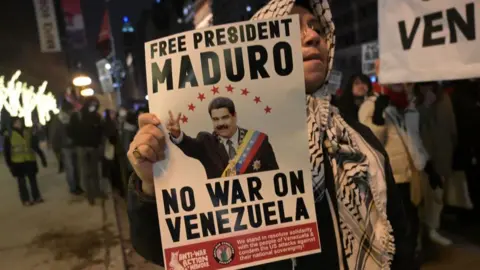
Despite the focus on drug-related charges, the U.S. prosecution of Maduro comes in the wake of broader criticisms of his leadership from the international community. UN investigators cited his government for egregious violations against humanity, and many countries do not recognize him as the legitimate president.
Legal experts assert that conducting a military operation to extract Maduro was illegal under international law. Luke Moffett, a professor at Queen's University Belfast, emphasized, A country cannot go into another foreign country and arrest people, underscoring the importance of due process through extradition.
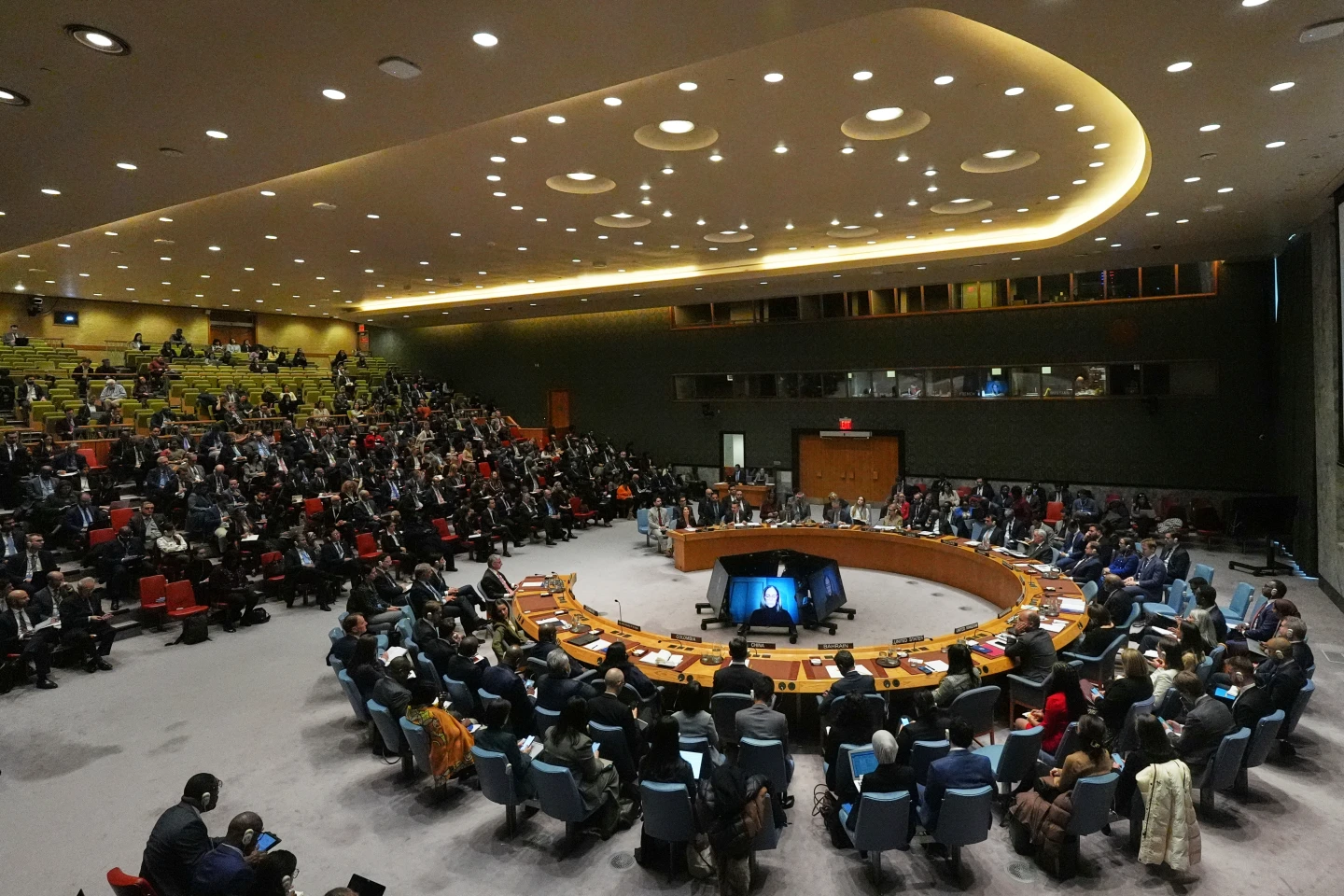
The UN Charter prohibits threats or use of force against other states, allowing such actions in self-defense or with Security Council approval, which the U.S. did not secure in this case.
As the prosecution unfolds, Maduro's defense team plans to challenge the legality of his capture, with potential implications for international law and U.S. legal precedence regarding sovereignty and extradition.