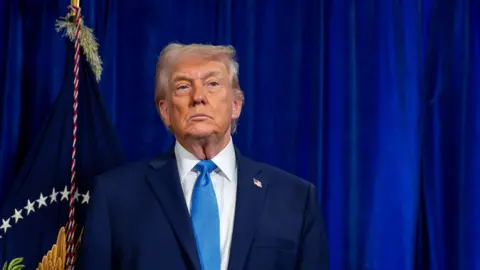
With the seizure of Venezuelan leader Nicolás Maduro, Donald Trump has demonstrated more powerfully than ever his belief in the power of his will, backed by raw US military force. On his orders, the US has Maduro behind bars and now will run Venezuela.
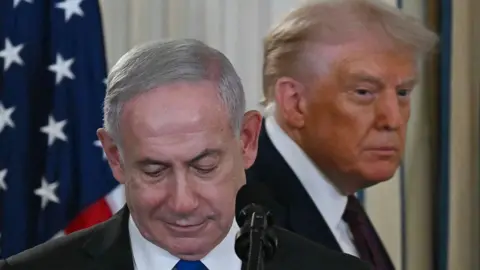
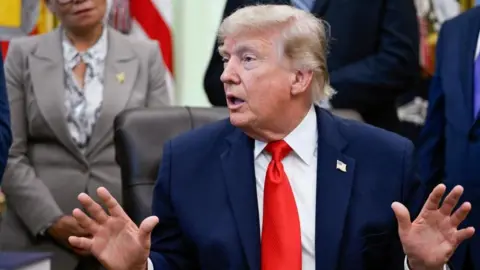
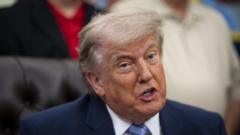
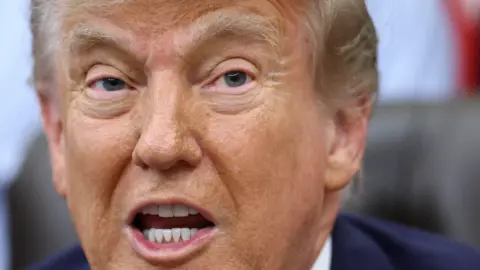
The US president made the announcement in a remarkable news conference with enormous implications for US foreign policy worldwide at his Florida club and residence, Mar-a-Lago. Trump said the US would be in charge in Venezuela until such time as we can do a safe, proper and judicious transition.
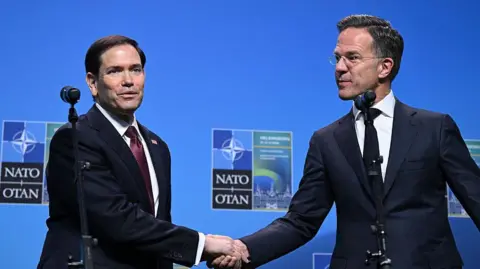
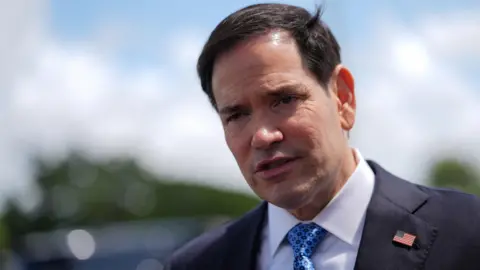
US Secretary of State Marco Rubio, he said, had spoken to the Venezuelan Vice-President Delcy Rodríguez, who had told him we'll do whatever you need... She, I think, was quite gracious, but she really doesn't have a choice.
Trump was light on detail. He said that we're not afraid of boots on the ground if we have to have [them].
But does he believe that he can govern Venezuela by remote control? Will this demonstration that he will back words with military action, praised lavishly at Mar-a-Lago by both Marco Rubio and the US Secretary of Defence Pete Hegseth, be enough to reshape Venezuela and browbeat Latin American leaders into compliance? It sounded as if he believes something like that.
The evidence is that it will not be easy or smooth. The respected think tank, the International Crisis Group, warned in October that the fall of Maduro could lead to violence and instability in Venezuela. The same month The New York Times reported that defence and diplomatic officials in the first Trump administration had war-gamed what might happen if Maduro fell. Their conclusion was the prospect of violent chaos as armed factions competed for power.
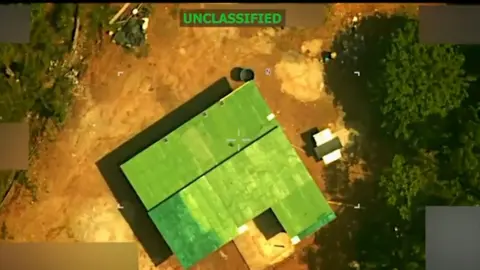
The removal and incarceration of Nicolás Maduro is a remarkable assertion of American military power. The US assembled a massive armada and achieved its goal without losing a single American life.
Maduro had ignored the will of the Venezuelan people by sweeping aside his own electoral defeat and without question, his departure will be welcomed by many of its citizens. But the implications of the US action will reverberate forward, way beyond Venezuela's borders.
The mood at the Mar-a-Lago news conference was triumphalist, celebrating what was undoubtedly a textbook operation carried out by highly professional US forces. The military operation is only the first stage. America's record of achieving regime change by force in the last 30 years is disastrous. The political follow-up is what makes or breaks the process.
Trump talked of making Venezuela great again, but not about democracy. He dismissed the idea that the Venezuelan opposition leader María Corina Machado, who won the 2025 Nobel Peace Prize, should lead the country.
His actions signal a shift in how the US may engage with other nations within its sphere of influence. Critics fear that this could set a precedent for authoritarian regimes to justify similar interventions based on perceived threats.
As the global community watches, Trump's declaration could lead to increased tensions with nations like China and Russia, who may interpret these actions as an opportunity to assert their own military influence.