In brief
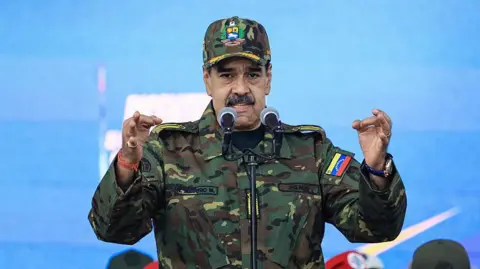
In a newly escalated diplomatic crisis, the US's military action to oust Nicolás Maduro has sparked condemnation from both friendly and unfriendly nations during a UN Security Council meeting. While many agree on Maduro's repressive regime, the legality of the US intervention has raised serious questions, with strong objections from allies such as France and Denmark, as well as non-Western nations like Russia and China. The repercussions for international law and diplomatic relations are profound as global leaders navigate this precarious situation.
The US seizing of Venezuela's leader has faced strong criticism from both America's friends and foes at an emergency meeting of the United Nations Security Council.
Many member states agreed with the US that Nicolás Maduro had been an illegitimate and repressive leader. However, many also condemned the US military action as a breach of international law and the UN Charter, demanding a democratic transition reflecting the will of the Venezuelan people.
Among US allies, France was by far the most outspoken. The deputy ambassador, Jay Dharmadhikari, stated that Maduro's taking by the US runs counter to the principle of peaceful dispute resolution and runs counter to the principle of the non-use of force.
He expressed concern about how violations of international law and the UN Charter could destabilize the foundation of the international order, urging respect for states' independence and territorial integrity.
Denmark's deputy UN ambassador, Sandra Jensen Landi, also voiced her country's deep concern, stating these developments pose a dangerous precedent. Both France and Denmark's statements signify a significant shift in European criticism of the Maduro seizing. In contrast, UK and Greek diplomats did not openly condemn the US military operation.
Ambassadors from Panama and Colombia articulated their concerns over US plans to work with the current regime without engaging the opposition or conducting fresh elections, with calls for a genuine democratic transition.
Russia's ambassador criticized the US's actions as international banditry and neo-colonialism., while China's Chargé d'Affaires strongly condemned the unilateral, illegal and bullying acts of the US.
UN Secretary General Antonio Guterres stressed that the importance of adhering to international law must prevail in these matters.
The acting UK ambassador, James Kariuki, addressed the need for a safe transition to a legitimate government without specifying his government's stance on the US action.
As European nations grapple with this dilemma, they balance the principles of the UN Charter against the realities of diplomatic relations with the US, amid fears of undermining their own security commitments.
With the global landscape shifting, this incident may catalyze a reevaluation of Europe’s role in ensuring its security and adherence to international law.