In brief
In Kerala, the fastest‑aging state in India, many elderly people live alone as their children work abroad. The state government has created a dedicated department for elderly welfare, the first of its kind in India, to bring together pensions, palliative care and new community programs. Plans include expanding home‑based care, social‑prescribing activities, certified caregiver training, elderly parks and day‑care centres. Experts say the initiative must pair public policy with a regulated private care market and robust funding to really support seniors who cannot rely on distant family members.
Kerala’s New Elderly Welfare Hubs Aimed at Halting Loneliness
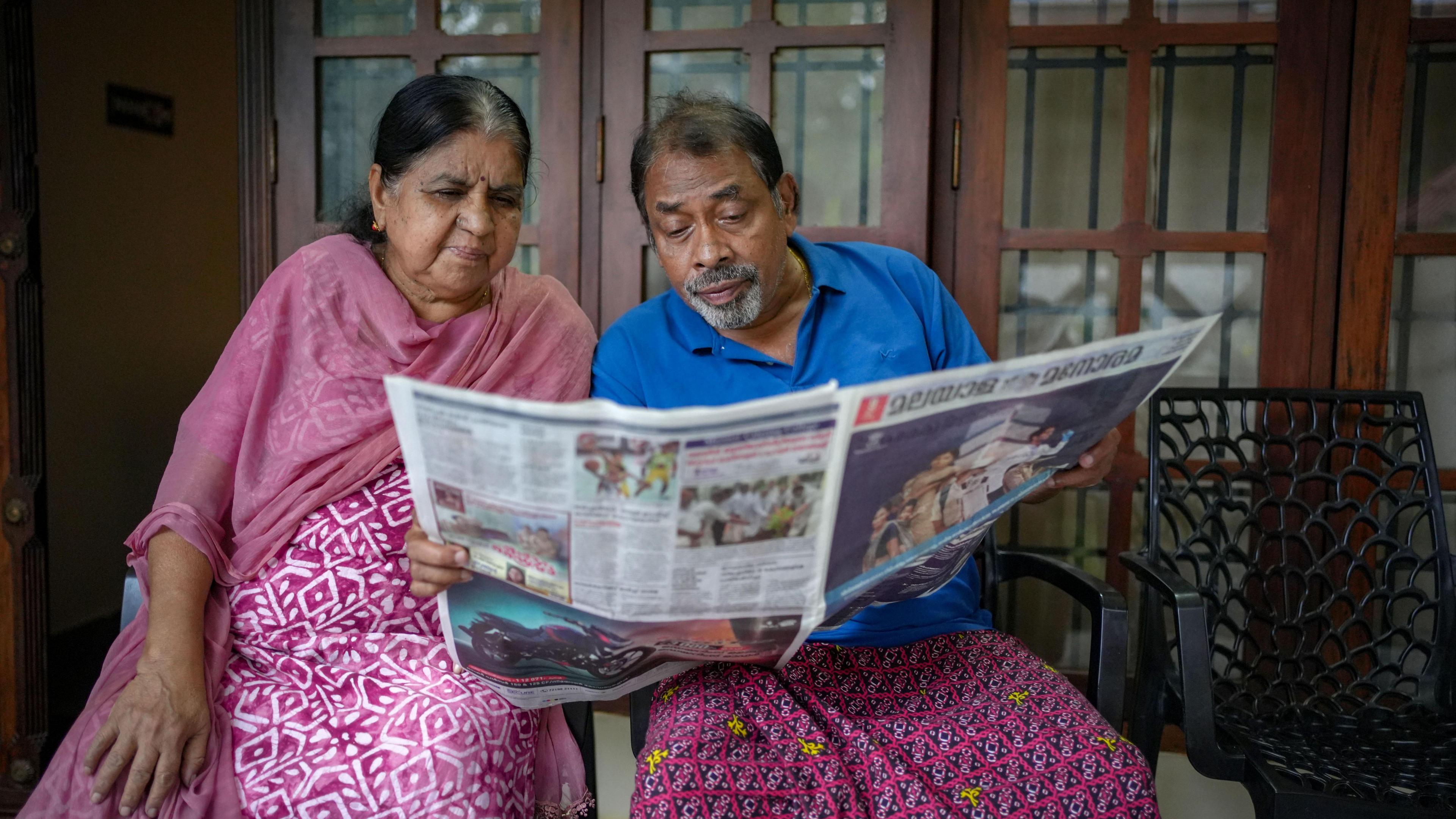
In Kerala, a 70‑year‑old named TO Dominic starts each day with a call to his sons who live overseas. The calls are comforting but cannot replace the in‑person help his wife, MJ Martha, needs.
Migration has turned the state’s elder care model on its head: children leave for jobs far away, leaving parents to fend for themselves. With the quickest ageing demographic in India, the problem threatens to spread beyond Kerala.
To tackle this, Kerala has announced a dedicated department for elderly welfare – the first time any Indian state has put a single bureaucratic body in charge of senior care. The department focuses on "ageing in place," keeping older people in their homes and communities rather than institutions.
Its plans feature expanding community and home‑based caring models, social programmes that connect older people to meaningful activities, and a certified caregiver training scheme. The aim is a public‑private grid of support that also includes day‑care centres, fitness hubs and dedicated elderly parks.
Dr Rathan Kelkar, head of the department, says the scheme must reach beyond pensions. The policy, he notes, spreads across health, transport, housing and digital services so seniors do not feel invisible or abandoned.
However, the budget for elderly welfare sat at 100 million rupees this year – a figure some experts argue is merely symbolic. Kelkar claims the money will build coordination capacity and pilot projects, but the state will still need a robust private market to fill gaps where public rollout lags.
Senior care specialists worry that without regulated private services, the new department’s impact could be limited. Srinivasan Govindaraj, CEO of Athulya Seniorcare, notes that many small providers lack uniform standards, making it hard for families to trust quality care.
MSR Dev, an 82‑year‑old retired scientist from Kerala, points to Sweden’s model of community support for older people. He stresses that, beyond food and health, seniors need places where they can connect socially.
Back in their home, Dominic and Martha rely on neighbours for everyday help. Their wish is simple – a call to someone who can physically arrive when they need assistance, especially during emergencies or odd nights when medical care seems impossible.