In brief
In a recent sandstorm that swept across Iraq, thousands faced respiratory problems while flights were suspended. Experts warn that these storms are on the rise, exacerbated by climate change and severe drought conditions.
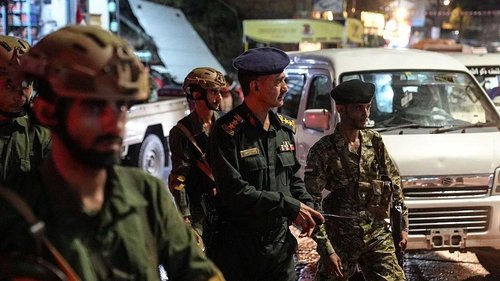
A severe sandstorm swept through central and southern Iraq over the last two days, dramatically affecting visibility and throwing many into emergency rooms with respiratory complications. The storm cast an unsettling orange hue over the skies, reducing visibility to less than half a mile in some areas. As a result, two airports halted flights and highways in Basra, Iraq’s largest city in the south, were nearly deserted amid the whipping winds.Meteorology spokesman Amir al-Jabri attributed the intense dust waves to a combination of Morocco and eastern Saudi Arabia's desert origins, which picked up extra particles as they crossed southwestern Iraq. Though sandstorms are typically a part of Iraq’s winter and early spring climate, experts indicate that the frequency and severity of such events have intensified due to escalating droughts and desert encroachment.This storm marked one of the worst occurrences in Iraq this year, following a similar event that crippled Baghdad in December. In 2022, residents experienced several major storms, underscoring a troubling trend. According to UN data, Iraq ranks as the fifth most vulnerable nation to climate change, particularly regarding rising temperatures and water scarcity.Although conditions showed signs of improvement with the storm easing by Tuesday, southern Iraq was still grappling with sweltering temperatures exceeding 100 degrees Fahrenheit before the storm provided some temporary respite from the sun.Throughout the chaos, citizens took precautions by wearing face masks, particularly emergency workers and police officers. The pervasive sand and dust infiltrated homes and vehicles alike, creating challenges for regular activities such as using computers, compelling most to remain indoors.Iraq’s health ministry reported nearly 3,750 patients dealt with respiratory distress due to the hazardous conditions, with more than 1,000 of these cases arising in Basra alone and around 451 in the smaller city of Najaf. Muthanna Province, bordering Saudi Arabia, also saw significant respiratory issues. Fortunately, most of the treated individuals have since been released.Moreover, the Basra police department issued guidance to families, urging them to comfort young children frightened by the ominous sounds associated with the storm to ensure they could sleep peacefully.