The U.S. Justice Department is seeking the dismissal of a lawsuit filed by former federal prosecutor Maurene Comey, asserting that she failed to follow proper administrative complaint procedures prior to initiating her legal action.
This argument is outlined in court documents submitted to a Manhattan federal court ahead of a hearing scheduled for Thursday.
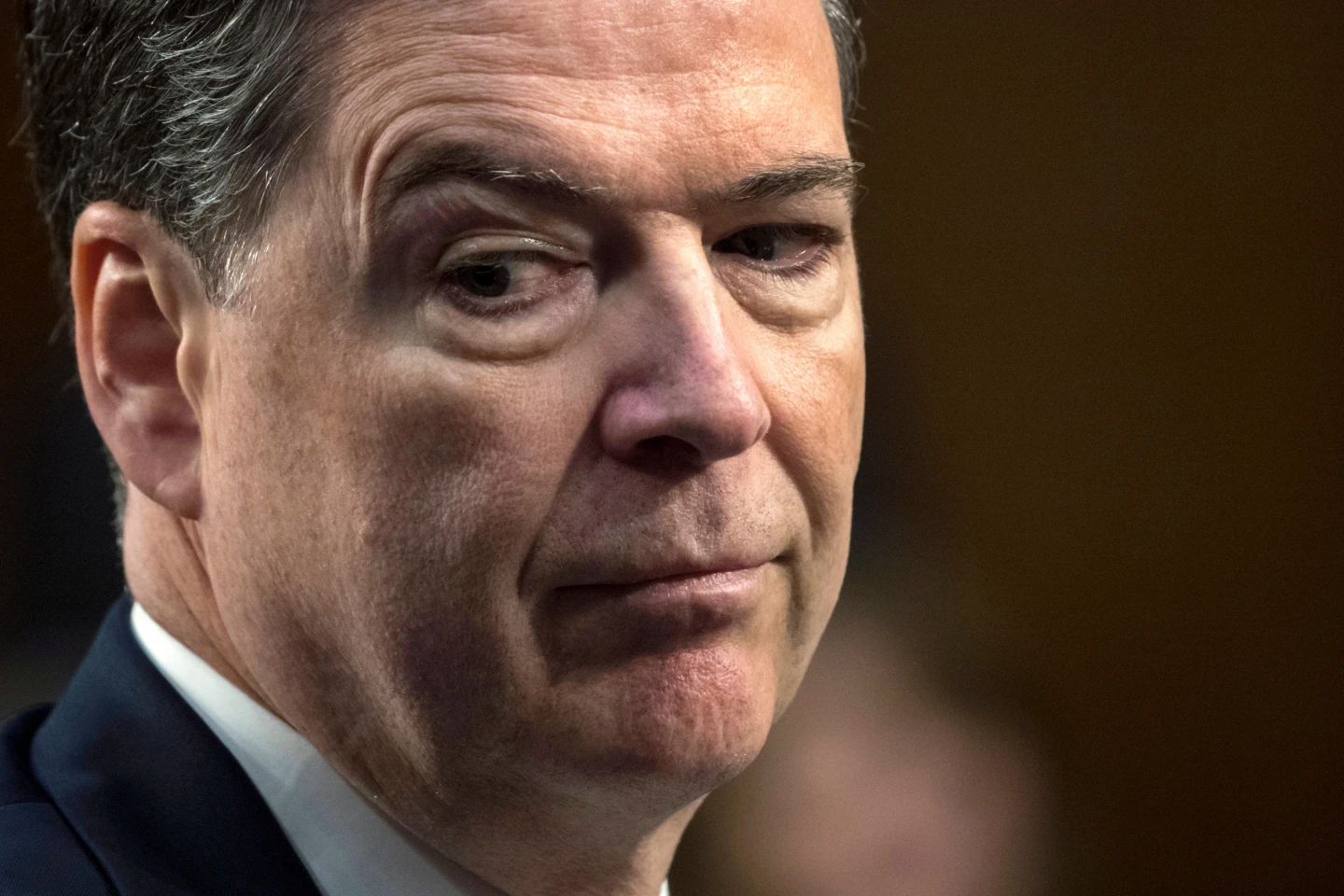
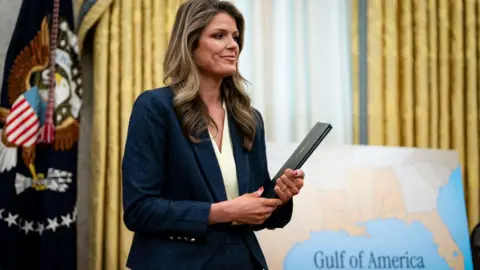
In her September lawsuit, Comey named several parties, including the Justice Department, the Executive Office of the President, U.S. Attorney General Pamela Bondi, and the Office of Personnel Management. She claims that her termination in July was motivated by political reasons, particularly due to her father, James Comey, a former FBI Director who was fired by President Donald Trump in 2017.
The Justice Department's legal papers, presented in a joint letter from both Comey's lawyers and the chief of the civil division in Albany's federal prosecutor's office, state that Comey did not adequately present her case to the Merit Systems Protection Board before pursuing her lawsuit. They contend that her assertion that her appeal to the board was futile is incorrect.
The Department emphasized that the board is the proper venue to assess whether Comey's dismissal constituted a prohibited personnel action or an arbitrary agency decision.
Comey’s attorneys contest this argument, asserting that the board lacks the competence to handle the complex constitutional issues raised in the case, which pertain to the separation of powers. They also claimed that it is no longer the case that the board operates independently of the President.
The Department has noted that U.S. Attorney John Sarcone in Albany assumed the case after prior prosecutors recused themselves from cases where Comey had secured significant convictions, such as against Ghislaine Maxwell for sex trafficking and former U.S. Senator Bob Menendez on bribery charges.
Two weeks prior to her dismissal, Comey was involved in the prosecution against music mogul Sean Combs, who was convicted on prostitution-related charges.
The developments in Comey’s case further complicate ongoing discussions regarding political influences and legal accountability within federal prosecutorial practices.