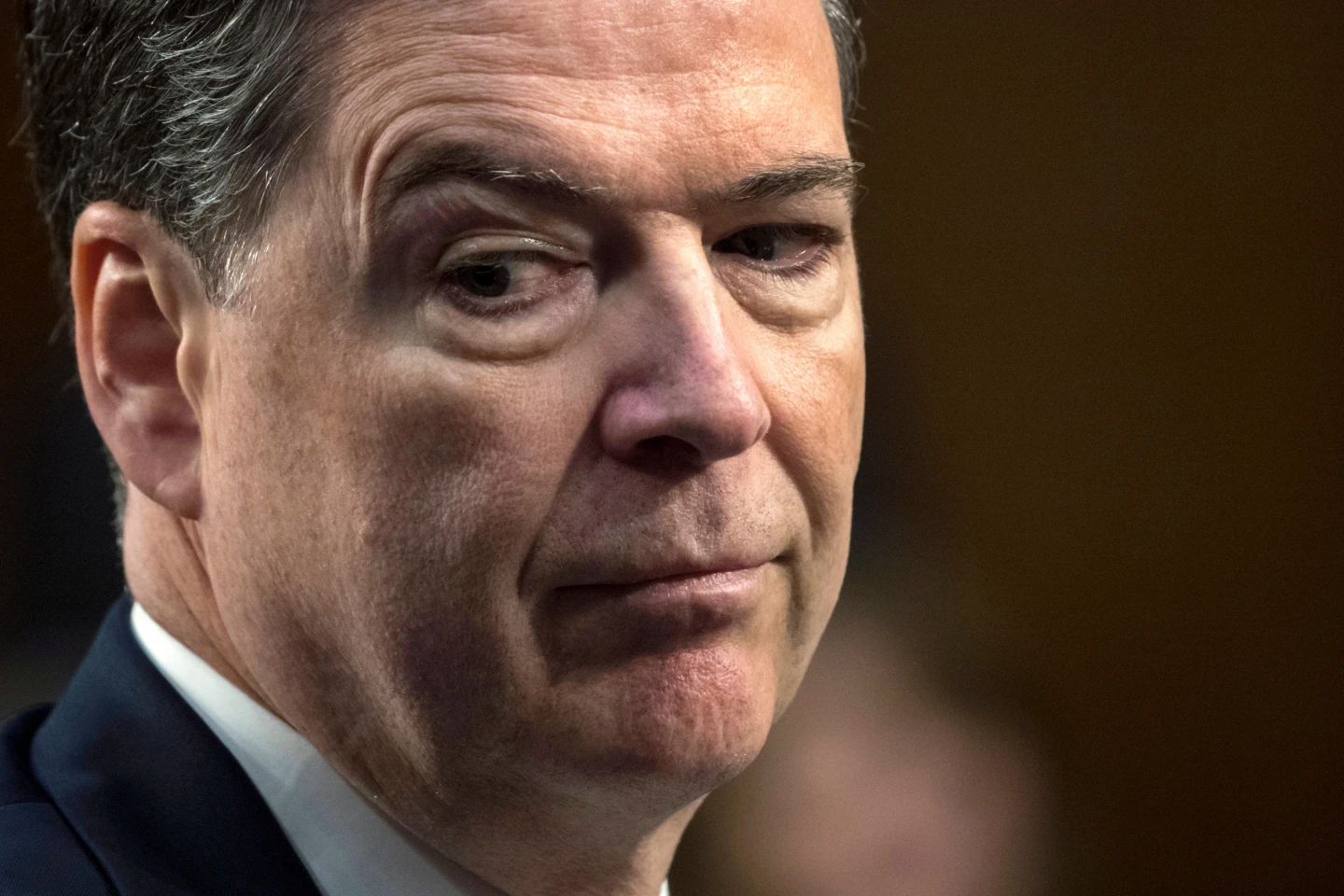
After a federal judge dismissed criminal cases against former FBI Director James Comey and New York Attorney General Letitia James, the Justice Department has announced intentions to appeal the rulings. These decisions arose from questions regarding the legality of the temporary appointment of interim U.S Attorney Lindsey Halligan, which were deemed improper by the judge.
According to the judge, Halligan’s appointment violated federal law asshe replaced an interim attorney who had served beyond the lawful time limit, thus invalidating the indictments secured under her oversight. This could delay any potential indictments or re-filing by the DOJ as legal discussions intensify.
As the appeals process unfolds, legal experts are pondering the broader implications these cases hold for the Justice Department's appointment authority and the ability to retry come challenging political climates, particularly given the high-profile nature of the defendants.
Legal controversies surrounding Comey include accusations of lying to Congress, while James is facing charges related to bank fraud. Both have pleaded not guilty, asserting that the charges are politically motivated. The question remains how the DOJ will navigate potential new indictments amidst the scrutiny of past legal controversies and the public's eye.
The Justice Department faces significant hurdles, notably concerning the statute of limitations for Comey's case. As the legal landscape evolves, the outcomes will not only affect the individuals involved but may also set vital precedents for the management of politically fraught legal challenges in the future.