In brief
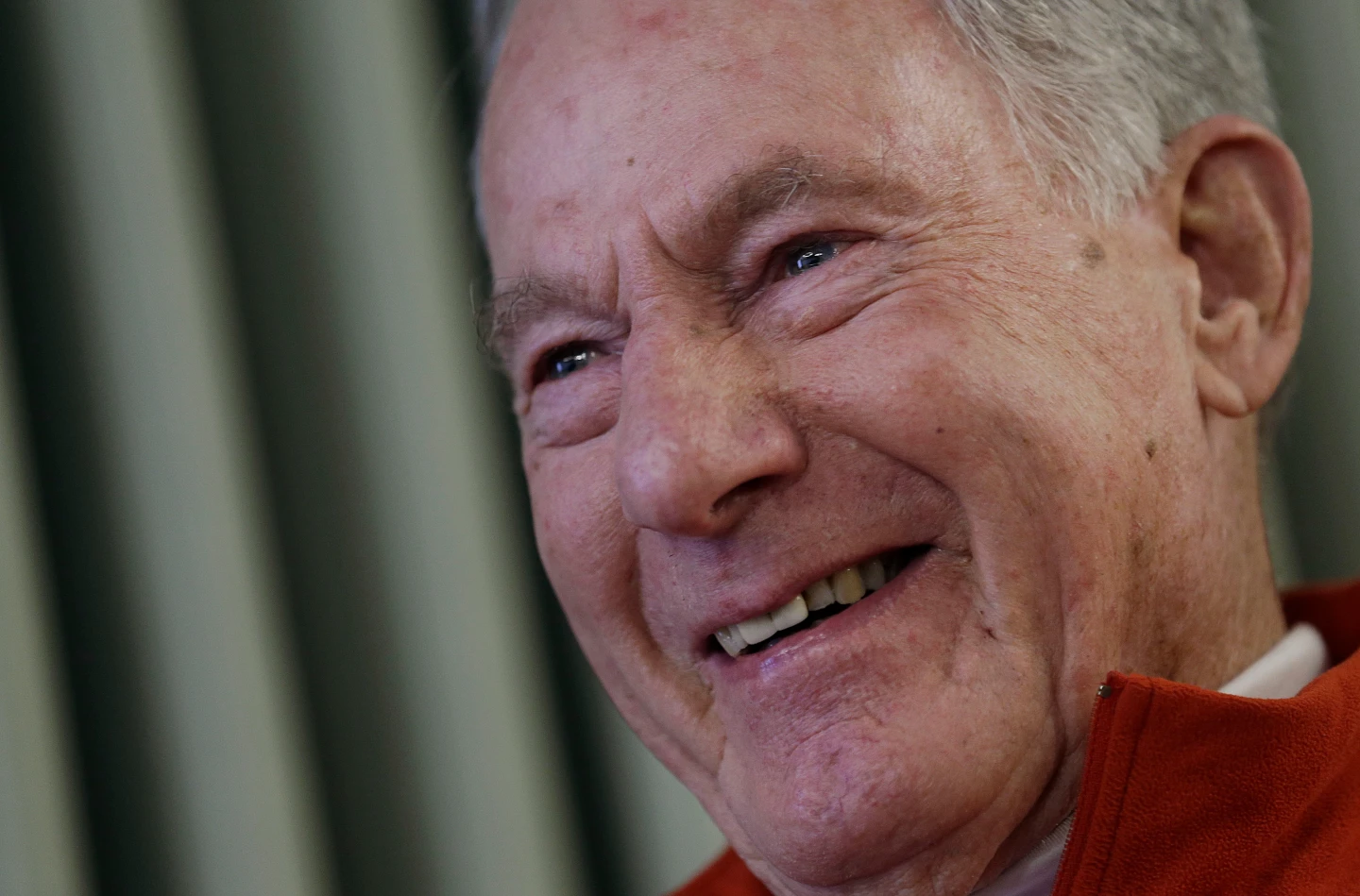
Jim Whittaker, who made history in 1963 as the first American to reach the summit of Mount Everest, has passed away at 97. His accomplishments elevated him to celebrity status, and he became a friend to notable figures like Robert Kennedy. Whittaker's passion for climbing began in his youth and defined his life, filled with challenges and triumphs. He often reflected on the spiritual connection to nature his climbs offered.
SEATTLE (AP) — Jim Whittaker, who in 1963 became the first American to reach the top of Mount Everest, has died. He was 97. Whittaker’s 1963 ascent to the summit of Mount Everest came 10 years after Sir Edmund Hilary and Tenzing Norgay first scaled the peak. Whittaker died Tuesday at his home in Port Townsend, Washington, according to a statement from his family.His Mount Everest feat made the once-shy, rangy climber an instant celebrity, in demand for public appearances and expected to lend his support to good causes. His achievement gained him access to the world of celebrities, including the inner circles of the Kennedy clan. He became a close friend of Robert Kennedy, with whom he climbed a 14,000-foot (4,267 meters) Canadian peak named Mount Kennedy after the 1968 presidential contender’s assassination.Whittaker, who had been state chairman for Kennedy’s campaign, was devastated by his death. Bobby Kennedy was 'one of the grittiest little guys you’ve ever seen,' the 6-foot-5 Whittaker once remarked. 'It’s not how big you are but how tight you are wound that counts.' Whittaker’s career on the mountain slopes began when he took on Washington’s Olympic Mountains as a Boy Scout, and he once reflected that the beauty and danger of his sport sharpened the senses.He shared his view on life in nature, stating, 'You’re in nature, participating in God’s creation ... it’s such a high, such a spiritual thing.' His achievements on Mount Everest and K2 assured him a place in climbing history, and he shared world-class climber status with his identical twin, Lou, who led the first American expedition to scale Everest’s north face.One of his proudest moments came in 1981 when he led 10 handicapped climbers up Mount Rainier, emphasizing that for them, 'that was Mount Everest.' Whittaker scaled Mount Rainier over 100 times, always respecting its capricious weather. After years of climbing, he expressed a desire to 'die in my sleep with the television on.' In recent years, he resisted proposals for mandatory electronic locators for climbers, arguing it detracted from the adventure and personal liberty of climbing. 'If you take all of the risk out of life, you lose a lot,' Whittaker stated.