In brief
Japan has executed Sunao Takami, the 58‑year‑old convicted of a 2009 pachinko parlour fire that killed five people. His death sentence, handed down in 2011, sparked debate over the death penalty’s use in the country. Japan and the United States are the only G7 nations still practicing capital punishment, with death‑row inmates notified of execution just hours in advance. Rights groups criticize the lack of transparency and the solitary confinement of inmates. The execution marks the first under Prime Minister Takaichi’s administration.
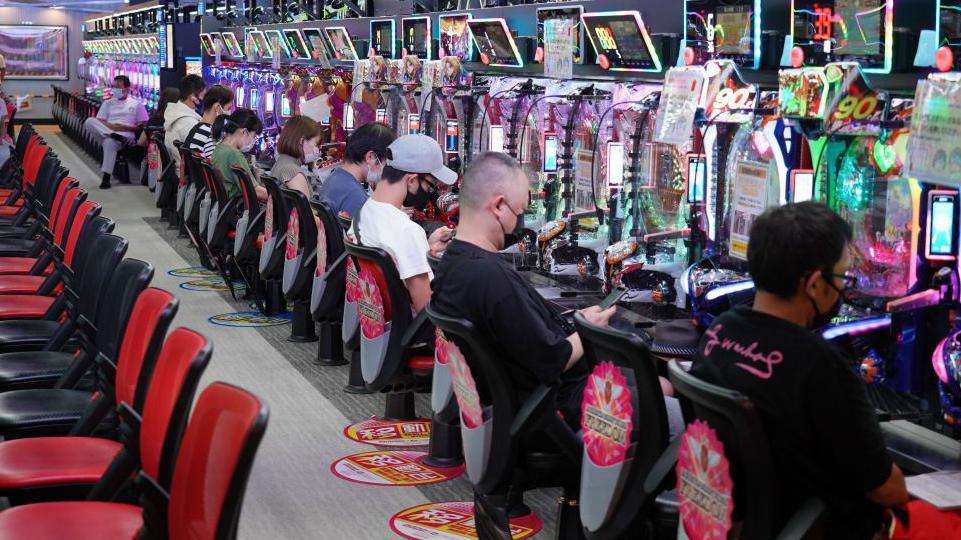
Japan has carried out the first execution in more than a year, sentencing Sunao Takami, 58, to death for the 2009 fire that killed five people at a pachinko gaming parlour in Osaka.
Takami set the gaming parlour ablaze with gasoline, causing the deaths of four customers and one employee. A six‑member jury and a panel of three judges rejected a defence of mental illness, sentencing him to hang in 2011.
Japan and the United States remain the only G7 countries that retain capital punishment, with death‑row inmates in Japan typically notified of a hanging only hours before the execution. Justice Minister Hiroshi Hiraguchi said the order for execution was made “after careful and thorough consideration.”
This execution is the first under Prime Minister Takaichi’s administration. Last year, Japan executed a “Twitter killer” who murdered nine people in 2017. Surveys suggest strong public support for the death penalty in Japan, but rights groups criticize long solitary confinement for inmates and a lack of transparency about execution timings.