In brief
Alberta’s referendum on independence saw a decisive majority vote to stay in Canada, sending a clear message to Ottawa. Prime Minister Mark Carney, a native Albertan, used the result to bolster his position against U.S. President Donald Trump, promising to keep “ice hockey” and the national anthem for Canadians. The poll‑boosted leader also highlighted future plans for a trans‑Pacific oil pipeline, further tightening ties with other global markets. Meanwhile, the vote brings new scrutiny to Alberta’s economic dependence on the United States and the broader stability of Canada’s federation.
In the early hours of the day, residents of Alberta voted in a referendum pitting the country’s unity against a drive for independence. More than 70 percent said they wished to remain part of Canada, a decision that reverberated across the nation.
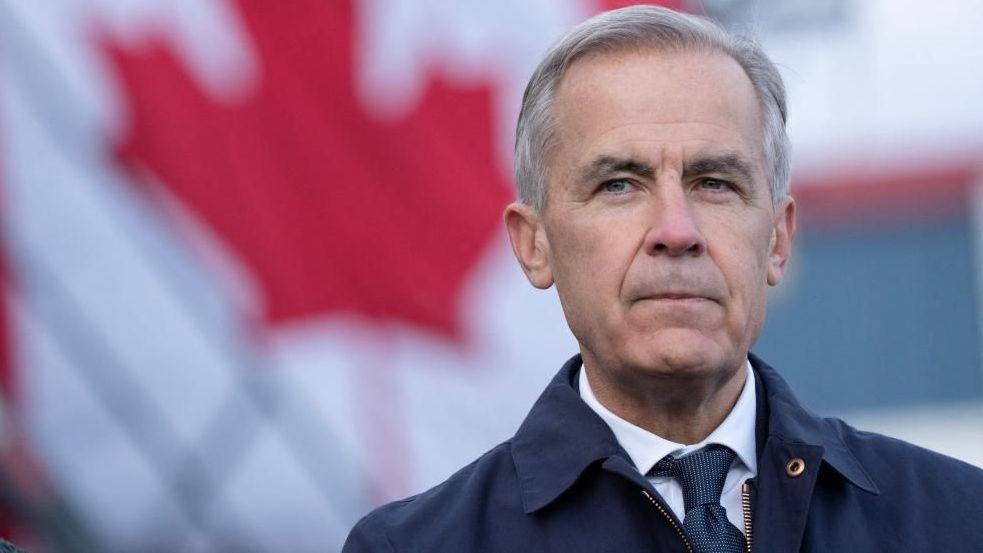
Prime Minister Mark Carney, an Albertan by birth, seized the moment on a Calgary stage draped in “Forever Canadian” banners. “Vote like Canada depends on it,” he urged, a line that echoed across the province’s red‑white crowds and brought the referendum to the national conversation.
Carney’s response has sharpened his posture against U.S. President Donald Trump, who, at a Kansas rally, teased that Canada would lose its “ice hockey” and national anthem—a banter no Canada was willing to take lightly.
Beyond rhetoric, the result frees Carney to push ambitious projects such as a pipeline to the Pacific coast that would open Alberta’s oil to Asian markets and lessen dependence on the United States. The move is framed as a win for Canadians’ economic future, even as critics point out the cost and regulatory headwinds.
Alberta’s leader, former Minister of Finance Thomas Lukaszuk, used the decisive vote as evidence that “the message to the rest of the world is very strong.” He warned that the territory’s “yes” would send a note to Washington and “keep Canada united.”
Political observers say Carney’s popularity surge in a province that normally leans against the Liberal party could reshape federal politics. Yet the next steps will depend on outcomes from the referendum’s nine other questions, covering everything from immigration to provincial powers.
The result also feeds into Canada’s larger discussion on trade and international alliances. Carney’s earlier promise to eschew ongoing trade talks with the United States has changed the conversation on national resilience and economic strategy.
For Canada, the day was a reminder that unity can be politically lucrative and, perhaps, historically pivotal. The story continues as the federal government contemplates how best to pour the province’s wealth into the broader Canadian experiment.